Dhangadhi Sub-Metropolis Approves Bills to Preserve Tharu and RanaTharu Community Practices

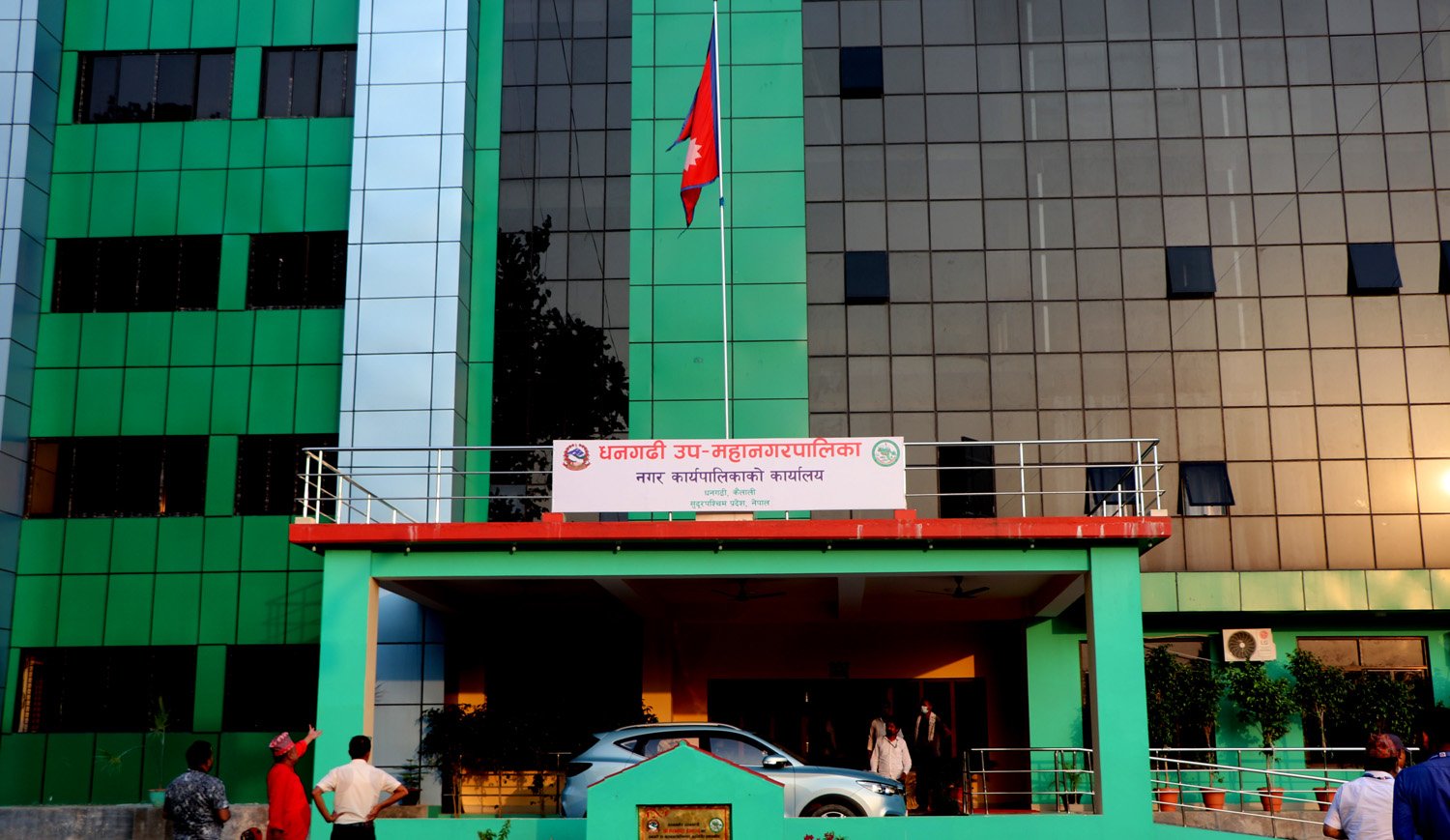
Kailali. Dhangadhi Sub-Metropolitan City has unanimously approved the 'Bill to Make Provisions for the Preservation and Development of the Bhalmansa System of the Tharu Community, 2083' and the 'Bill to Make Provisions for the Preservation and Development of the Padhan and Bhalmansa System of the RanaTharu Community, 2083'.
The 15th Municipal Assembly of the Sub-Metropolitan City has unanimously approved the said bills for the preservation, promotion, and development of the traditional social institutions of the Tharu and RanaTharu communities. Deputy Mayor of the Sub-Metropolitan City, Kandakala Rana, informed that with the approval of both bills presented at the Municipal Assembly held on Sunday, a legal basis has been created at the local level for the preservation, documentation, promotion, and development of the Bhalmansa and Padhan systems traditionally practiced in the Tharu and RanaTharu communities.
It has been stated that the Bhalmansa and Padhan systems traditionally prevalent in these two communities have remained as important traditional institutional practices for community organization, social harmony, justice delivery, development construction, cultural preservation, and societal operation.
The Sub-Metropolitan City has stated that the bill has been brought with the objective of preserving and promoting such traditional social institutions and operating them in coordination with the local governance system.
Deputy Mayor Rana stated that the bill has made provisions for the documentation, preservation, promotion, development, and encouragement of the practice of the Bhalmansa and Padhan systems.
The bill is also expected to help in the implementation of the state's responsibility to preserve and promote the cultural rights, traditional knowledge, skills, practices, and institutional structures of indigenous peoples as ensured by the Constitution of Nepal.
The Sub-Metropolitan City has expressed confidence that through the new law, it will preserve the cultural heritage of these communities and make traditional social institutions more effective by connecting them with local governance and development processes.
This specific news has been automatically translated by AI. As a result, there may be some inaccuracies or language errors.


_so9lgrslkw_qKXBGH7kYu.jpg)