China Imposes New Export Controls on 10 US Companies Amid Tech and Defense Rivalry
Kathmandu. Amidst growing competition between America and China in the technology and defense sectors, Beijing has announced new export controls on 10 American companies. China has taken retaliatory restrictive measures targeting American companies involved in defense and rare earth minerals in response to Washington blacklisting Chinese companies.
A statement issued by China's Ministry of Commerce on Monday stated that new export controls have been implemented in response to the US government's move to include Chinese companies in the so-called 'Chinese Military Enterprise List'. According to the ministry, this decision was deemed necessary for the protection of national security.
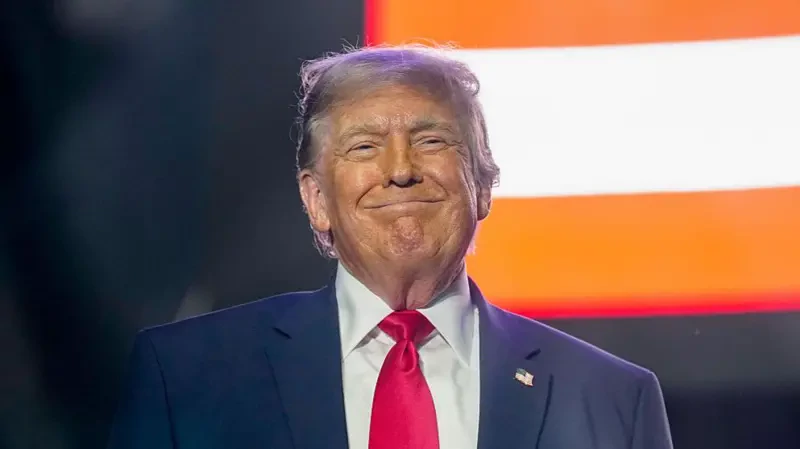
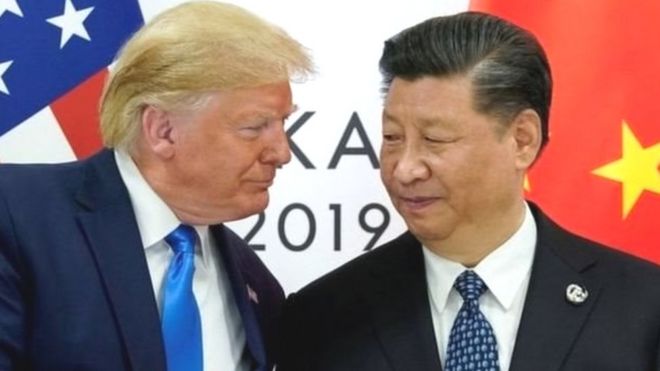
This move has created new tensions a month after US President Donald Trump sought to improve relations following his meeting with Chinese President Xi Jinping. Although both countries have agreed to reduce trade tariffs, disputes in the technology, defense, and security sectors continue to escalate.
Earlier this month, the US blacklisted 80 Chinese companies and their subsidiaries, accusing them of having ties to the Chinese military. China had signaled its intention to take retaliatory action after this list included tech companies Alibaba and Baidu, as well as electric vehicle manufacturer BYD.
Companies banned by China include Aviox and Oshkosh Defense, which are associated with the US defense and aerospace sectors. Oshkosh Defense is a company involved in the production of US military vehicles, while Aviox has defense contracts with the US military.
Similarly, US rare earth mineral producers MP Materials and USA Rare Earth are also on the new list. China has banned the export of dual-use goods and materials to the listed entities.
The Ministry of Commerce has directed to immediately halt all export activities related to the companies on the list. The ministry also stated that it is prohibited to provide dual-use materials produced in China to these companies through entities and individuals from any country or region.
Meanwhile, China's Ministry of Finance has announced a ban on government agencies involved in public procurement from purchasing products from 46 American companies. The ban includes products from the defense departments of Lockheed Martin, Raytheon, and Boeing.
Several departments of General Dynamics, Anduril Industries, and various aerospace companies are also on the restricted list. However, the Ministry of Finance stated that US-invested companies operating in China have been excluded from these measures. The new rules came into effect on Monday.
China had previously imposed sanctions on some of these American companies and their subsidiaries in 2024 and 2025 for selling US arms to Taiwan.
Taiwan relies heavily on US assistance to counter the growing military and political pressure from Beijing. China considers Taiwan part of its territory and has warned that it may use force if necessary.
US Secretary of State Marco Rubio stated this month that the review process for a proposed $14 billion arms package for Taiwan is underway.
Following his meeting with Xi Jinping in May, President Trump publicly sought to send a message of improving US-China relations. Last week, during the G7 summit in France, he also praised the Chinese leadership for maintaining a neutral stance in the US conflict with Iran.
However, the recent restrictive measures signal that the trade, technology, and security competition between the world's two largest economies is intensifying.
This specific news has been automatically translated by AI. As a result, there may be some inaccuracies or language errors.