US Lifts Iran Sanctions After West Asia War Deal
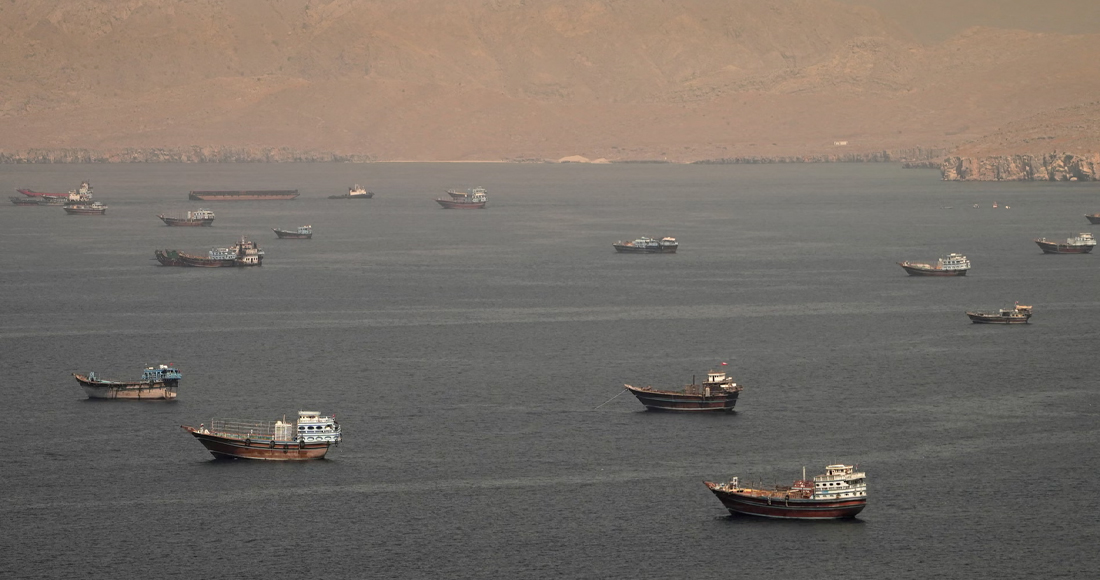
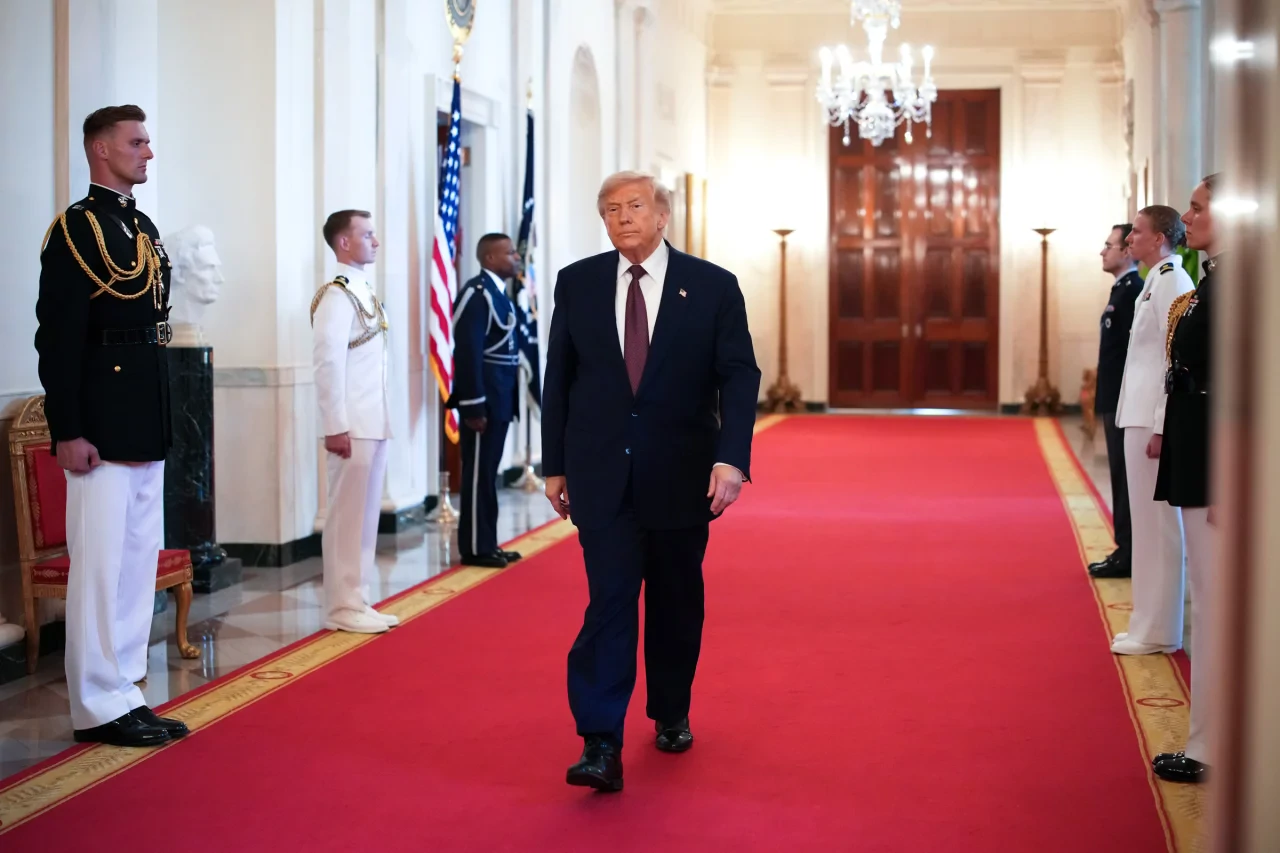
Washington DC. With an agreement reached between the two countries to end the ongoing war in West Asia, the United States has lifted its maritime blockade against Iran.
The US Central Command confirmed the end of the blockade via social media platform X, as per the President's directive. However, the Command stated that some US military ships will still remain in the vicinity of that region.
A few moments after the blockade was lifted, Iran's Supreme Leader Mojtaba Khamenei gave his first reaction since taking office. He stated that although he had a different opinion on the agreement with the US, he approved it after receiving assurances from the President that the country's interests would be protected.
Mojtaba took over the responsibilities after his father and then Supreme Leader Ayatollah Ali Khamenei was killed in a US and Israeli airstrike in February, but he had not appeared publicly until now. He commented that US President Donald Trump had used all means to force the agreement and clarified that future negotiations would not mean accepting the enemy's stance.
While US President Trump did not directly comment on Khamenei's statement, he expressed expectations that a full ceasefire would be implemented on all fronts, including Lebanon's Hezbollah and Israel. Trump expressed confidence that countries in West Asia would maintain their commitment to advancing the negotiation process.
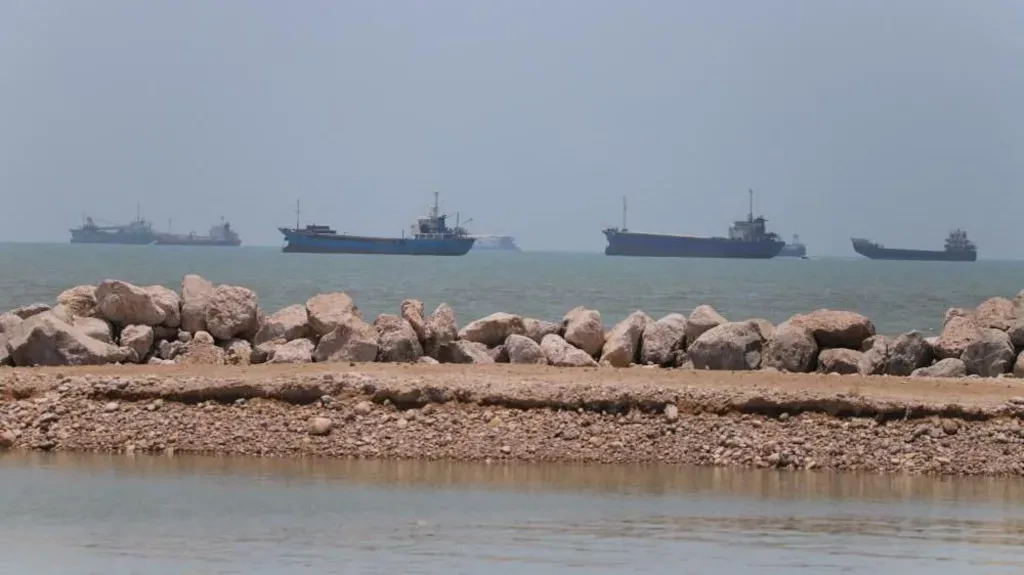
The agreement between Iran and the US includes 14 main points. Under this, the Strait of Hormuz route will be reopened, Iran will never develop nuclear weapons, and a fund of $300 billion will be established for Iran's reconstruction and economic development. However, the US is not obligated to deposit funds into this fund. Both sides must reach a final agreement within a maximum of 60 days, and this period can be extended according to the agreement.
Although the formal signing ceremony for this agreement was scheduled to take place in Switzerland, according to the mediator Pakistan, the formal ceremony has been canceled as the signing had already occurred digitally. However, representatives from both countries are scheduled to meet in Switzerland for technical and further discussions. US Vice President JD Vance informed that the agreement has come into effect and the 60-day negotiation period has begun.
Meanwhile, Trump's move has drawn sharp criticism within the US, especially from Republican lawmakers. Republican Senator Bill Cassidy called the agreement the biggest diplomatic blunder in decades. He claimed that Iran's nuclear ambitions could not be curbed and that Iran had received the message that the politics of threats are successful.
Countering the criticism, US Vice President Vance clarified that Iran would not receive any concessions on funds or sanctions until it fulfills the terms of the agreement. He stated that under the agreement, Iran must destroy its enriched uranium stockpile and stop financial support to regional militant groups.
Vance also strongly criticized Israeli ministers who opposed this agreement. Targeting Israel's National Security Minister Itamar Ben-Gvir and Finance Minister Bezalel Smotrich, he questioned what other options they had to solve this problem.
Vance said, 'You are a country with a population of nine hundred thousand. Not every national security problem can be solved solely by killing people.' He urged Israel not to attack its only powerful ally and to understand the reality, warning that attacks causing civilian casualties in Beirut would not be acceptable.
Israeli Prime Minister Benjamin Netanyahu praised the strong support the US provided to Israel during the war, emphasizing the importance of the relationship. However, both Israel and Hezbollah continue to attack each other in violation of the spirit of this agreement. Israel argues that its fight with Hezbollah is different from the war with Iran, while Hezbollah has also rejected the terms of this agreement.
This specific news has been automatically translated by AI. As a result, there may be some inaccuracies or language errors.

_8xlgReeiEV.jpg)