Foreign Minister Concludes Visits to India and China

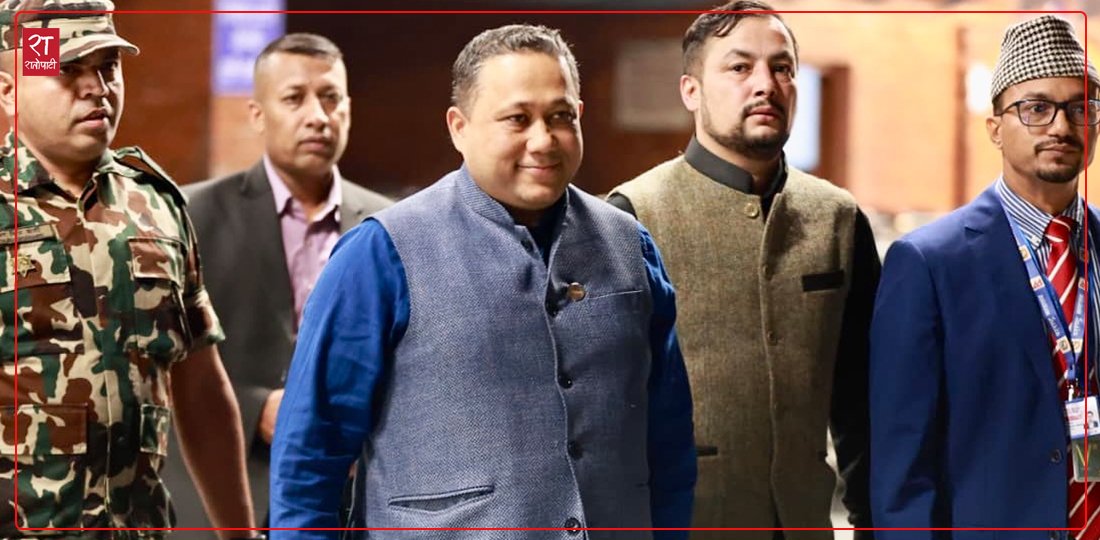
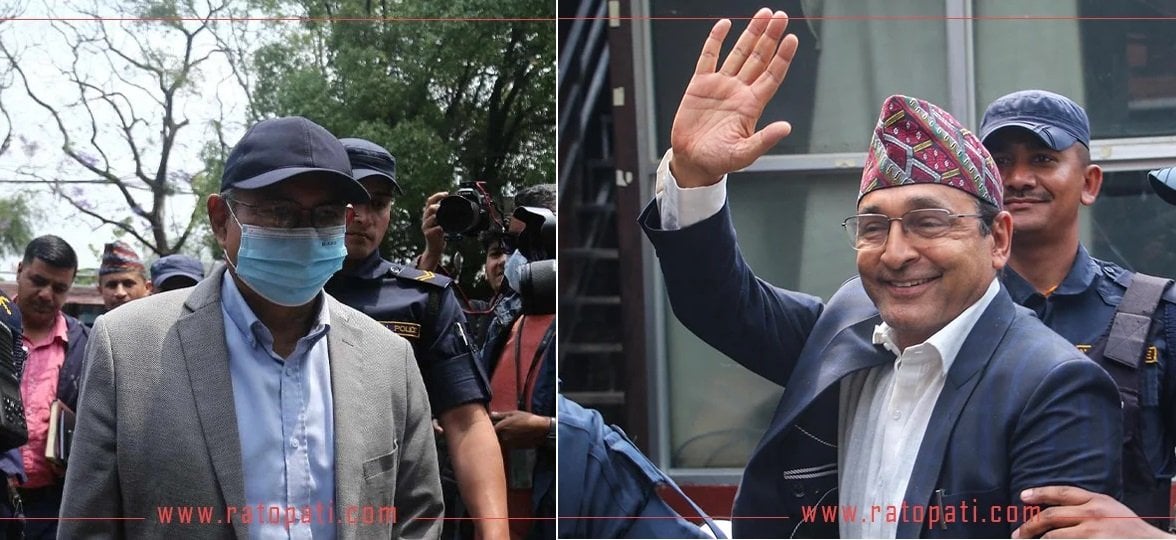
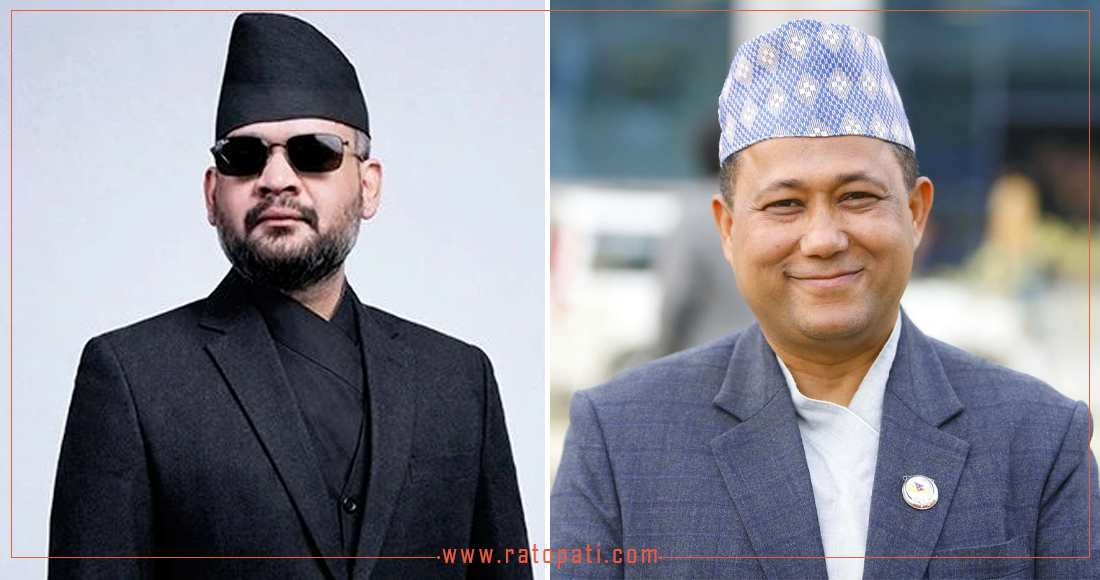
Kathmandu. In a span of two weeks, Foreign Minister Shishir Khanal has visited two neighboring countries, India and China. Foreign Minister Khanal visited India from Jestha 22 to 24 and China from Jestha 31 to Ashar 3.
Many understand that Foreign Minister Khanal strategically visited both countries to maintain a balance between them. The visits to the two neighboring countries after the formation of a new government in Nepal are also seen as an important diplomatic journey for the government.
During the Foreign Minister's visit, both countries emphasized Nepal's economic development, infrastructure construction, and trade partnerships. Both countries have pledged to be reliable partners in Nepal's development. Connectivity has been a major topic in discussions with both countries. While transit and digital connectivity have been emphasized with India, connectivity in road, port, and aviation sectors to make Nepal a 'land-linked' country from 'landlocked' has been emphasized with China.
Similarly, the issue of attracting foreign investment to Nepal was discussed during bilateral meetings with the foreign ministers of both countries. Specifically, the Chinese side clearly encouraged Chinese companies to invest and an understanding was reached that Nepal should create a transparent business environment for it. The Nepali Embassy in China even organized an investment conference during Minister Khanal's visit.
In addition to bilateral issues, discussions were also held on regional, multilateral, and international issues of interest during the visits to both countries. India emphasized its 'Neighborhood First' policy and historical people-to-people relations, while China recalled its millennia-old relationship connected by mountains and rivers and the 'Panchsheel Principles'.
_if4eCKeGky.jpg)
Different Understandings of Both Countries
Experts say that the press release issued by the Indian Ministry of External Affairs appears very practical and result-oriented. India's press release contains a list of concrete agreements and actions. India publicly announced through its press release issues such as the handover of 72 health institutions and 12 cultural heritage sites, and the initiation of UPI and NPI integration for cross-border payments.
However, experts say that China's press release is more strategic and policy-oriented. China's press release emphasizes concepts such as high-quality cooperation under BRI and strategic partnerships more than various projects.
Political and geopolitical issues have found a place in China's press release. It gives special importance to Nepal's commitment to the 'One China Policy', Nepal's statement that Taiwan and Tibet are internal affairs of China, and Nepal's commitment not to allow Nepali territory to be used against China.
Similarly, India's press release does not mention any such political principles or geopolitical matters targeting a third country. It is purely focused on bilateral economic, technical, and security cooperation. It is mentioned that Foreign Minister Khanal held a separate meeting with National Security Advisor Ajit Doval during his visit to India. Furthermore, emphasis was placed on the implementation of the India-Nepal Mutual Legal Assistance Treaty (MLAT) for cross-border crime control, indicating the security sensitivities between the two countries.
India claims that this agreement will provide an institutional legal framework to enhance the effectiveness of investigation, prosecution, and judicial proceedings related to cross-border crimes, benefiting the people of India and Nepal.
China's press release does not mention specific legal mechanisms or cross-border crime control mechanisms of this type, but rather mentions China's support for the protection of Nepal's sovereignty and independence. India has prioritized technology and innovation, fintech, energy, and people-to-people relations, while China has prioritized large-scale infrastructure, poverty alleviation, environmental protection, and connectivity through BRI.
Thus, India appears to have emphasized digital and financial integration as well as the implementation of stalled agreements, while China has emphasized the renewal of traditional political trust and the continuation of large strategic infrastructure projects like BRI.
Statement from the Ministry of Foreign Affairs
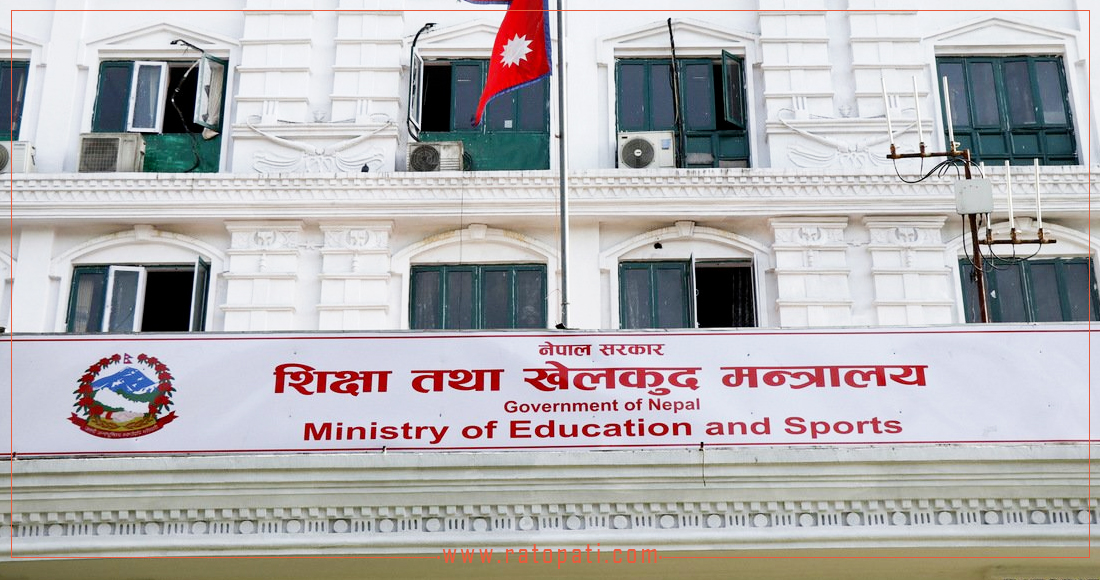
Nepal has also emphasized to both countries the further strengthening of its balanced, independent, and multidimensional foreign policy. The Ministry of Foreign Affairs stated in separate press releases on different dates that Minister Khanal discussed with Indian Foreign Minister S. Jaishankar and Chinese Foreign Minister Wang Yi to promote Nepal's economic and development diplomacy and elevate bilateral relations to new heights.
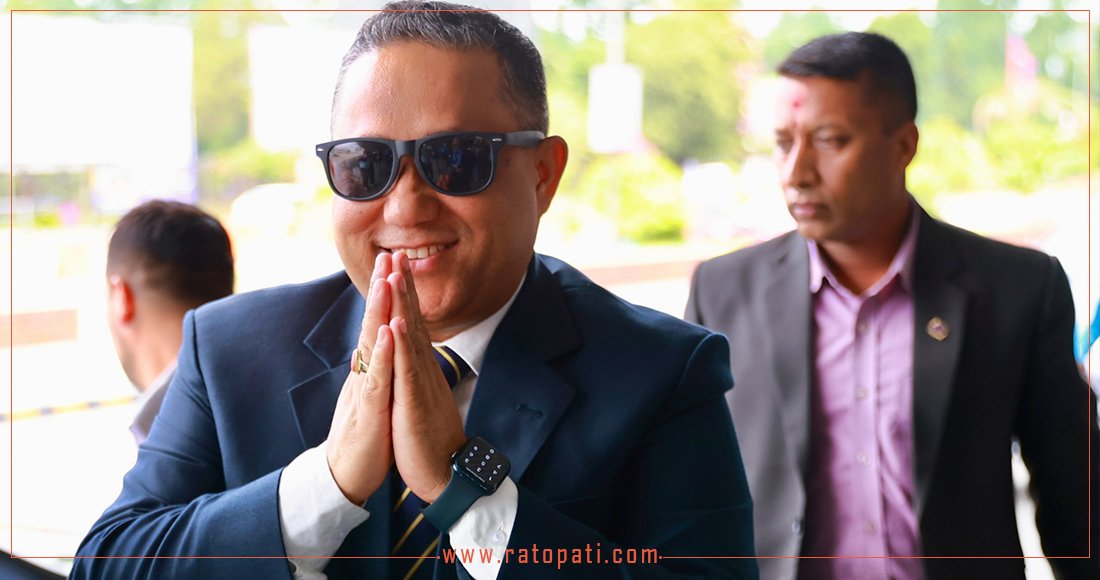
During his visit to China, Minister Khanal held bilateral talks with Chinese Foreign Minister Yi, and also met with Liu Haising, Minister of the International Department of the Communist Party of China, and Wang Huning, Chairman of the Chinese People's Political Consultative Conference. According to the ministry, during these meetings, Nepal reiterated its commitment to the 'One China Principle' and clarified that Nepali territory would not be used against China.
The Chinese side also expressed its firm support for Nepal's sovereignty and territorial integrity and assured full cooperation in Nepal's good governance and economic development. Agreements have been reached to cooperate in various fields between the two countries, including infrastructure, connectivity, border management, energy, trade, agriculture, technology transfer, digital transformation, tourism, chemical fertilizers, and petroleum and natural gas exploration.
Minister Khanal has invited Chinese investors to invest in Nepal.
Similarly, Minister Khanal discussed common security concerns and border management issues with Indian Foreign Minister S. Jaishankar and India's National Security Advisor Doval.
In addition to the agreement on cross-border payments, the Ministry of Foreign Affairs stated that 72 health sector and 12 cultural sector projects reconstructed in Nepal after the earthquake with India's development assistance have been handed over.
Upon returning from his visit, Foreign Minister Khanal stated that Nepal has created a strong foundation for expanding independent, practical, and cooperative relations with neighboring countries and further strengthening trade, investment, energy cooperation, and connectivity. He also gave clear instructions to the Nepali embassies to protect the interests of Nepal and Nepalis in their respective countries and to conduct economic diplomacy effectively.
This specific news has been automatically translated by AI. As a result, there may be some inaccuracies or language errors.