Karnali Province Announces Budget of NPR 35.39 Billion

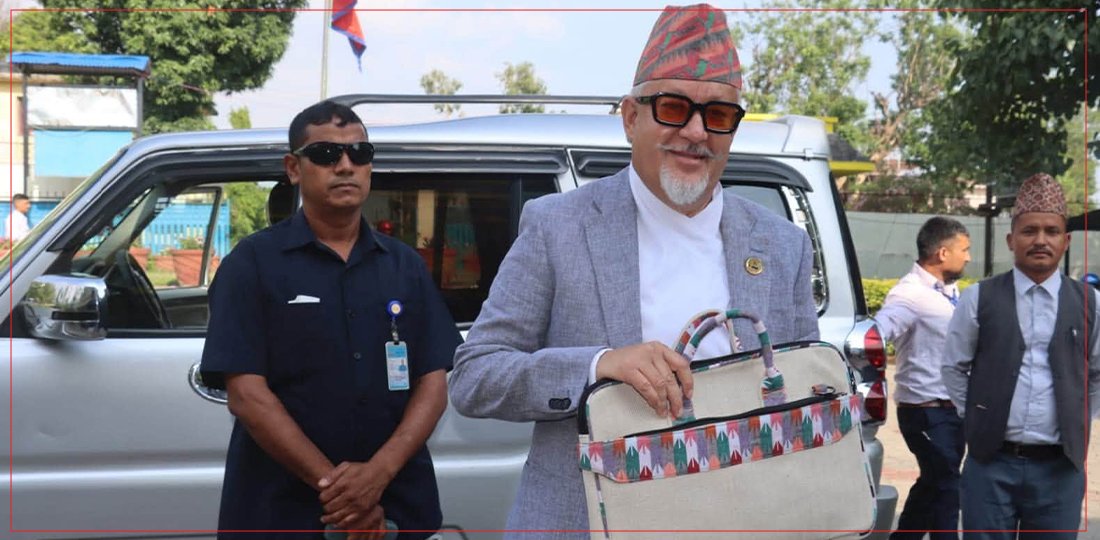
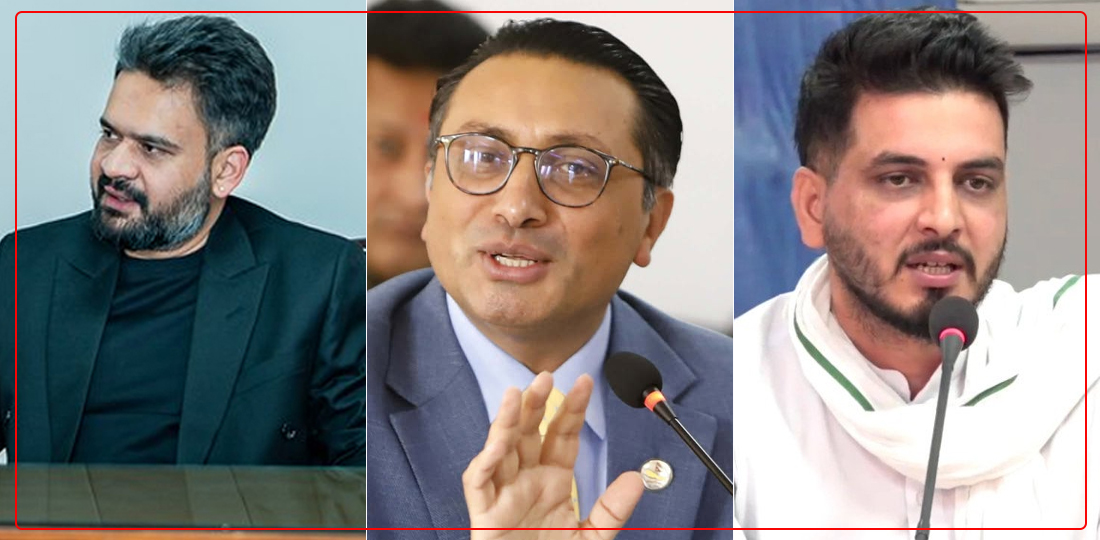
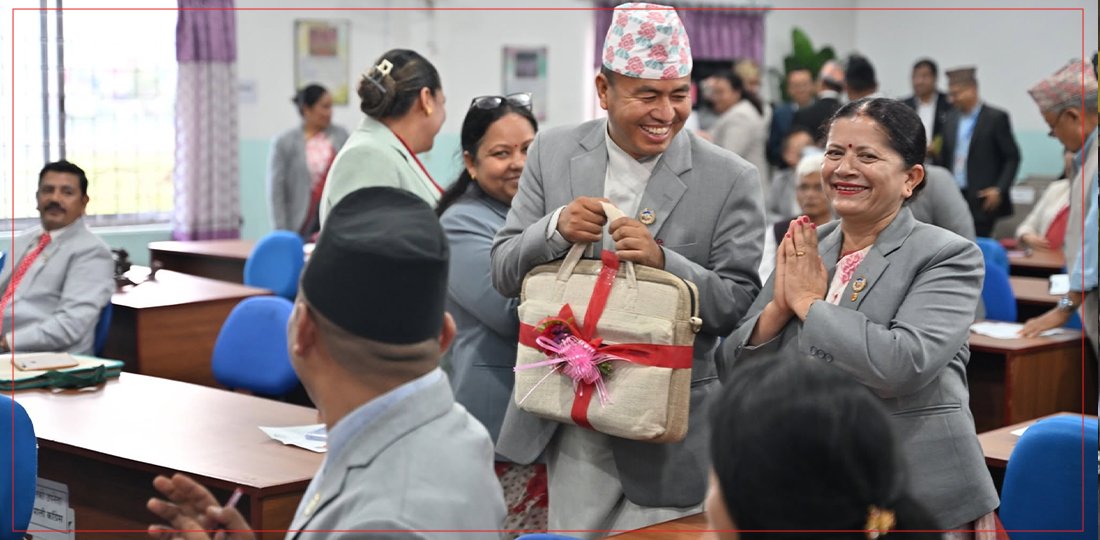
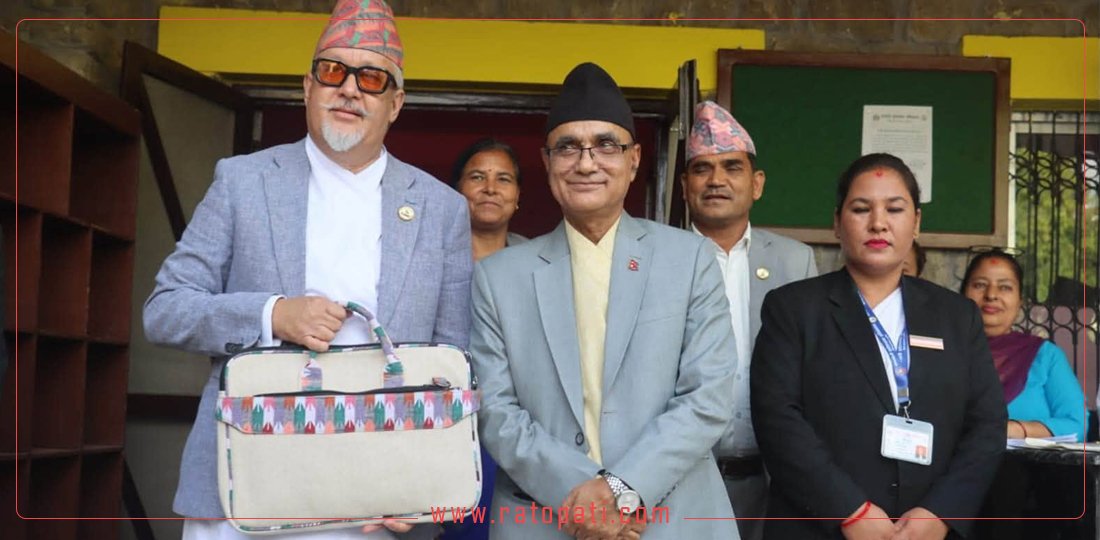
Surkhet. Karnali's Minister of Economic Affairs and Planning, Rajib Bikram Shah, on Monday unveiled a budget of NPR 35.39 billion, 85 million, 48 thousand for the upcoming year. This budget, which reduces the current budget and increases the capital budget, is 7.28 percent higher than the current fiscal year. The budget, brought entirely based on federal grants and savings, includes most old and failed programs. Bindaman Bisht, a Member of Parliament from Karnali's main opposition party, the Communist Party of Nepal (Maoist Centre), and former Finance Minister, commented that the budget is 'a document brought to just get by'. He states that although there is a need to think in a new way to break the current problems of Karnali, such a budget does not reflect it. 'It is just a continuation of what has been happening in the past, very traditional,' Bisht told RatoPati, 'Moreover, it seems to be more focused on sectors, individuals, and ministers.' According to him, the entire book is yet to be studied further. However, the budget speech, at first glance, appears unbalanced. The current need is to make the economy of Karnali Province dynamic, create employment, focus more on production sectors, and increase production and productivity. 'The budget is completely detached from the need to lead Karnali Province towards self-reliance,' Bisht adds. The budget has allocated minimal funds to agriculture and industrial sectors. Innovation is not being considered at all. He states that minimal budget has been allocated to programs that promote youth self-employment and entrepreneurship. According to him, the budget has not addressed the need to expand the service sector to increase tourism, production, and productivity in Karnali and create employment. 'At first glance, it seems to have tried to cover everything thematically, but there is neither innovation nor novelty in it,' he says, 'The budget has completely failed to provide a sense of change and make the economy dynamic.' He also states that the budget has ignored the need to create an investment-friendly environment and attract large investors. 'It's a superficial budget, like a collection of plans by including some plans given by MPs and local municipalities,' he says. According to Bisht, the budget does not address the problem of budget expenditure, which is a major challenge for Karnali. 'It is the need of the hour to identify policy-level problems, legal complexities, and issues with our work efficiency and solve them,' he added, 'Questions have arisen regarding budget allocation efficiency, implementation effectiveness, frugality, and financial discipline.' He states that the budget has not come in a way that dissects these weak points and addresses them. He says there is no reason to be optimistic about the budget. Tekraj Pachai, Chief Whip of the ruling CPN-UML Parliamentary Party, also commented that the budget would not be able to meet its concrete goals. He states that the budget is merely a continuation of the past and is distribution-oriented. 'Although some efforts for policy reform seem to be visible at first glance, there is a situation where we have to doubt their implementation,' he told RatoPati. According to him, the budget aims to reduce current expenditure, adjust revenue rates, and maintain economic discipline and frugality. However, Pachai says that these things will only be considered successful based on how they are implemented tomorrow. He claims that the budget will not be able to achieve the main objectives set by the province. 'Instead of bringing important and large projects, the budget has been divided into small plans and made distribution-oriented,' he added, 'This cannot meet the overall development goals.' Pachai stated that it has not been able to rise above this traditional pattern. He argues that programs have not been brought in a way that addresses the goals set by the Second Five-Year Plan. 'The programs that we said should come in line with the goals of the Second Five-Year Plan could not be achieved,' he adds, 'Apart from continuing past plans, no novelty or vision was seen in the budget.' Congress MP Bedraj Singh, who is also a former Finance Minister, also said that the budget does not have large and new transformative projects. However, he said that efforts are being made to move forward with the ongoing programs in a new way and based on priority. Singh stated that the budget is indeed reform-oriented. 'Specifically, some positive points have been included in the budget to address the problems in the infrastructure development sector and the complexities of capital expenditure implementation,' he said, 'The arrangement to keep the amount that directly goes to the consolidated fund in the district and spend it is a good aspect.' He said that this is expected to facilitate local-level performance. Singh states that the amount of grants received from the federal government is encouraging. He said that it is natural for the budget to have some continuity of past plans. However, this does not mean there is no novelty. 'Determining sectoral priorities in allocation, trying for inclusive and balanced development, and strengthening the implementation aspect are the new aspects of this budget,' he added.
This specific news has been automatically translated by AI. As a result, there may be some inaccuracies or language errors.
_Y6v0INQnzs.jpg)