Mobile Screen Time and Cataracts: Separating Fact from Fiction

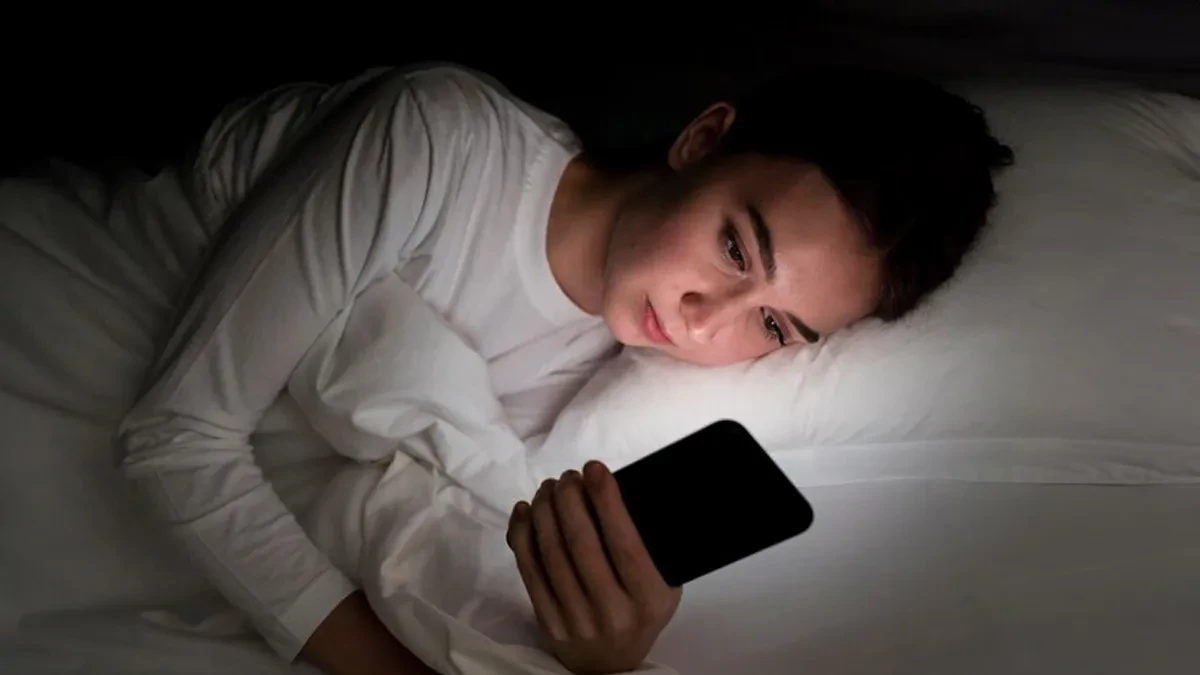
Kathmandu. Old age is believed by many to be the main cause of cataracts. However, excessive use of mobile phones and screens can also be harmful. It can cause eye fatigue, dryness, and vision problems. Studies have shown that 50 to 65 percent of people with excessive screen time suffer from digital eye strain.
However, no concrete scientific evidence has been found to prove that mobile phone or screen use directly causes cataracts. Therefore, it is important to moderate screen time. But there is no need to panic that cataracts can be caused solely by mobile phone use. Screen devices have become an integral part of our daily lives, so we need to be very careful.
Does continuous mobile phone use increase the risk of cataracts?
Cataracts are a condition where the natural lens of the eye becomes cloudy, leading to gradual vision loss. However, in some cases, diabetes, eye injury, long-term use of steroid medication, smoking, and exposure to ultraviolet rays increase the risk.
According to the World Health Organization (WHO), aging is considered the biggest risk factor for cataracts worldwide. However, mobile phone light is not the cause of cataracts.
Dangers of Screen Time or Continuous Mobile Use
Although mobile phone use is not the cause of cataracts, it can cause harm. Prolonged screen time can lead to dryness, irritation, blurred vision, headaches, and eye fatigue, a condition called digital eye strain or computer vision syndrome. According to a scientific review, digital eye strain is seen in more than 50 percent of people who regularly use digital devices.
- Watery eyes
- Constant eye pain
- Fatigue
- Lack of sleep
- Headache
- Blurred vision and irritation
- Effect on eyelid
Retina can be damaged by blue light
Prolonged exposure to blue light from screens can affect the retina, but it is not considered to be linked to cataracts. According to the American Academy of Ophthalmology, the blue light emitted from normal digital devices is not considered a direct cause of cataracts.
When does this happen?
A large international survey found that about 65 percent of people reported symptoms such as eye strain, fatigue, or blurred vision after spending long periods of screen time. Many studies have also shown that people who use screens for four hours or more a day may be more likely to experience digital eye strain. However, these studies have not established a direct link between cataracts and screen time.
The 20-20-20 rule is beneficial
Following the 20-20-20 rule can be beneficial for eye health. It suggests looking at something about 20 feet away for 20 seconds every 20 minutes. Maintaining appropriate screen brightness, working in bright light, blinking regularly, and getting regular eye check-ups are important.
This specific news has been automatically translated by AI. As a result, there may be some inaccuracies or language errors.