Lack of Accountability Hinders Progress Despite Ample Resources

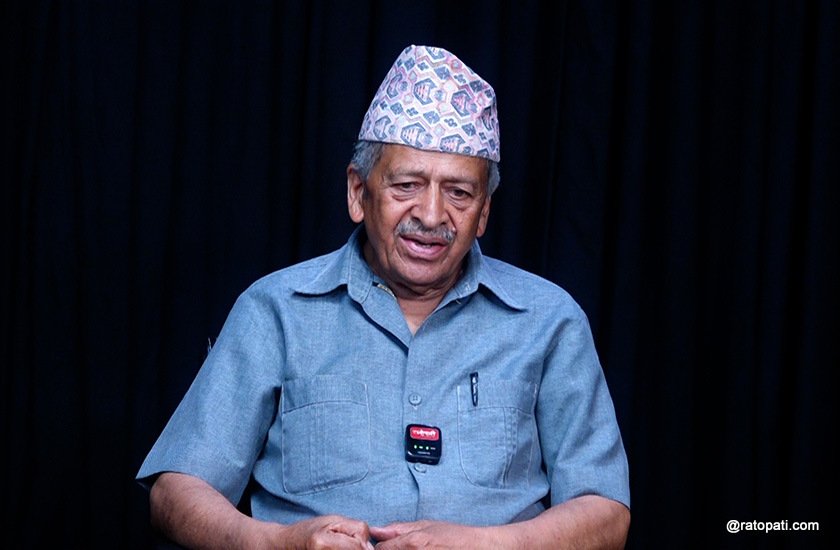
Rameshwarji's concept paper has been prepared with great effort. It reflects the experiences and realities of working in high positions in the administration. It would be very good if it could be implemented.
The current Finance Minister has also raised the question of why we are suffering despite having ample resources, potential, and goodwill. The main reason we lag behind, despite having all these things, is the complete lack of accountability. We have received plenty of assurances from political leaders. From saying 'I will bring down the stars from the sky after winning' to 'We will bring you to Asian standards in 10 years.' But our leaders did not have the public accountability character that one should be punished for not fulfilling promises.
From 2007 BS, 2017 BS, movements and changes have occurred every 10 years. Everyone came with a mission. But all these movements and changes ended in agreements midway before maturing. When agreements are made before the revolution is complete, the change remains immature. The main reason for the public being cheated is this immature political change.
Currently, the Prime Minister is saying 'We have a shortage of money.' But looking at the budget situation, the allocated budget itself has not been fully spent. If there were only a shortage of resources, then the things mentioned in the budget would have been implemented 100% and we would have to say 'Now we don't have enough money.' This is not the case in practice.
This time, the budget has set a revenue collection target of approximately 14 kharba 5 arab 31 crore. But on one hand, the rates of taxes and excise duties have been reduced, and on the other hand, an ambitious target has been set. How will this be possible?
The government has brought a proposal to invest 5-7 percent of foreign exchange reserves in 'risky' sectors like venture capital or AI stations. For the immediate time, we have sufficient reserves and the idea of bringing some returns from it might sound good. But this is very risky. Tomorrow, if a natural disaster occurs or when it's time to pay the principal and interest of foreign loans, these reserves will be what works. Moreover, we are currently at risk of being on the FATF's grey list for money laundering.
If the government's actions fail to reassure them and we get stuck there, the commission and guarantee fees charged by foreign banks for transactions will increase significantly. In such a situation, foreign exchange reserves are our life-sustaining herb; we should not play with them.
In Nepal, INGOs are spending many times more money than the government budget. While the mobilization of foreign resources in education, health, and awareness-raising sectors is fine, if such investments are coming in a way that adversely affects our sovereignty, the state must be able to monitor and take a firm stand on them.
Video
This specific news has been automatically translated by AI. As a result, there may be some inaccuracies or language errors.