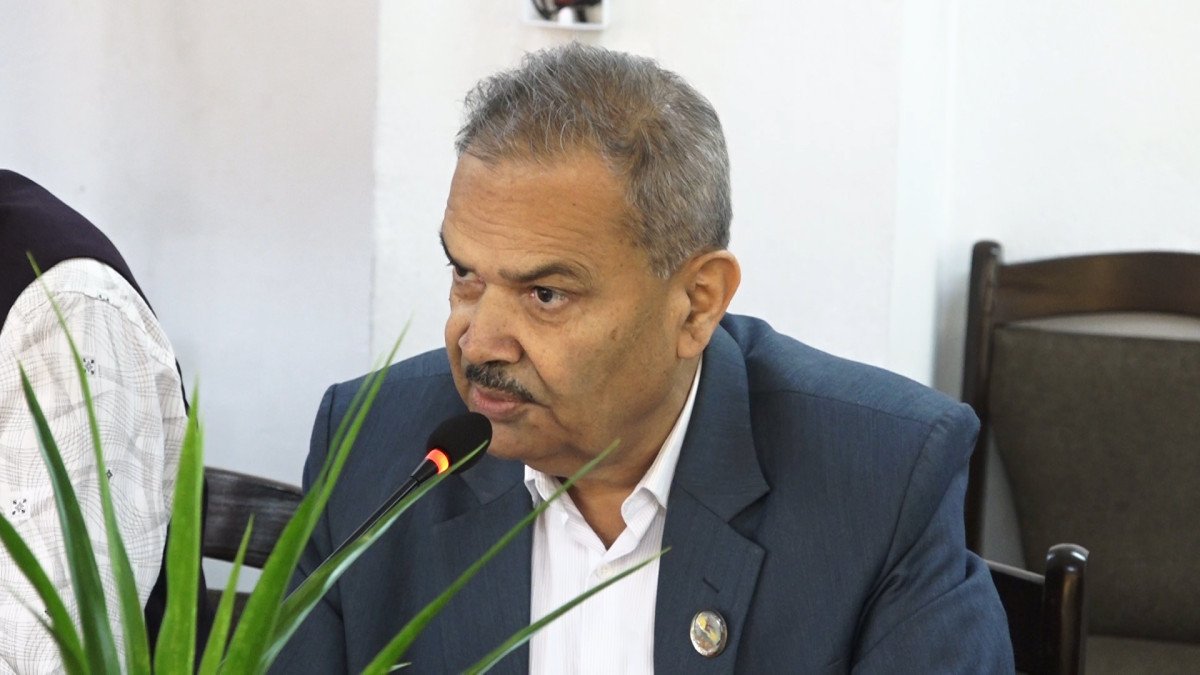
ICAN President Criticizes Budget for Failing to Reform Tax System and Address Cooperative Crisis


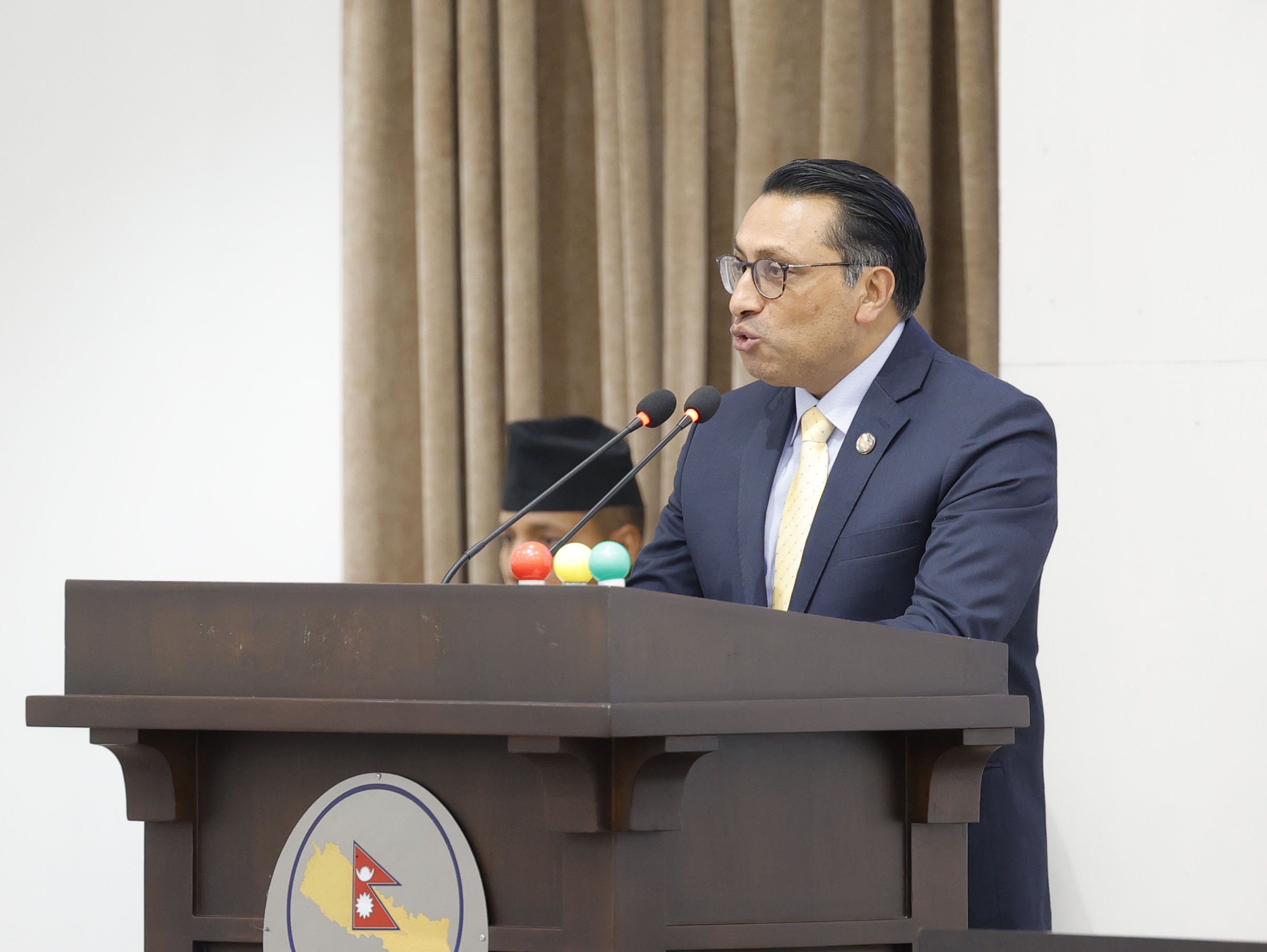
Kathmandu. Nepal Chartered Accountants Institute (ICAN) President CA Nil Bahadur Saru Magar has commented that the budget for the upcoming fiscal year 2083/84 has failed to reform the tax system and resolve the serious crisis seen in the cooperative sector.
Speaking at a budget review program organized by the Federation of Nepalese Chambers of Commerce and Industry in the capital, he presented his analysis of the budget's strengths and weaknesses.
President Saru stated that although the government has provided some relief to industrialists and businessmen by significantly reducing the tax burden at various levels of customs, it has not been able to bring about the fundamental reforms needed in the tax system. He said that the main reason for the lack of increase in Nepal's productivity is the uncertainty prevalent in the tax system.
He demanded comprehensive reforms in tax laws, citing that past major tax disputes and differing interpretations of laws have created confusion among investors. Specifically, he mentioned that the budget this year was expected to adequately address controversial provisions such as taxing the premium from bonus shares issued by companies, but this did not happen.
Pointing out the need for the government to do more homework on Nepal's tax system, Saru said, 'The rates of taxes levied at various levels in customs have been significantly reduced. I believe this will provide a lot of relief to industrialists and businessmen. However, I feel some issues should have been included in the budget. Particularly, one of the main reasons for the lack of significant improvement in Nepal's productivity is the uncertainty in the tax system.'
He expressed concern that despite political fluctuations and movements, other countries have achieved economic development, but Nepal has not achieved the expected economic development even with a stable government. He warned that the lack of a clear and phased action plan in the budget to solve the problems of the cooperative sector and the economy's excessive dependence on remittances could pose a challenge in the long run. He concluded that the budget has not prioritized a strategy to transform remittance-sourced funds into productive and service sectors.
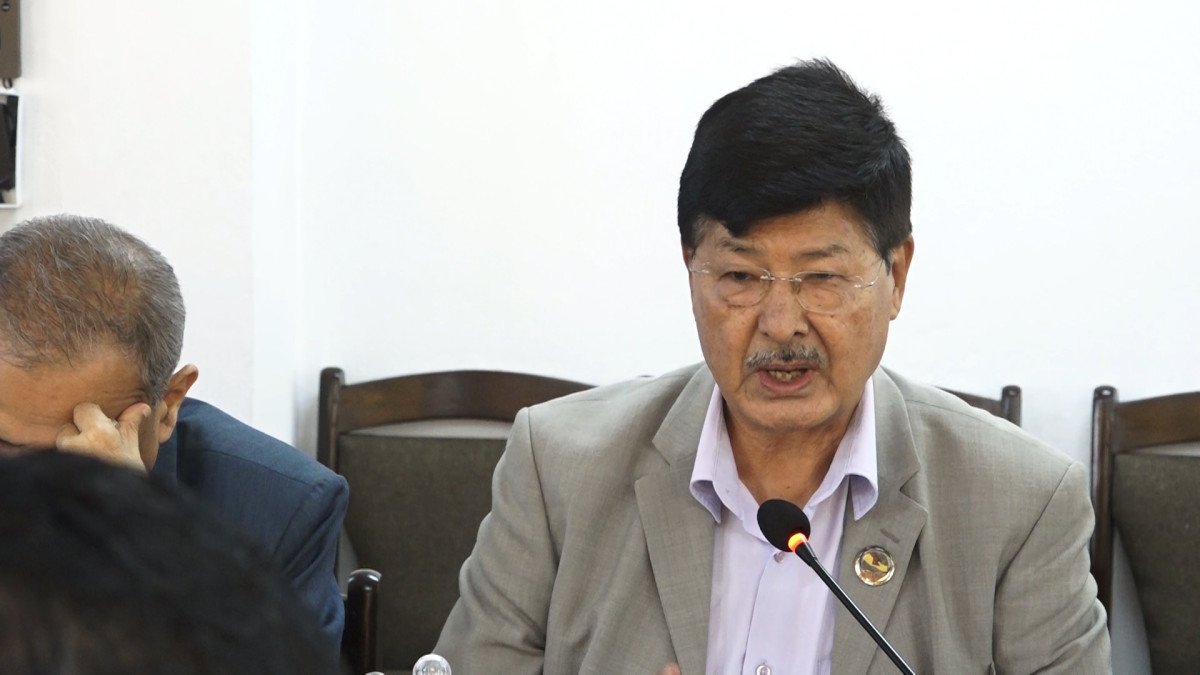
Similarly, speaking at the program, Mohan Katuwal, Commodity Vice President of the Federation of Small and Cottage Industries Nepal, said that it would be difficult to achieve expected results in economic development and job creation as the government has not given adequate priority to the small industry sector. Katuwal mentioned that financial literacy has not yet reached villages in Nepal and that small industries are poorly prepared for the government's policy of moving towards a digital system. He emphasized that before bringing small and cottage industries under the social security fund, the government should create an easy and encouraging environment.
Complaining about the excessive administrative hassle in the process of establishing and operating industries in Nepal, Katuwal said, 'Looking at the hassle one has to go through to establish an industry, it is like committing a crime to do business. One has to visit 20 places to register an industry. The government has said it will start a one-stop service center, but it is limited to mere talk.'
He lamented that although the previous government had allocated a budget and started work to establish industrial villages in every municipality, the state's attention to small industrialists has decreased this time. He stated that although micro, cottage, and small industries in Nepal are family-run and have significant participation from women, operating capital, concessional loans, and financial access remain challenging for them. He lamented that the provision of loans based on the project itself as collateral is limited to talk, and the trend of only big businessmen benefiting based on access, without real entrepreneurs receiving concessions, has not yet been broken.
In the current situation where the impact of the global economic recession persists and domestic industries are not operating at full capacity, businessmen say that the size of the budget brought by the government is large. The review program concluded that it would be very difficult to achieve the large revenue target and economic growth set by the government without concretely prioritizing the productive sector and promoting domestic investment.
This specific news has been automatically translated by AI. As a result, there may be some inaccuracies or language errors.