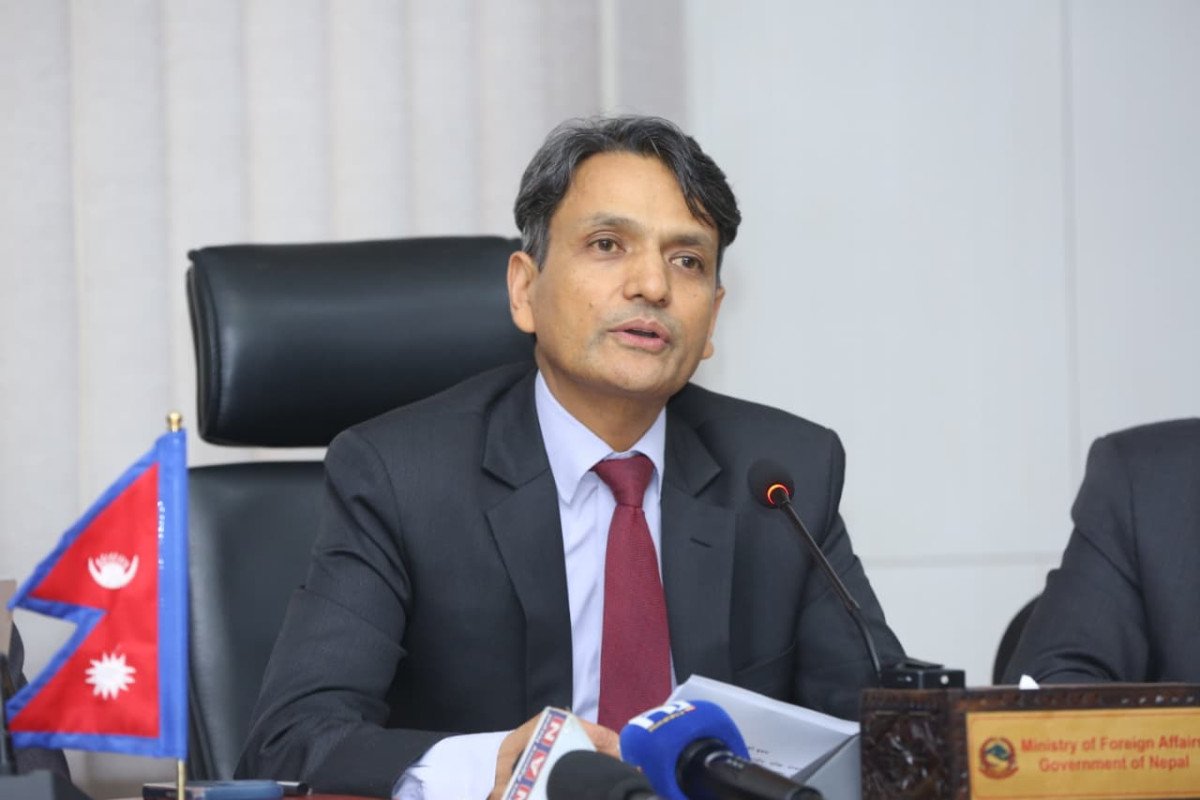
Ippan Chairman Ganesh Karki: Govt's 30,000 MW Target Unachievable Without Private Sector

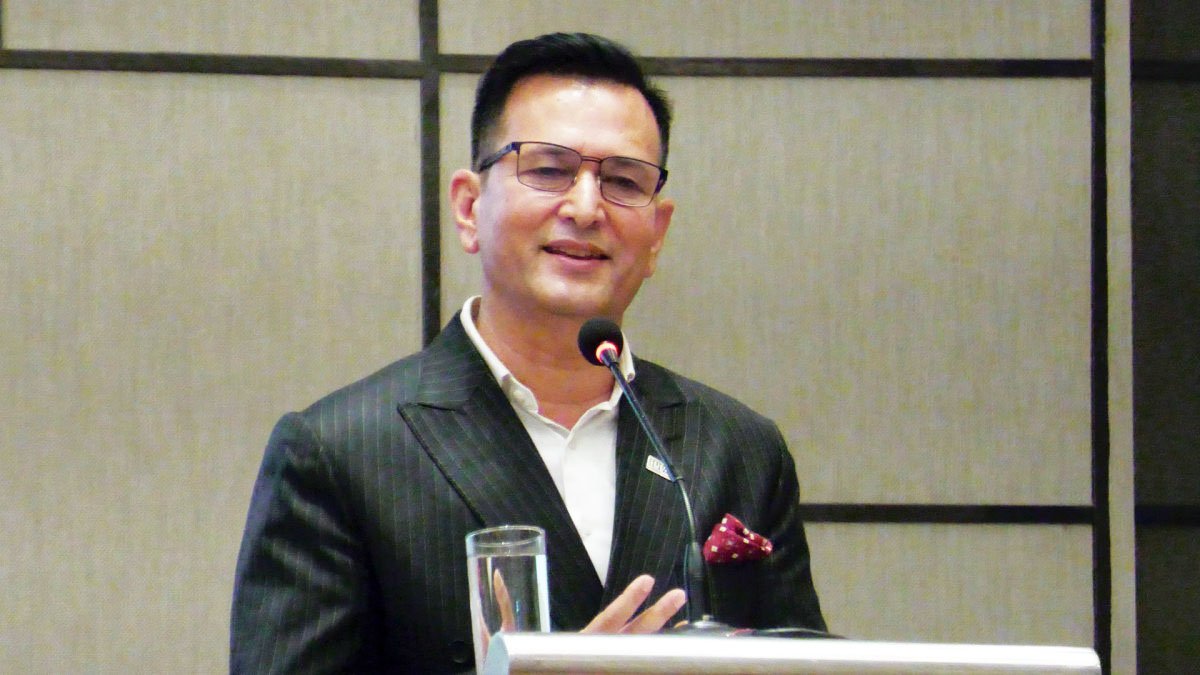
Kathmandu. Independent Power Producers' Association, Nepal (Ippan) Chairman Ganesh Karki has stated that the government's target of generating 30,000 megawatts of electricity in the next 10 years cannot be achieved without the participation of the private sector. Speaking at a program organized in the capital, he claimed that achieving this target would bring huge investment into the country and create about 1 million jobs.
Recalling that the country's total electricity generation capacity was only 252 megawatts until 2057 BS, Karki informed that it has now reached about 4,300 megawatts. He stated that 3500 to 3600 megawatts of the current total production is generated from private sector investment. He said that if the government had not brought policies to encourage the private sector, the country would have faced a severe energy crisis.
Currently, hydropower projects with a capacity of 5,792 megawatts are under construction, while projects with a capacity of 2,862 megawatts have completed power purchase agreements (PPAs) and entered the financial management phase. According to Karki, 380 projects with a capacity of 25,743 megawatts are moving forward in various stages, while projects with a capacity of 16,114 megawatts are awaiting PPAs. He has urged the government to expedite the PPA process for projects that have been waiting for a long time. He believes that the energy sector will gain further momentum if the recently announced call for opening PPAs for projects with a capacity of 5,000 megawatts is effectively implemented.
Karki stated that the energy sector is the country's largest investment area and a major sector for advancing the economy. So far, about 900 projects with a capacity of 34,377 megawatts have received permits. More than 13 kharba 10 arab rupees have been invested in this sector so far, with banks and financial institutions alone investing 7 to 8 kharba rupees. Presenting data showing the increasing public interest in energy, he informed that there are more than 600,000 promoter shareholders in hydropower companies and about 10 million Nepalis are directly or indirectly connected to this sector through the stock market.
With the increase in electricity generation, the country's economy has started to show positive effects. According to Karki, the energy sector is currently paying more than 25 billion rupees annually in royalties to the government. With the expansion of electricity use, the import of petroleum products has also decreased. While petroleum products worth 3 kharba 34 arab rupees were imported last year, this amount has decreased to 2 kharba 87 arab rupees in the current year. He said that the use of electric vehicles and electric stoves has helped reduce fuel imports, and if electricity can be supplied to industries, the country will make a big economic leap.
In addition to electricity generation, the private sector has also made a significant contribution to the country's infrastructure development. According to Ippan, the private sector has so far constructed 3,700 kilometers of roads, 450 kilometers of tunnels, 160 health centers, 105 schools, 270 bridges, 107 drinking water projects, and 55 irrigation projects.
Karki stated that the Energy Development Roadmap-2081 has set a target of generating 28,500 megawatts of electricity by 2035, which will require an additional investment of more than 50 kharba rupees. He also expressed a positive view on the targets set by the Third National Determined Contribution (NDC) approved by the Council of Ministers in April. These include ambitious plans such as generating 14,000 megawatts of electricity by 2030 and 28,500 megawatts by 2035, electrifying 95 percent of private vehicles and 90 percent of public transport, and operating railways and trolleybuses.
This specific news has been automatically translated by AI. As a result, there may be some inaccuracies or language errors.