2026 FIFA World Cup: A Unique Tournament Across North America


KATHMANDU. The 2026 World Cup will be completely different from others. 104 matches will be played in 39 days across four time zones and three countries, covering a distance of up to 2,800 miles, which has never happened before.
To host this massive tournament, FIFA has selected 16 cities in North America. This includes some of the world's best and most prestigious stadiums, from Los Angeles's state-of-the-art $5.5 billion stadium to Mexico City's historic Estadio Azteca, which hosted the 1970 and 1986 World Cup finals.
These stadiums will not only provide excellent views but can also influence how teams like England, Scotland, and others perform. Extreme weather can occur anywhere, but it is almost certain that teams will face extreme heat and fatigue when playing in Miami or Monterrey.
On the other hand, the weather in Seattle and Vancouver will be comparatively cooler. The weather will not have much impact in Atlanta, Dallas, and Houston stadiums as they have retractable roofs and air-conditioned systems. In Mexico City and Guadalajara, altitude will affect the game.
Another point to note is that eight of these stadiums typically use artificial turf. To meet FIFA's standards, natural grass will be temporarily laid for the duration of the World Cup.
This will be done in eight stadiums: Atlanta, Boston, Dallas, Houston, Los Angeles, New Jersey, Seattle, and Vancouver. The temporary pitches used in the 2025 Club World Cup were heavily criticized, but FIFA has promised to resolve those issues in the World Cup.
FIFA will also instruct to remove sponsor names from most stadiums and temporarily use generic names. While fans of American football or Major League Soccer may take time to get used to this, venues like SoFi Stadium and Gillette Stadium will officially be called Los Angeles Stadium and Boston Stadium, respectively. For convenience, this description includes both common and FIFA-designated names.
Despite the logistical challenges, this is sure to be a memorable tournament. Here's everything you need to know about the stadiums and cities:
Western Region
- BC Place Vancouver
This stadium will host 7 World Cup matches. With a retractable roof and temporary natural grass pitch, its capacity is 48,821 spectators. Opened in 1983, the average outdoor maximum temperature in June is 20 degrees Celsius. Vancouver is the northernmost host city for this tournament and is likely to have the coldest weather.
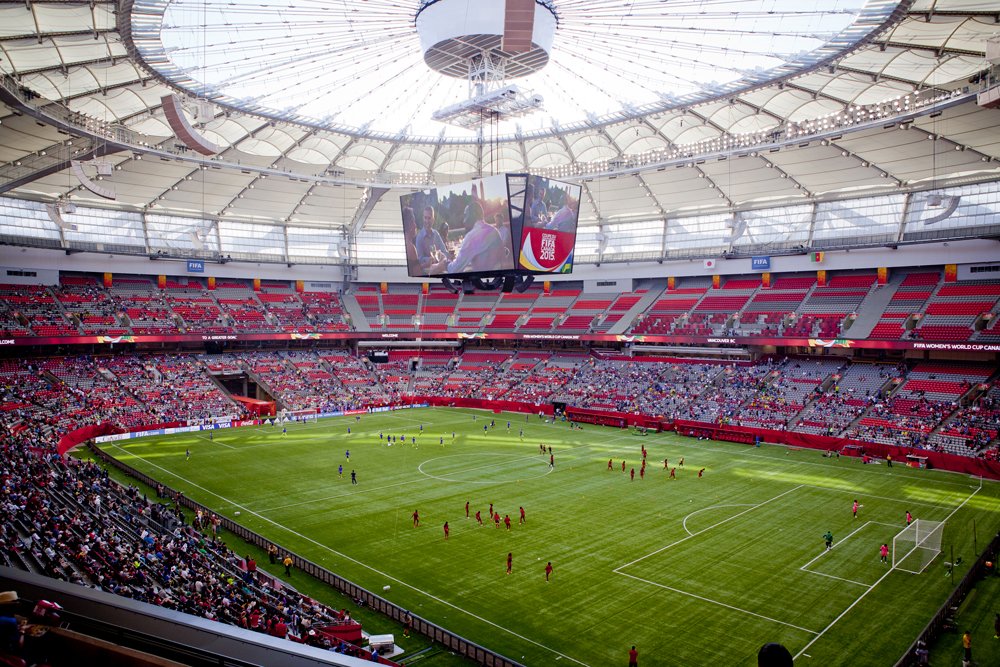
The stadium has an infrared heating system for warmth in winter, but as it does not have air conditioning, its roof is expected to be open during World Cup matches. It is called BC Place because it was built with investment from the provincial government of British Columbia. It will host seven matches, including Canada's second and third group stage games.
It previously hosted the opening and closing ceremonies of the 2010 Winter Olympics and 9 matches of the 2015 Women's World Cup. Initially, it had an air-inflated dome roof, which was replaced in 2007 after snow accumulation caused it to tear. Operators claim the current cable-supported and fully retractable roof is the largest in the world.
- Seattle Stadium (Lumen Field)
This venue will host 6 World Cup matches. It has an open-type, temporary natural grass pitch and a capacity of 65,123. It opened in 2004.
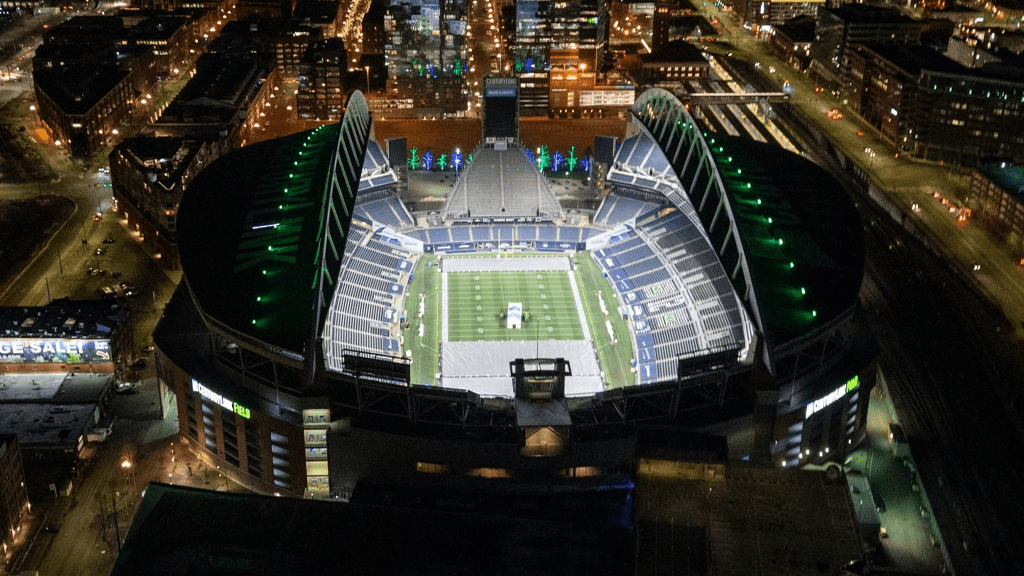
Seattle, with an average June temperature of 22 degrees Celsius, is located 100 miles south of the Canadian border. This American city has a very low probability of extreme heat. The stadium, shaped like a horseshoe, has an open northern side offering views of the city's skyscrapers.
It is the home ground for the NFL team Seattle Seahawks and the MLS team Seattle Sounders. Due to frequent use, it typically uses artificial turf. The temporary natural grass pitch laid before the 2025 Club World Cup proved to be poor.
The pitch dried out quickly due to insufficient drainage, leading Paris Saint-Germain coach Luis Enrique to complain that the 'ball bounced like a rabbit'. For the World Cup, the pitch with an irrigation system will be prepared months in advance, so the situation is expected to be better. It will host 6 matches, including a second-round group stage match for the USA.
- San Francisco Bay Area Stadium (Levi's Stadium)
It will host 6 matches. It has an open-type, permanent natural grass pitch with a capacity of 69,391.
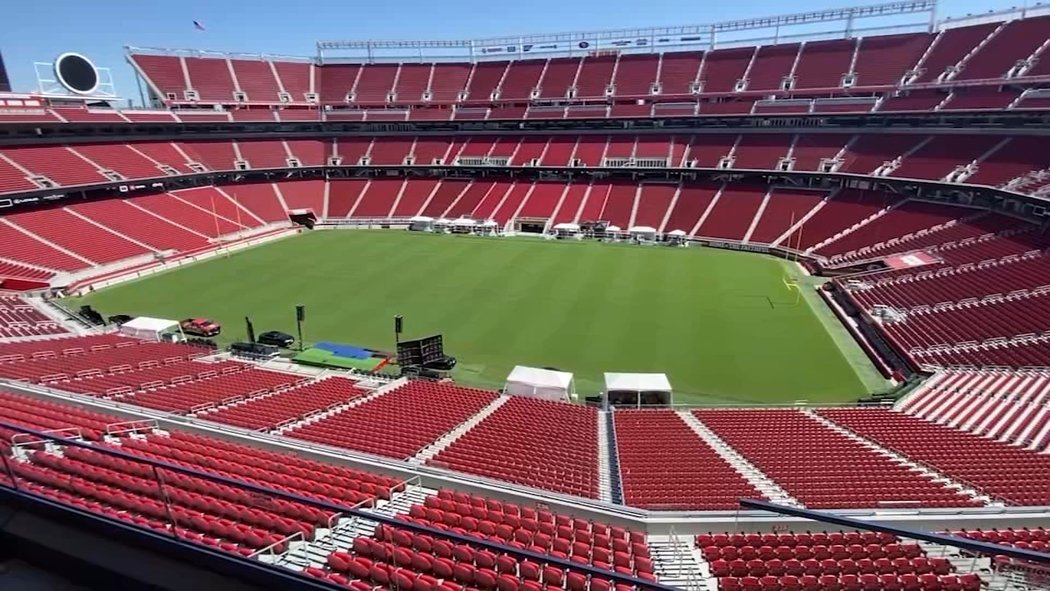
Opened in 2014, the average June temperature here is 24 degrees Celsius. The home ground of the 49ers, this stadium is located in the heart of Silicon Valley, 35 miles southeast of San Francisco. Built at a cost of $1.3 billion, the stadium is mainly open, exposing spectators to sun and rain.
Due to height restrictions near San Jose Airport, it is not possible to install a roof or provide shade. The heat during the World Cup may affect spectators, especially those in the eastern sections.
Its drainage and ventilation systems were improved in the summer of 2025 at a cost of $200 million, and corner seats have been adjusted to meet FIFA standards for pitch preparation. Along with the 2026 World Cup, it will host its second Super Bowl in February.
- Los Angeles Stadium (SoFi Stadium)
It will host 8 matches. This indoor-outdoor hybrid stadium will use temporary natural grass. With a capacity of 69,650, it opened in 2020. Its time zone is 8 hours behind UK time, and the average June temperature is 24 degrees Celsius.
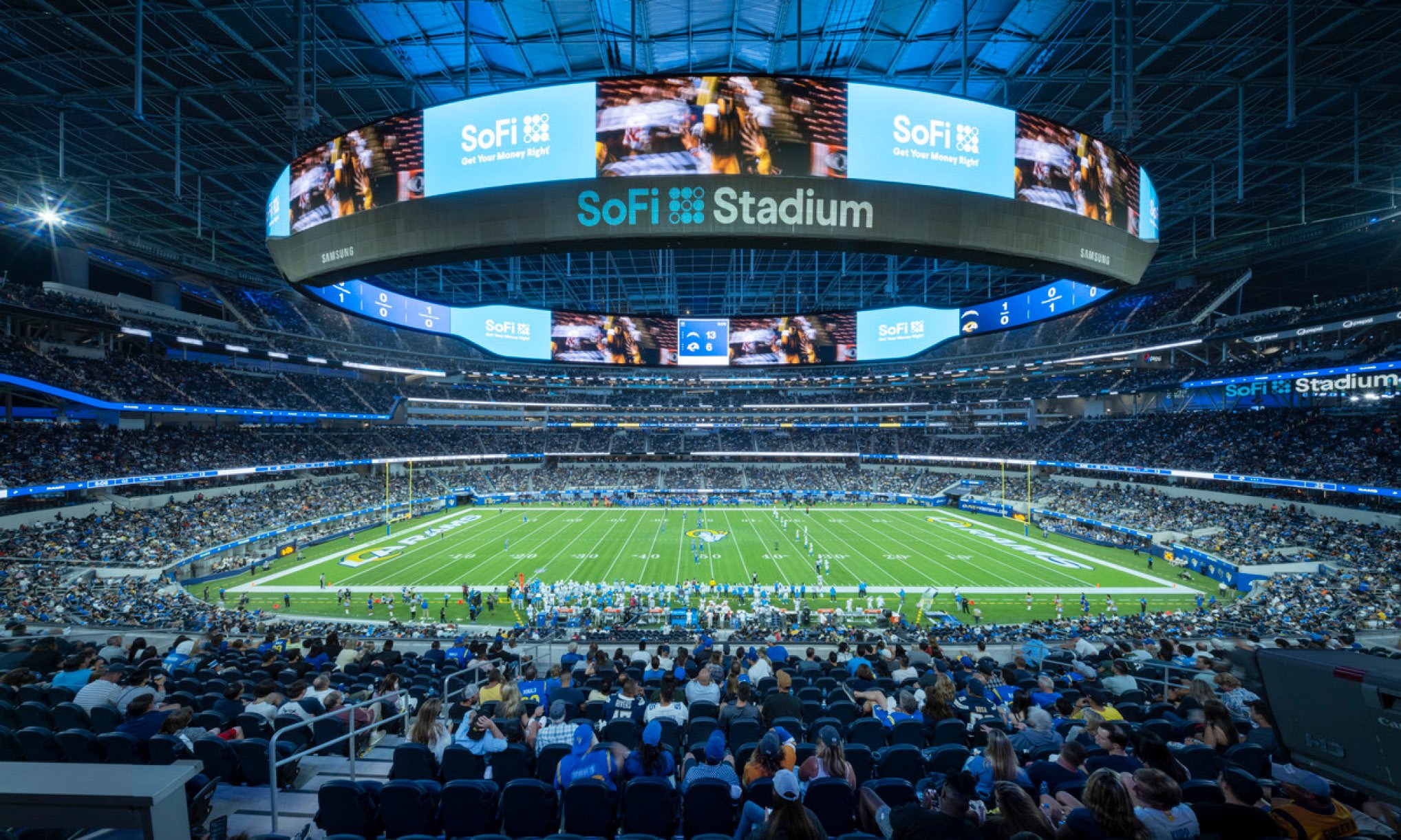
This state-of-the-art stadium is perhaps the most spectacular venue of the 2022 World Cup. Built at a cost of $5.5 billion, it is the most expensive stadium ever constructed. A transparent roof, over 90,000 square meters, supported by 37 earthquake-resistant pillars, covers it, but it remains open on three sides for fresh air.
A circular 4K video screen, weighing nearly a thousand tons and called the 'Infinity Screen', hangs from the roof, clearly visible from any seat. To meet height regulations near the airport, the pitch has been built 30 meters below ground level by excavating 5 million cubic meters of soil.
Central Region
- Estadio Guadalajara (Estadio Akron)
It will host 4 matches. It has an open-type, permanent natural grass pitch with a capacity of 44,330. Opened in 2010, this stadium has an average June temperature of 28 degrees Celsius. It will host only four matches in total, including Mexico's second game. Built on an artificial hill, the stadium resembles a volcano.
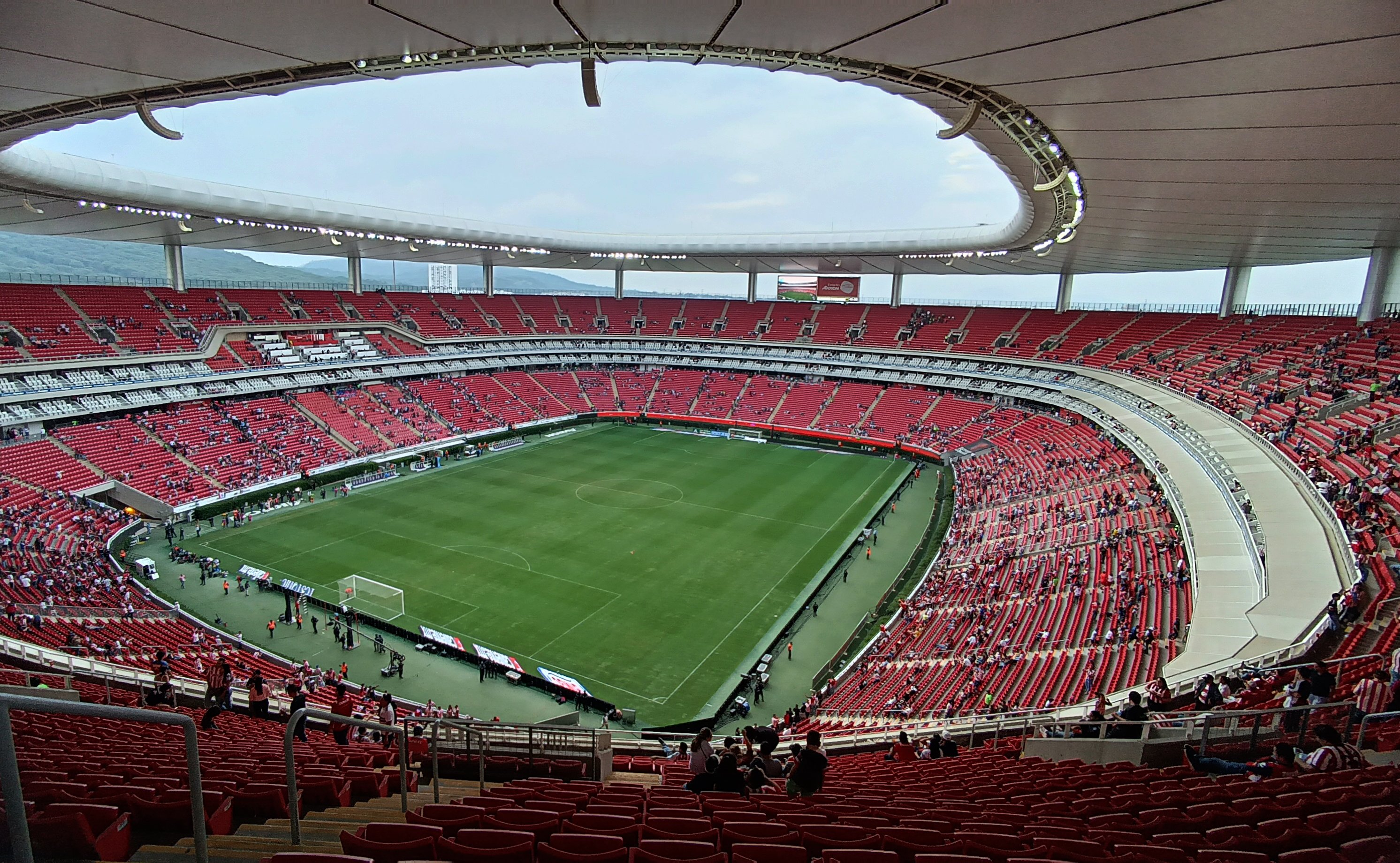
The red seats resemble a crater, while the white roof, supported by 16 pillars, looks like clouds floating over lava. The 2026 tournament will coincide with the beginning of the rainy season in Guadalajara. Located at an altitude of over 1600 meters, players may tire quickly.
- Estadio Azteca, Mexico City
It will host 5 matches. It has an open-type, permanent natural grass pitch with a capacity of 72,766. Opened in 1966, its time zone is 7 hours behind UK time, and the average June temperature is 24 degrees Celsius. With the opening match of the 2026 World Cup, like in 1970 and 1986, it will become the first historic stadium to host matches in three men's World Cups.
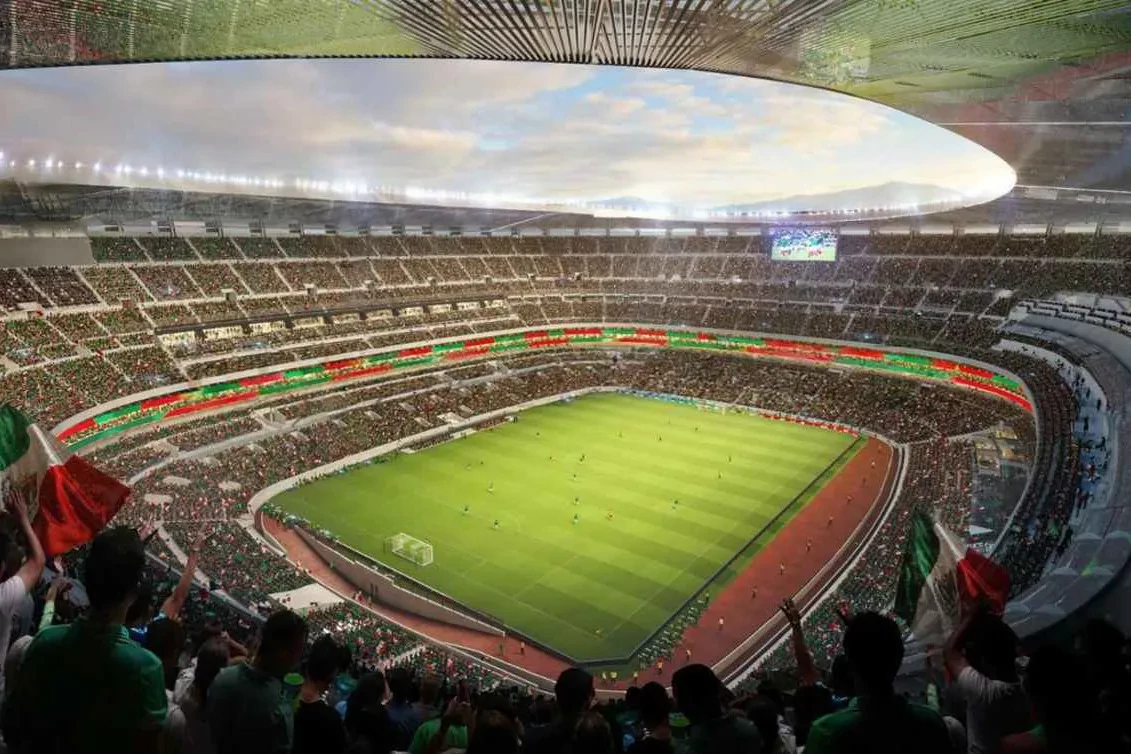
Diego Maradona's two goals against England (the first being the 'Hand of God') and Argentina's final victory in 1986 took place here. In 1970, Brazil also lifted the Jules Rimet Trophy here after defeating Italy. Renovation began in May 2024, and it will reopen in March 2026. Located at an altitude of 2,200 meters, Mexico City is not as hot as the other two host cities, but air pollution is often a problem. Thin air will test players' stamina, and the ball can travel faster and farther than at sea level.
- Estadio Monterrey (Estadio BBVA)
It will host 4 matches. It has an open-type, permanent natural grass pitch with a capacity of 50,113. Opened in 2015, its time zone is 7 hours behind UK time, and the average June temperature is 34 degrees Celsius.
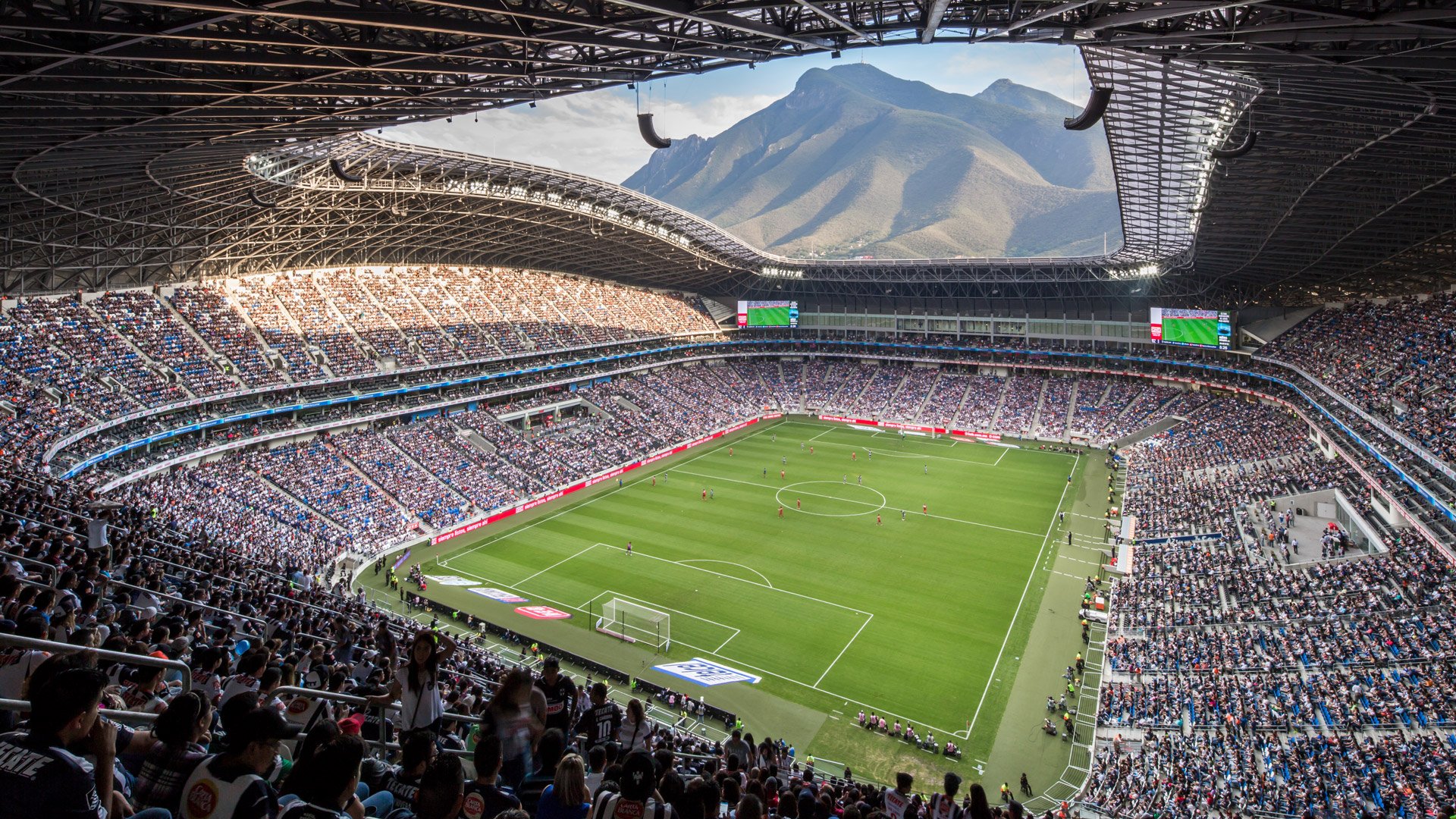
Nestled at the foot of the 1800-meter Cerro de la Silla mountain, the stadium offers a breathtaking view. Located 90 miles from the US border, Monterrey could be the hottest host city for the World Cup. Temperatures typically reach 34 degrees in June, but the heatwave in the summer of 2024 saw temperatures exceed 40 degrees Celsius here.
- Houston Stadium (NRG Stadium)
It will host 7 matches. With a retractable roof and temporary natural grass pitch, its capacity is 68,311. Opened in 2002, its time zone is 6 hours behind UK time, and the average outdoor temperature in June is 33 degrees Celsius. Built at a cost of $352 million, the stadium also has air conditioning, which is ideal for the heat and humidity of June and July.
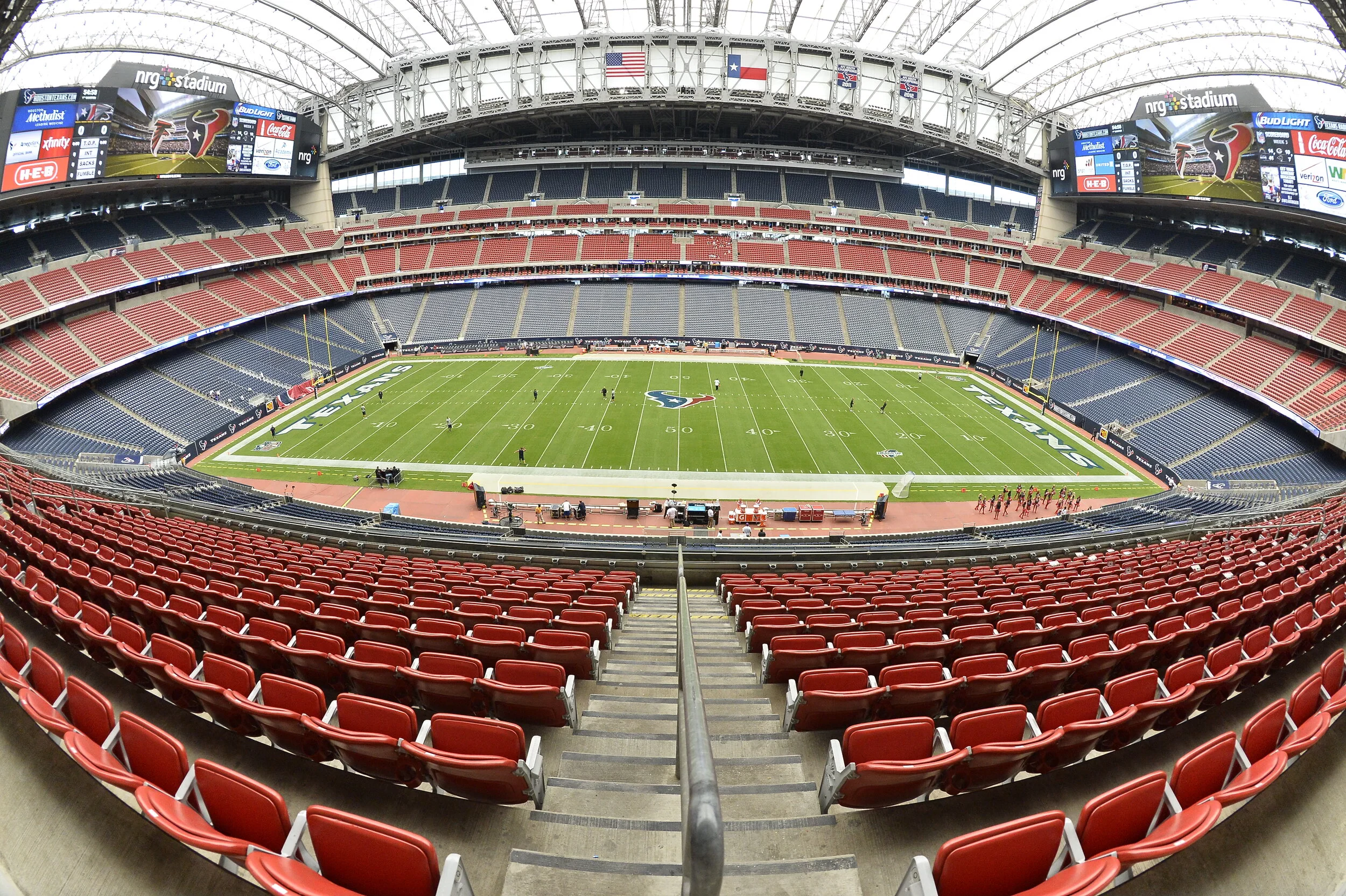
Although artificial turf was installed in 2015 after removing natural grass, temporary natural grass will be laid for the World Cup. It has hosted two Super Bowls in 2004 and 2017. Janet Jackson's breast was briefly exposed during the 2004 half-time show, and in 2017, Tom Brady led a historic comeback from a 28-3 deficit against the Atlanta Falcons.
- Dallas Stadium (AT&T Stadium)
It will host 9 matches. With a retractable roof and temporary natural grass pitch, its capacity is 70,122. Opened in 2009, its time zone is 6 hours behind UK time, and the average outdoor temperature in June is 33 degrees Celsius. This state-of-the-art stadium with air conditioning will host the most matches of the World Cup.
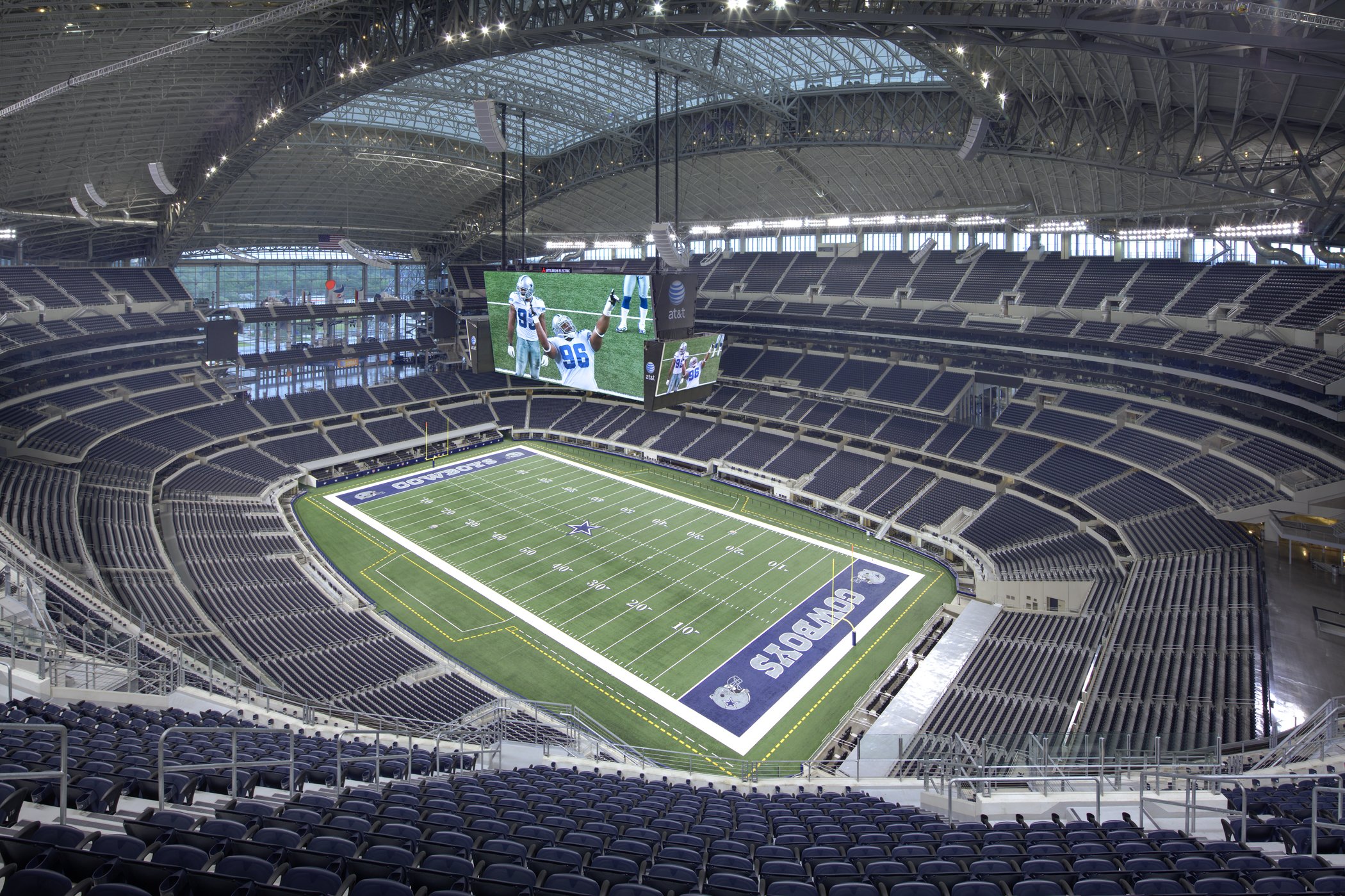
Although considered a strong contender for the final, it will ultimately host the first semi-final. It is the home ground of the 'America's Team', the most valuable sports franchise in the world, the Dallas Cowboys.
Built at a cost of $1.2 billion, the stadium is undergoing renovations costing an additional $295 million before the World Cup. Its massive size and futuristic design have led to comparisons with the 'Death Star' from Star Wars. Although the sun shining through the glass during games can affect players, owner Jerry Jones does not allow curtains to be drawn during matches. For the World Cup, however, it will operate as a fully seated stadium, and its capacity will be reduced.
- Kansas City Stadium (Arrowhead Stadium)
It will host 6 matches. It has an open-type, permanent natural grass pitch with a capacity of 67,513. Opened in 1972, its time zone is 6 hours behind UK time, and the average June temperature is 30 degrees Celsius.
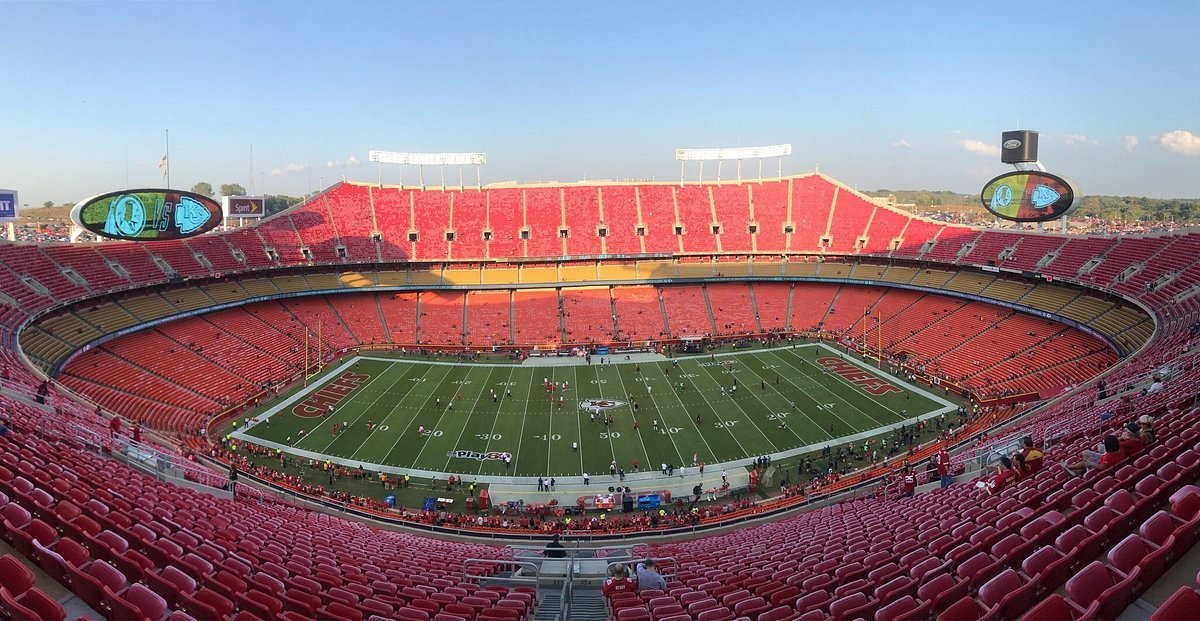
Located in the Midwest of the United States, Kansas City may not be as famous as other World Cup cities, but the atmosphere in its stadium is excellent. It is the third oldest stadium used by NFL teams and was renovated in 2010 at a cost of $375 million. The stadium is renowned for its acoustics, designed to amplify crowd noise and direct it towards the field.
Eastern Region
- Atlanta Stadium (Mercedes-Benz Stadium)
It will host 8 matches. With a retractable roof and temporary natural grass pitch, its capacity is 67,382. It opened in 2017.
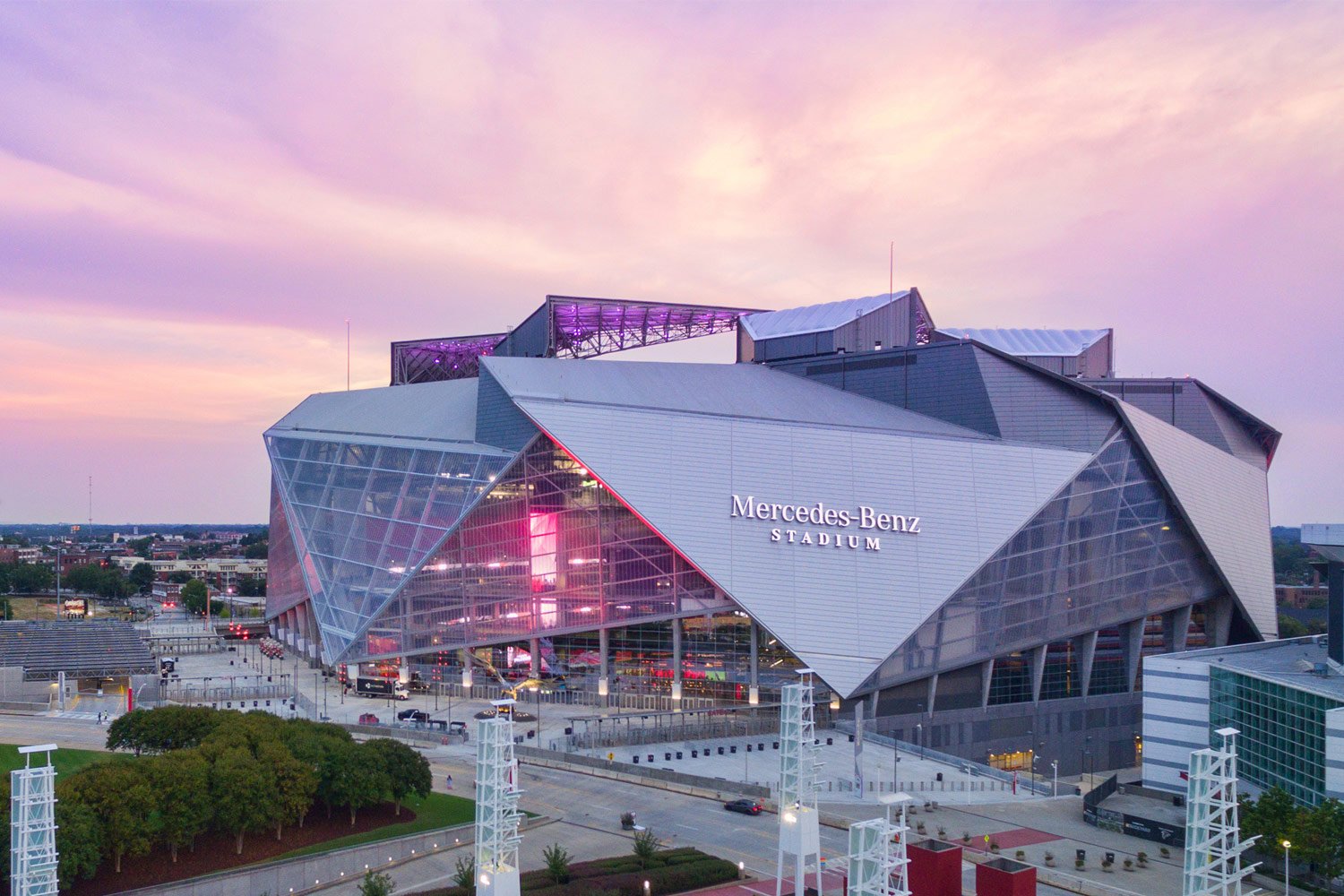
The average outdoor temperature in June is 30 degrees Celsius. Built at a cost of approximately $1.6 billion, this air-conditioned stadium features eight giant petals that open and close like a camera lens. Architects say its design was inspired by the Pantheon in Rome.
Another highlight is its 360-degree 'Halo' video screen, which is 327 meters long and uses over 30 million LEDs. It will host eight matches, including the second semi-final of the World Cup. While it typically uses artificial turf, temporary natural grass will be laid for the World Cup. Unlike most stadiums in the US, which are located on the outskirts of cities, this one is situated in the heart of the city.
- Miami Stadium (Hard Rock Stadium)
It will host 7 matches. It has an open-type, permanent natural grass pitch with a capacity of 64,091. It opened in 1987.
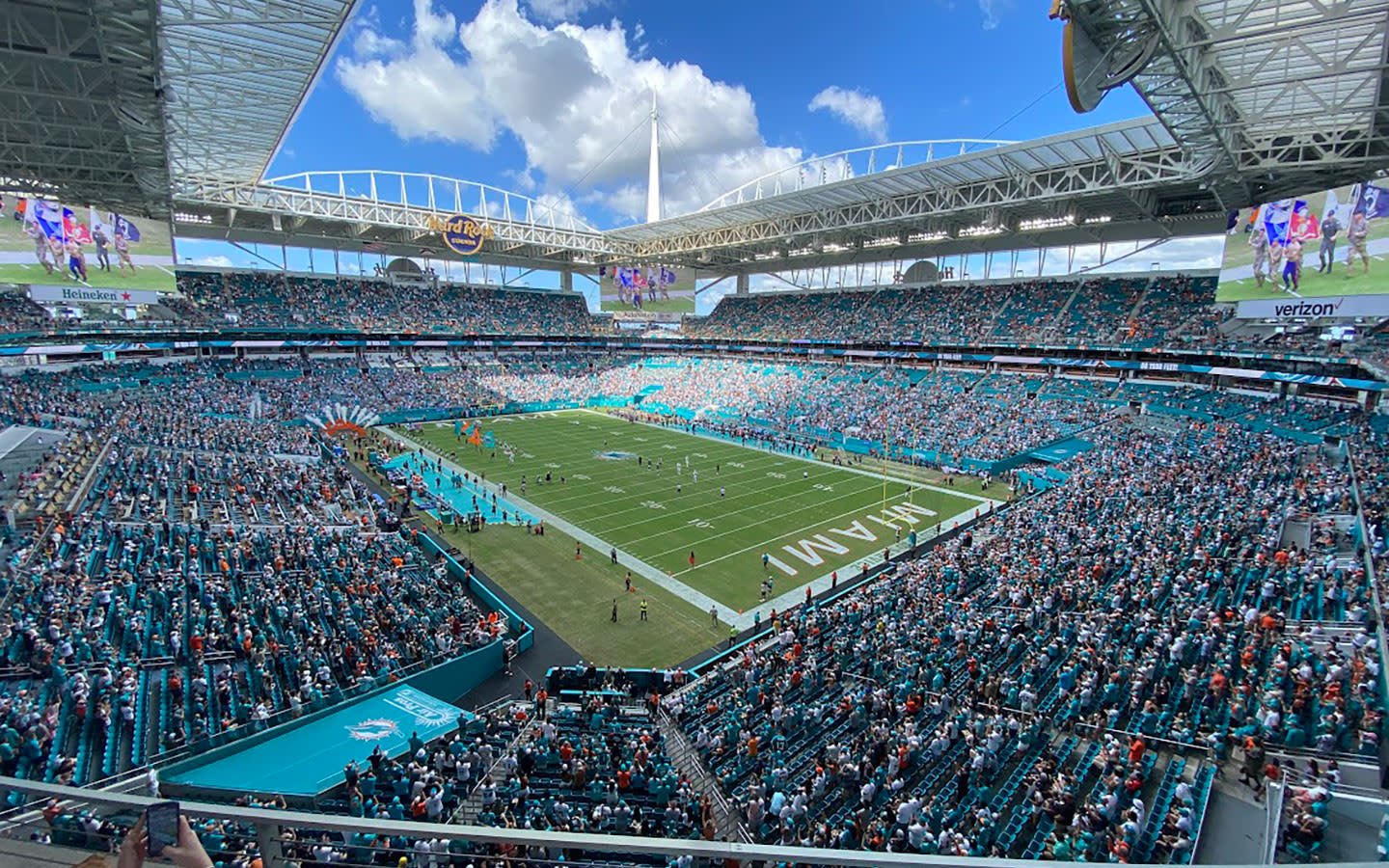
The average temperature in June is 31 degrees Celsius. The weather in Miami is the biggest concern, as playing football in its extreme heat and humidity can be very uncomfortable. It lacks the retractable roof and air conditioning found in Atlanta, Houston, and Dallas.
Playing matches only in the evening could be an option to avoid the heat. Even at 8 PM local time during the opening match of the 2025 Club World Cup, the temperature was 28 degrees Celsius. The stadium complex has also hosted the Formula 1 Grand Prix since 2022.
- Toronto Stadium (BMO Field)
It will host 6 matches. It has an open-type, permanent natural grass pitch with a capacity of 44,315. It opened in 2007.
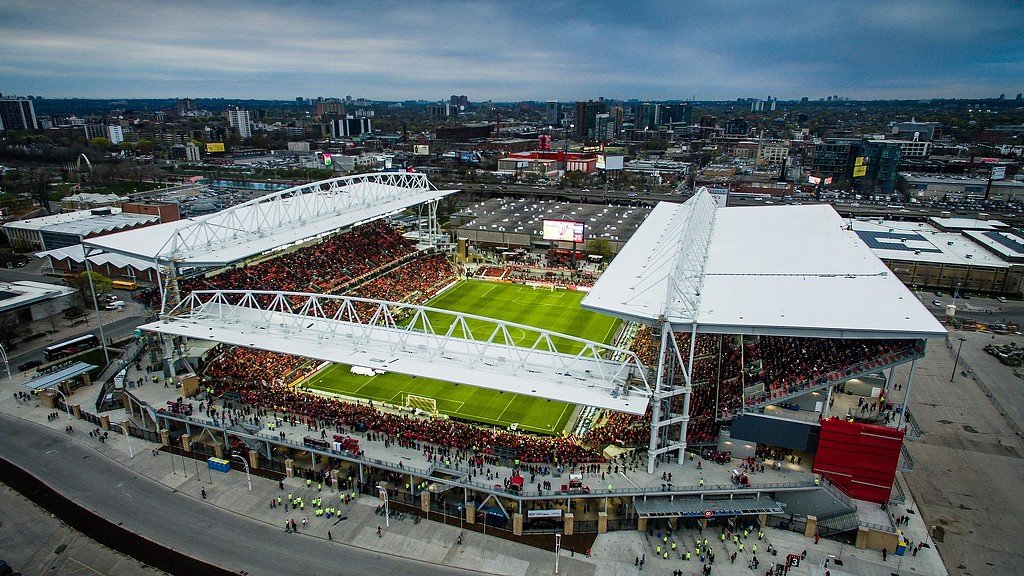
It is 8 hours behind UK time, and the average June temperature is 23 degrees Celsius. Canada's national team will begin its World Cup campaign here on June 12 and play its remaining two group stage matches in Vancouver. Located on the western shore of Lake Ontario, the stadium was built for the 2007 FIFA U-20 World Cup. For the World Cup, 17,000 temporary seats will be added to the north and south stands, increasing its capacity.
- Boston Stadium (Gillette Stadium)
It will host 7 matches. It has an open-type, temporary natural grass pitch with a capacity of 63,815. Opened in 2002, the average June temperature is 26 degrees Celsius.
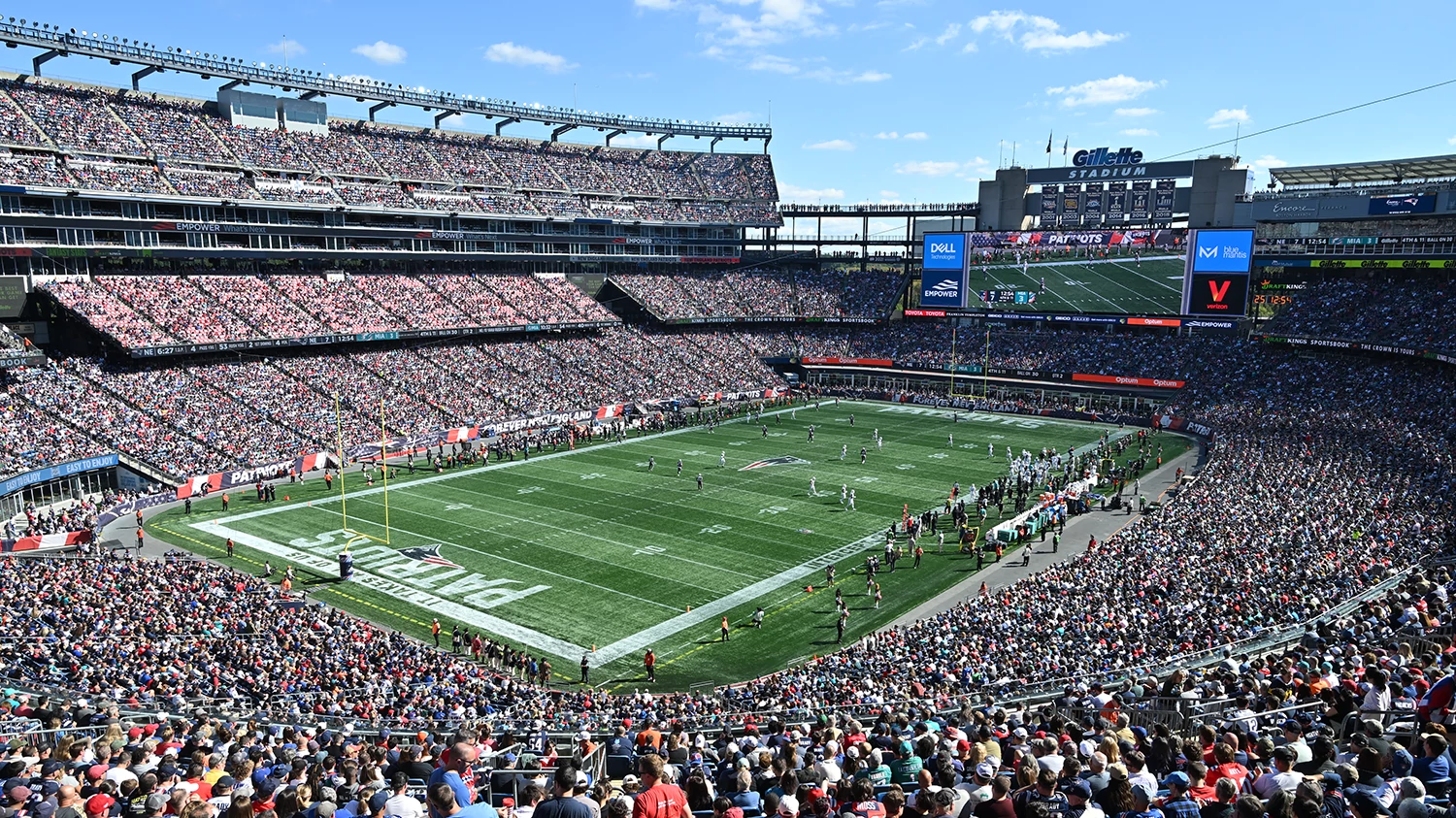
Located in Foxborough, 20 miles southwest of Boston, the stadium was renovated in 2023 at a cost of $250 million. A 66-meter-high artificial lighthouse has been built here to reflect Massachusetts' maritime heritage, which operators claim is the tallest non-traditional lighthouse in America. A bronze statue of legendary former player Tom Brady was installed next to the lighthouse in August 2025.
- Philadelphia Stadium (Lincoln Financial Field)
It will host 6 matches. It has an open-type, permanent natural grass pitch with a capacity of 65,827. Opened in 2003, its time zone is 5 hours behind UK time, and the average June temperature is 28 degrees Celsius.
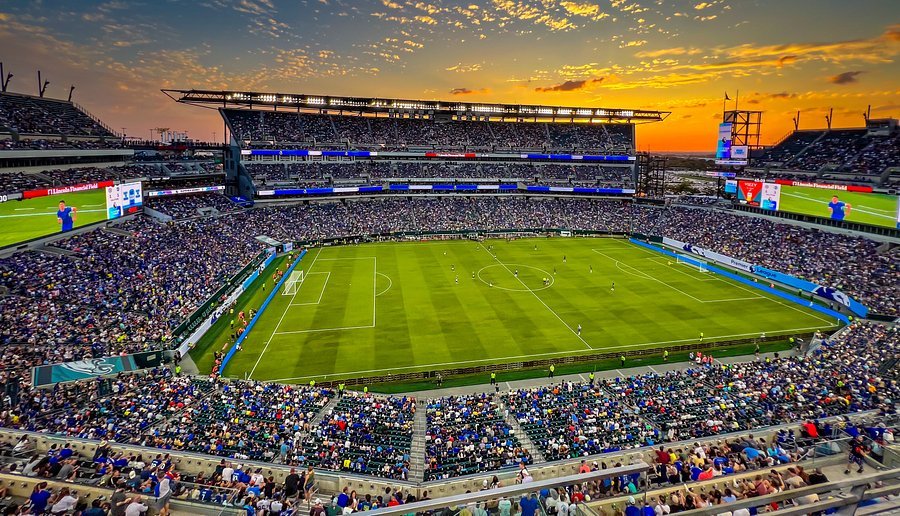
This open stadium is considered one of the most environmentally friendly stadiums in the NFL. It has over 10,000 solar panels installed, which generate about one-third of the stadium's annual electricity consumption. Known to fans as 'The Link', the stadium is part of the 260-acre South Philadelphia Sports Complex.
- New York New Jersey Stadium (MetLife Stadium)
It will host 8 matches. It has an open-type, temporary natural grass pitch with a capacity of 78,576. It opened in 2010.
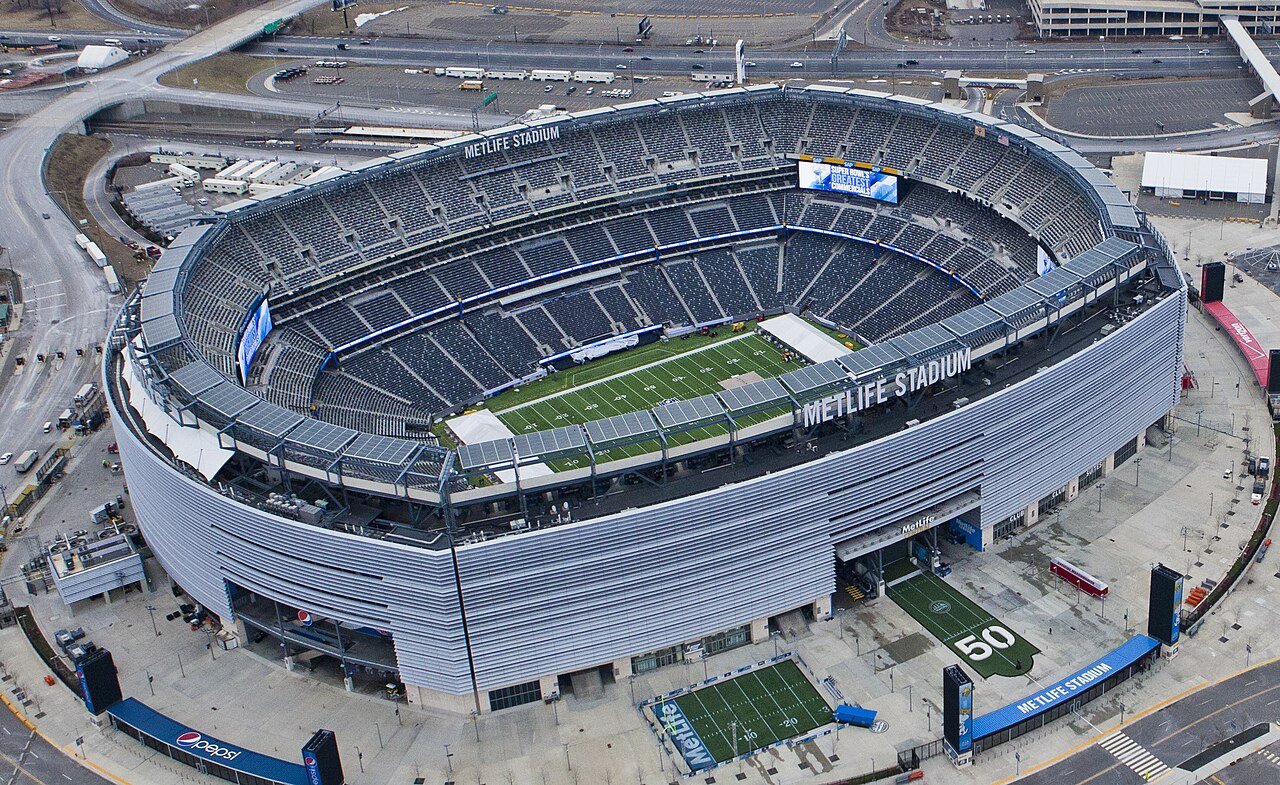
This stadium, with the largest capacity in this World Cup, has the opportunity to host the World Cup final match, surpassing Dallas. It is located in East Rutherford, New Jersey, but being only 5 miles from Manhattan, FIFA has named it 'New York New Jersey Stadium'.
Built at a cost of $1.6 billion, the plan to build a retractable roof was canceled due to budget constraints. The artificial turf pitch here has a poor reputation, with many players suffering serious injuries.
After Giants player Malik Nabers suffered a torn knee ligament in September, he became the latest victim of the 'MetLife curse'. Many players and coaches believe natural grass is safer, but there are no plans to keep the temporary natural grass pitch laid for the World Cup after the tournament.
This specific news has been automatically translated by AI. As a result, there may be some inaccuracies or language errors.