
RSP Chairman Ravi Lamichhane Holds High-Level Political Meetings in India; Border Dispute Unaddressed


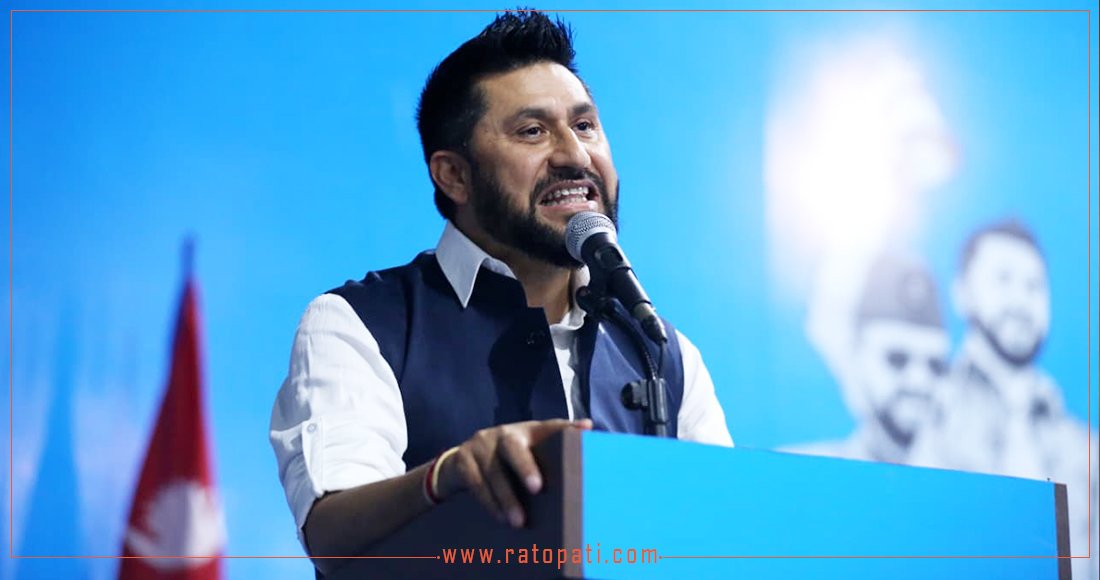
Kathmandu. Chairman of the Rastriya Swatantra Party (RSP), Ravi Lamichhane, who is on a visit to neighboring India, has intensified high-level political meetings in New Delhi. However, the sensitive border dispute between Nepal and India did not feature in any of the high-level meetings held throughout the day.
Amidst ongoing discussions between Nepal and India on border demarcation and the Sugauli Treaty map, the visit of a major ruling party leader to India and the non-raising of the border issue during the trip is being viewed with significance.
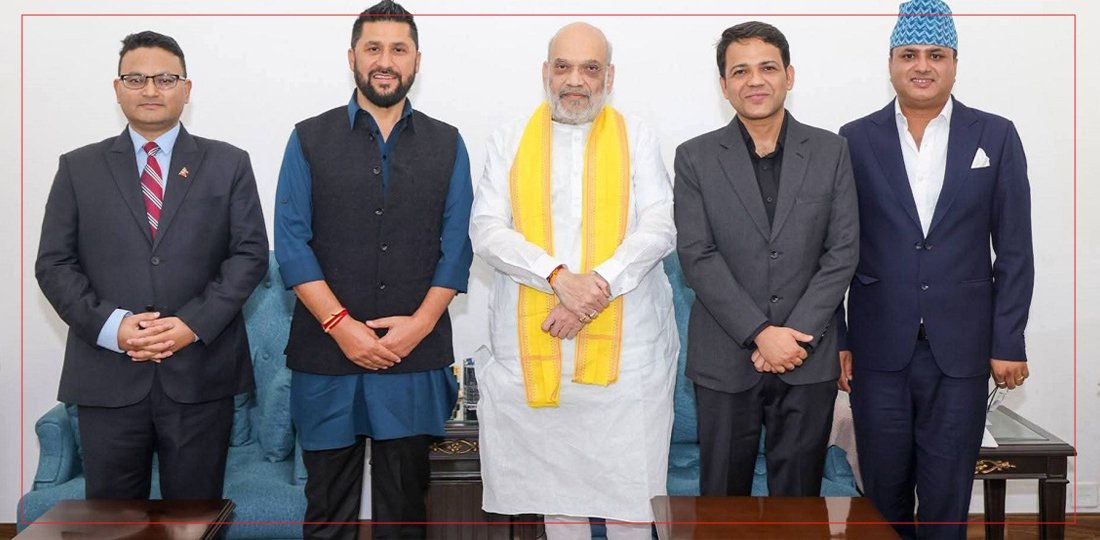
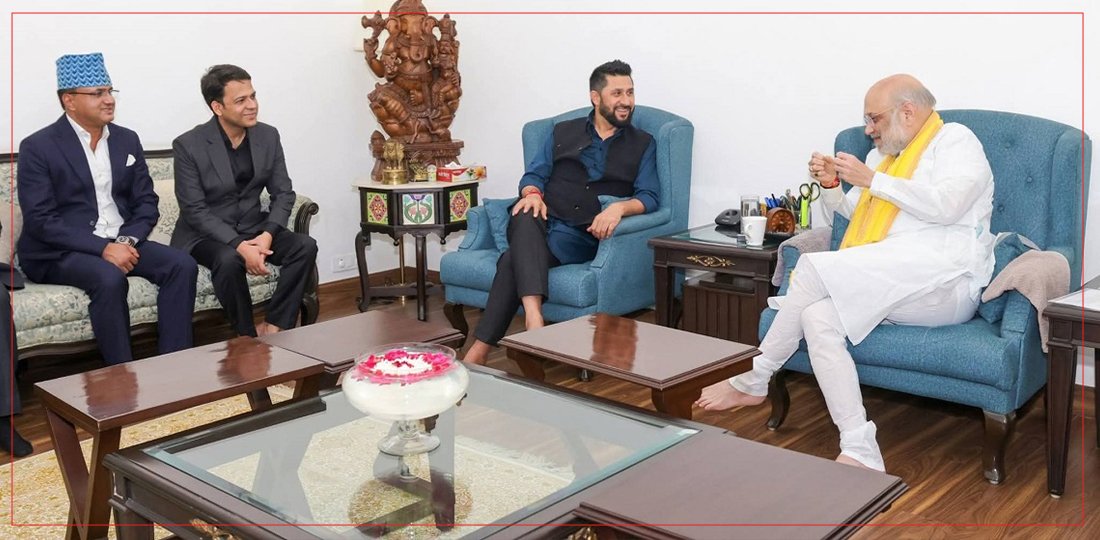
During the visit, Chairman Lamichhane held a special meeting with Indian Home Minister Amit Shah. Home Minister Shah, considered powerful in Indian politics, has rarely held bilateral meetings with leaders of foreign parties in his seven-year tenure. Therefore, this meeting between Lamichhane and Shah is being closely watched in political circles.
According to the Nepali Embassy in New Delhi, the meeting discussed further strengthening cross-border connectivity between the two countries, controlling criminal activities in border areas, and enhancing bilateral cooperation in disaster management. While both leaders emphasized strengthening the traditional friendly relations between Nepal and India and expanding cooperation in security and infrastructure, sources claim that the border dispute was not discussed.
Similarly, Chairman Lamichhane also met with Indian Foreign Minister S. Jaishankar today. Indian Foreign Secretary Vikram Misri was also present at the meeting held at the Ministry of External Affairs. After the meeting, Foreign Minister Jaishankar informed via social media that discussions were held on Nepal-India development partnership and people-to-people relations. However, he also did not mention anything about the border dispute.
Chairman Lamichhane also met with Bharatiya Janata Party (BJP) leader Nitin Naveen today. The meeting focused on relations between political parties of the two countries and organizational expansion.
BJP leader Naveen discussed the historical and close relationship between India and Nepal based on shared civilization, culture, and strong people-to-people ties. He expressed the view that such visits would help further strengthen the party-to-party relations between RSP and BJP. He informed Lamichhane about the BJP's organizational structure from the central level to the booth level, the party's journey, ideology, and political engagement.
In response, RSP Chairman Lamichhane showed interest in the BJP's digital membership process, candidate selection system, and the party's mechanism for identifying and connecting with grassroots workers.
While Chairman Lamichhane was busy with meetings, the Indian Ministry of External Affairs released its stance on the border dispute.

In a regular press conference, spokesperson Randhir Jaiswal clarified that the border dispute between Nepal and India would be resolved jointly by the two countries, and there was no need for any 'third party'. Claiming that 98 percent of the border demarcation with Nepal has been completed, he stated that the remaining disputed areas would be resolved through discussions via established bilateral mechanisms.
Spokesperson Jaiswal also stated that India has 'taken note' of the statement made by the Prime Minister of Nepal. Prime Minister Balen Shah's statement, made for the first time in Parliament in his capacity as Prime Minister during a question-and-answer session with MPs, has now become controversial.
The Indian Ministry of External Affairs reacted to the statement made by Prime Minister Balen regarding the Nepal-India border and the development situation in China during his response to questions raised by MPs in the House of Representatives last Sunday.
While responding to a question from MPs about the Lipulekh, Limpiyadhura, and Kalapani dispute, Prime Minister Balen made a controversial statement that Nepal has also encroached upon Indian territory. He said in Parliament, 'You might be surprised to know that India has not only encroached upon Nepal's land, but Nepal has also encroached upon India's land in many places.'
Prime Minister Shah informed that the Nepali government had officially sent a 'diplomatic note' to the Indian government regarding Lipulekh and Limpiyadhura, and a response had also been received. 'Since the problem has persisted since the time of British India's departure, we have also discussed this with the British government. Both governments have agreed to resolve this diplomatically through 'table talk' by involving their historians and surveyors,' the Prime Minister said.


While Prime Minister Balen Shah's statement on the border has created political ripples in both Nepal and India, this visit by ruling party leader Lamichhane to India has been significant. Therefore, the Nepali public and political analysts had high expectations for serious discussions on the border issue during this visit.
Although the border issue was overshadowed in today's meetings, there are still expectations that Chairman Lamichhane will discuss the border issue in his meeting with Indian Prime Minister Narendra Modi tomorrow.
This specific news has been automatically translated by AI. As a result, there may be some inaccuracies or language errors.
_fkg5u05PqN.jpg)


_6BsDewPY2j.jpg)