US and Iran Near Ceasefire Extension and Sanctions Relief Deal
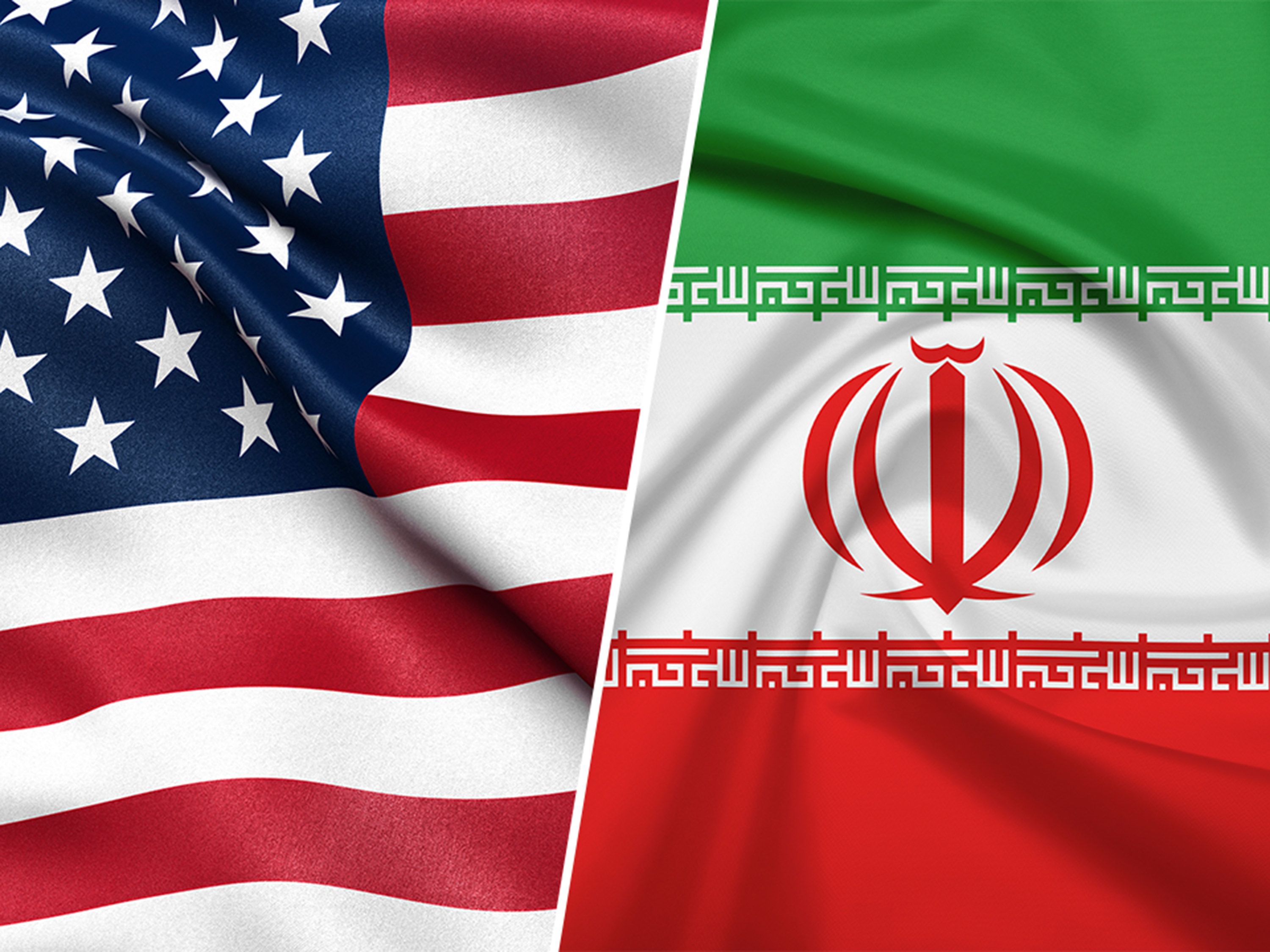
Cairo. International news agency Reuters has reported, citing sources, that the United States and Iran have reached an agreement on Thursday to extend the ceasefire and lift sanctions on shipping through the Strait of Hormuz.
However, US President Donald Trump has not yet approved it. Iranian state media has also stated that the agreement has not been finalized.
According to four sources familiar with the agreement, the proposed arrangement would extend the ceasefire for another 60 days, allow unimpeded passage of traffic through the Strait of Hormuz, and negotiators would work on difficult issues such as Iran's nuclear program.
If approved by the leadership in Washington and Tehran, this agreement would be the biggest step towards peace since the conflict began on February 28, 2026. The news of a potential agreement comes after recent retaliatory attacks between the two countries. Previously, the US had unilaterally announced a ceasefire in April.
Trump has not yet approved the agreement. Iran has also not officially responded to it. Earlier, Axios had reported that the US and Iran had reached an agreement on extending the ceasefire. Iran's Tasnim News Agency, quoting a source close to the negotiating team, stated that the details of the agreement have not yet been finalized and confirmed.
“We are not there yet, but we are very close and we are working continuously,” said US Vice President JD Vance to reporters in Washington. “I cannot guarantee that an agreement will be reached, but the situation looks positive right now,” he added. The Trump administration had previously claimed that the end of the war was near, but Iran had denied or underestimated those claims.
Under the agreement, shipping through the Strait of Hormuz would be fully opened. Additionally, the US would lift the blockade on Iranian ports and some sanctions on Iranian oil sales would be eased.
Following this news, the price of crude oil has fallen in the global market. The Strait of Hormuz is a waterway through which about 20 percent of the world's oil and liquefied natural gas is transported. After the US and Israel attacked Iran on February 28, Iran obstructed oil shipments through this route. This caused crude oil prices to skyrocket in the global market.
Earlier, the US Central Command (CENTCOM) had stated that it had shot down five Iranian drones and struck the control center of a sixth drone that was about to be launched at Bandar Abbas port. After that, Kuwait said that a ballistic missile launched towards its territory was stopped. There were also reports that Iran attacked a large US military base in Kuwait in retaliation for the attack on Bandar Abbas port.
The Islamic Revolutionary Guard Corps (IRGC) stated that the US base responsible for the Bandar Abbas attack was targeted and warned of a stronger response if such an incident occurred again, according to Tasnim News Agency.
US officials described these attacks as defensive measures aimed at maintaining the ceasefire. Although limited in scope, these incidents highlight how fragile the effort to transform the ceasefire into a long-term peace agreement is. The ongoing conflict in Iran has claimed thousands of lives and significantly impacted the global energy market.
Trump has been saying since March that the end of the war is near. However, no concrete agreement has been publicly reached between the two sides yet. Iran has been demanding the lifting of sanctions, the release of foreign assets, and the withdrawal of US troops from the region.
The US insists that Iran must completely shut down its nuclear program. Iran claims that its nuclear program is for peaceful purposes.
This specific news has been automatically translated by AI. As a result, there may be some inaccuracies or language errors.