Cancer Drug Shortage Hits BP Koirala Cancer Hospital

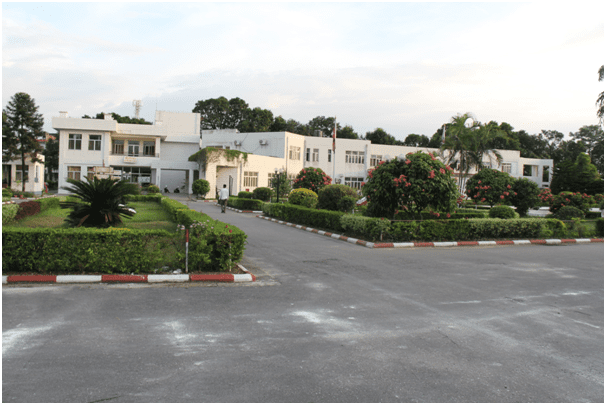
Chitwan. There is a shortage of cancer drugs at BP Koirala Memorial Cancer Hospital, the largest cancer treatment hospital in Nepal. Some cancer treatment drugs, affected globally, are out of stock at the hospital.
According to Dr. Gurusharan Shrestha, Head of the Medical Oncology Department at the hospital, there is currently a global shortage of important drugs used in cancer treatment. He stated that BP Koirala Memorial Cancer Hospital has also been directly affected. He said, "The shortage of medicines not only reduces the effectiveness of chemotherapy but also poses serious risks to patients' health due to illegal smuggling in the market and the use of substandard drugs."
Dr. Shrestha said that there is a severe shortage of drugs called carboplatin and cisplatin. He stated that this shortage is not only in Nepal but also global. He said, "The main reason for this is the global shortage of API, i.e., the main components, required to make these drugs. Oxaliplatin may also be in short supply in the near future."
Dr. Shrestha said that these drugs are used as a main basis when planning cancer chemotherapy, and added, "Without these drugs, the chemotherapy regimen is not completed, and the effectiveness that chemotherapy should show is being severely negatively affected." He warned that this could lead to a decrease in the cancer cure rate as patients are deprived of quality treatment.
He mentioned that some patients are bringing medicines from neighboring countries or outside shops, but these medicines are found to be unregistered with the Drug Management Department, with seals broken, and brought by evading customs. Dr. Shrestha said, "The biggest risk is temperature; most cancer drugs need to be kept below 25 degrees Celsius. However, in a hot place like Chitwan, medicines carried in bags at temperatures of 36-37 degrees have reduced effectiveness, which can cause more harm than good."
He stated that about 200 patients have to undergo chemotherapy daily in the hospital's day-care and ward, and that main drugs like carboplatin and cisplatin cannot be easily replaced by other drugs. He said, "With no medicines available, we are forced to compromise on treatment, which is affecting the quality of treatment."
He said that most medicines are provided through insurance at the hospital, but it has been found that some outside pharmacies stipulate that all other medicines must be purchased from their own shops to provide the unavailable medicines (carboplatin, cisplatin). Dr. Shrestha said, "This is a violation of patients' rights and adds an unnecessary financial burden to patients." He demanded that the Drug Management Department and the Government of Nepal strictly monitor such illegal smuggling and the irregularities in the market.
Dr. Shiva Ji Poudel, former Executive Director of the hospital, said that the supply of carboplatin and cisplatin was stopped six months ago, and the hospital had a stock of cisplatin for three months until recently, but it is no longer available. Dr. Poudel said, "We had carboplatin in stock until Jestha 2, but that too has now run out." He stated that the supplying company sent them a letter stating that production has been stopped due to raw materials.
He expressed hope that the hospital will receive medicines soon, as some suppliers have imported enough medicines for two to three months for Nepal from another Bangladeshi company.
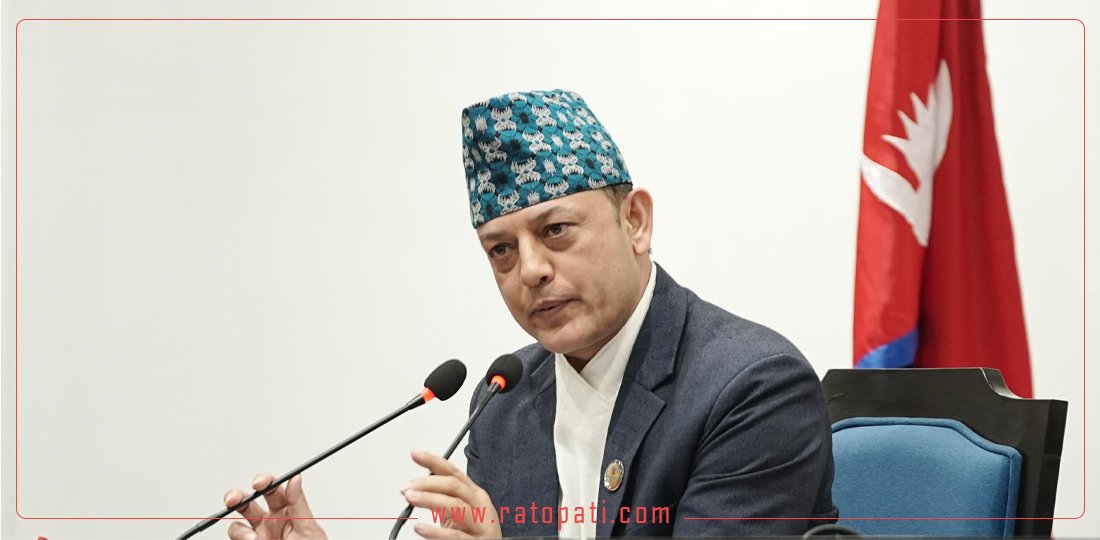
Dr. Umesh Nepal, Acting Executive Director of the hospital, said that carboplatin and cisplatin are not available at their facility. He said that the Ministry of Health has been informed about this, and a letter has been sent requesting the World Health Organization (WHO) to send them as well. He stated that the department has carboplatin and cisplatin for free use by children, and a request has been made to send these medicines for use by other patients as well.
Dr. Nepal said, "These medicines, used free for children, have near expiry (expiring by September-October 2026). We have requested permission to use these medicines for other patients as well." He said that permission is needed to use these medicines, which are part of a separate project, for patients other than children.
He said that they also have a small quantity of such medicines, and he has been informed that the Department of Health Services also has some quantity of these medicines. Dr. Nepal said that if the department sends permission to use these medicines, they can be made available to other patients for some time.
This specific news has been automatically translated by AI. As a result, there may be some inaccuracies or language errors.