Nepal Postpones LDC Graduation to Developing Country Status


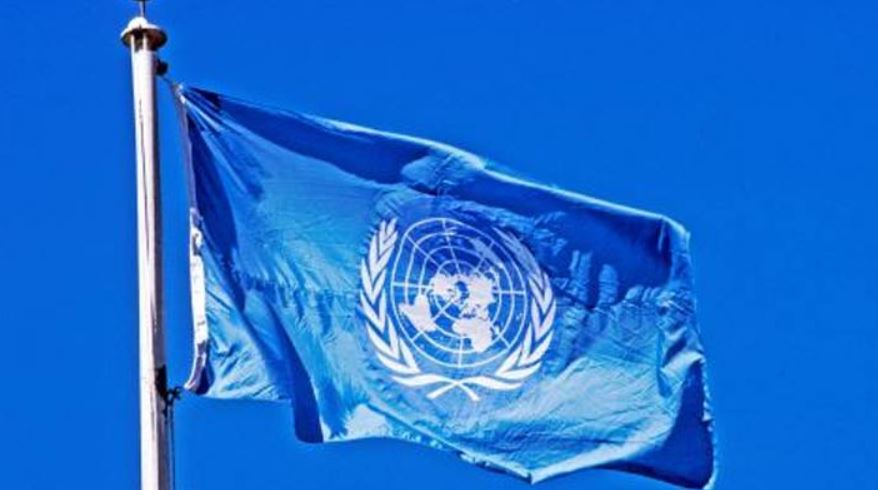
Kathmandu. Nepal has postponed its program to graduate from Least Developed Country (LDC) to Developing Country for the time being. The government has decided not to advance this process for now, citing the increasing global conflicts and the resulting economic challenges as the main reasons. At a regular press conference organized by the Ministry of Foreign Affairs today, spokesperson Lok Bahadur Kshetri informed that the matter of graduating from the list of Least Developed Countries to Developing Countries has been postponed for now. Nepal had previously set a target to graduate to the status of a developing country by November 2024. However, due to the prevailing adverse circumstances, this target has been pushed back to November 2029. Spokesperson Kshetri clarified that Foreign Minister Shishir Khanal has already formally informed the United Nations (UN) about this decision. The ministry has cited the adverse internal and external economic indicators as the primary reasons for postponing the graduation process. The ministry's conclusion is that global conflicts have severely impacted supply chains, foreign employment has declined, and remittance flow has also been affected. Furthermore, the World Bank's projection that Nepal's economic growth rate will not exceed 2.3 percent has become another challenging factor. Upon graduating to a developing country, Nepal risks losing trade facilities such as customs duty exemption and quota-free access that it currently enjoys in the international market as a least developed country. The government assesses that losing these facilities in the current situation could lead to further crisis in the Nepali economy. Additionally, spokesperson Kshetri stated that Nepal has been compelled to postpone the graduation program due to the increasing geopolitical complexities and the long-term impact of COVID-19 hindering economic recovery.
*Corrected
This specific news has been automatically translated by AI. As a result, there may be some inaccuracies or language errors.


_sCLDfWVnnm.jpg)