Construction Sector Faces Unprecedented Crisis Amidst Soaring Material Costs and Government Pressure


Kathmandu. The construction sector, considered the backbone of Nepal's economy, is currently going through the most severe and unprecedented crisis in its history. Construction entrepreneurs across the country have taken to the streets protesting against the exorbitant price hike in construction materials, rising fuel costs, and what they call the government's 'oppressive' behavior.
Due to the 'Construction Holiday' announced by the Federation of Contractors' Associations of Nepal (FCAN), thousands of small and large development projects across the country have come to a standstill.
FCAN recently submitted a memorandum to the secretaries of all development ministries, outlining their demands and warning that they will not return to work sites until prices are adjusted. This has made national pride projects worth billions, as well as local road and bridge construction works, uncertain.
Entrepreneurs are protesting, demanding scientific price adjustments in all types of contracts, that contractors whose work has stopped not be blacklisted, and that project deadlines be extended and budgets managed.
Allegations of State's 'Bullying' Style Against Entrepreneurs
Nikolash Pandey, President of FCAN, has made serious allegations that the state is engaging in 'bullying' tactics against entrepreneurs. In a conversation with media personnel, he lamented that project chiefs and engineers are treating construction entrepreneurs like criminals.

'Currently, project chiefs are issuing threatening letters to entrepreneurs,' said Chairman Pandey. 'When we talk about price adjustment, they mentally harass us by saying, 'You work, do it somehow, or your bank guarantee will be confiscated and you will be blacklisted'.'
Pandey revealed that due to such pressure and insecurity from the state, some entrepreneurs are becoming afraid to stay in Nepal and are starting to migrate to India. He added, 'When friends feel insecure working in their own country, they are starting to see migrating to India as safer. This is a matter of shame for the state.'
Nepal's Public Procurement Act clearly has provisions for price adjustment. It is a rule that if the price increases in a contract longer than one year, it will be automatically adjusted, and in contracts shorter than one year, a price increase of more than 10 percent should be addressed. However, entrepreneurs complain that the government machinery has been ignoring this in practice.
According to Chairman Pandey, although the contractor who bids the lowest gets the contract, government officials force them to sign the agreement under the condition that they will not receive price adjustments. 'If they don't sign the agreement, they are threatened with forfeiture of their deposit and blacklisting,' he said. 'This is blackmailing entrepreneurs by putting them in a bind.'
He argued that the 'bullying' by employees is more evident in small contracts and road projects, and the burden of diesel price increases has been deliberately ignored.
Unusual Price Hike in Construction Materials
Ravi Singh, the immediate past president of FCAN, stated that the main reason for the collapse of the construction industry is the market going out of control. According to him, the price increase in bitumen, which is mandatory for road construction, is unusual.
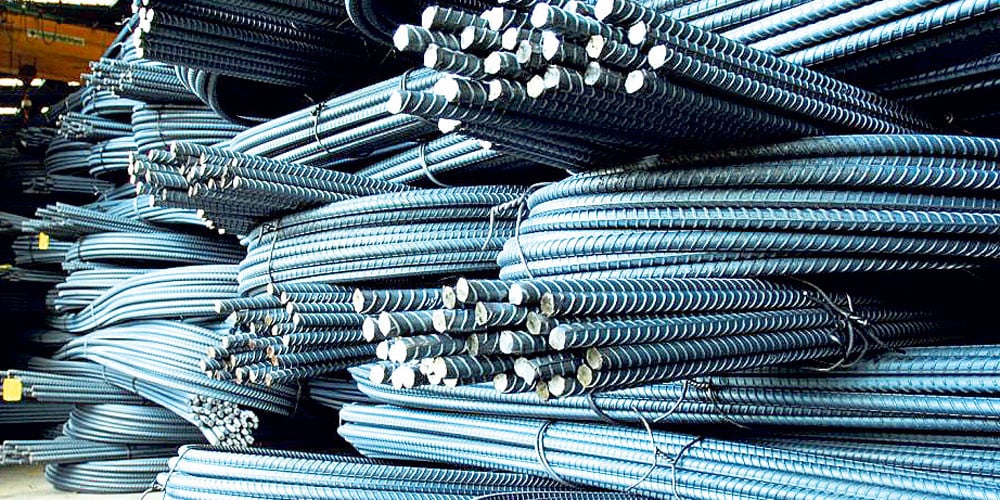
'The price of bitumen, which used to cost 85 rupees per kg, has now reached 185 rupees, which is an increase of about 120 percent,' said Singh. He informed that even with the price increase, the cost of projects has increased by 30 to 40 percent due to its unavailability in the market. He accused the state of terrorizing entrepreneurs and holding them hostage instead of facilitating them.
'In India, the government decided to bear the burden of price increases and saved the construction sector, but our government is trying to finish off the entrepreneurs,' Singh expressed his anger.
Labor Shortage, Wave of Entrepreneur Migration
According to Singh, the construction sector is facing an extreme shortage of manpower along with price increases. In the past, 7 to 8 lakh Indian laborers were employed in construction projects in Nepal, but they have returned to their country due to the increase in fuel prices and the deteriorating work environment.
_LtjOMCmsEa.jpg)
The situation where Nepali youth are migrating to Gulf countries and construction entrepreneurs themselves are leaving their profession to go abroad will certainly have a long-term impact on the country's infrastructure development. According to Singh, mid-level entrepreneurs are migrating to Europe and America, while small entrepreneurs are forced to migrate carrying the burden of debt.
Government Positive Towards Entrepreneurs' Demands, But Work Stoppage Adds to State's Burden
Gopal Sigdel, Secretary at the Ministry of Physical Infrastructure and Transport, said that the government is positive about the demands of construction entrepreneurs. Responding to the protests by construction entrepreneurs for the past few days demanding price adjustments and deadline extensions, Secretary Sigdel gave this reaction.
Secretary Sigdel stated that going on strike by completely halting construction work is not a solution. He said, 'Whatever is stipulated in the contract agreement with the entrepreneurs will be followed. Work should not be stopped. The ministry is providing facilitation from its side.'
He informed that the government is discussing finding a way out even for agreements where there is no provision for price adjustment. He stated that they will proceed in coordination with the Ministry of Finance and the Ministry of Law. 'There is no problem with the provisions in the contract, but we are positive about how to find a way out where there is no provision,' he added.
He admitted that the state will incur additional financial burden due to the increased prices of construction materials like diesel and bitumen. However, he clarified that the extent of this burden will only be known after a detailed study. He said, 'There is an automatic system where prices increase when they rise and decrease when they fall, so entrepreneurs do not need to worry too much.'
He also drew attention to the fact that the state's liability increases when work is not completed on time. He said that problems will increase if work that should be completed in two years takes four to five years, and that they will proceed by considering past decisions. Construction entrepreneurs, however, are demanding price adjustments according to the price increase and extension of deadlines for stalled projects.
This specific news has been automatically translated by AI. As a result, there may be some inaccuracies or language errors.