Nepal Debates Establishing Chemical Fertilizer Factory Amidst Decades-Old Discussion


Kathmandu. The debate on establishing a chemical fertilizer factory in Nepal has once again surfaced. For decades, lawmakers have been emphasizing the need to produce fertilizer domestically to solve this persistent problem.
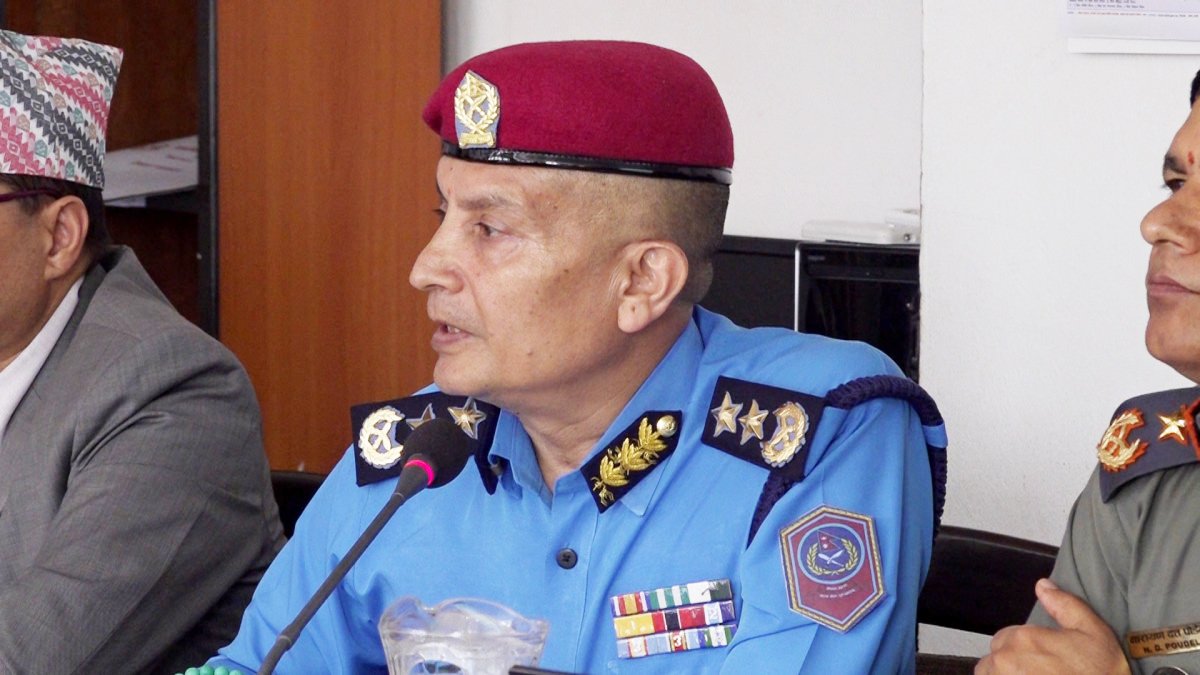
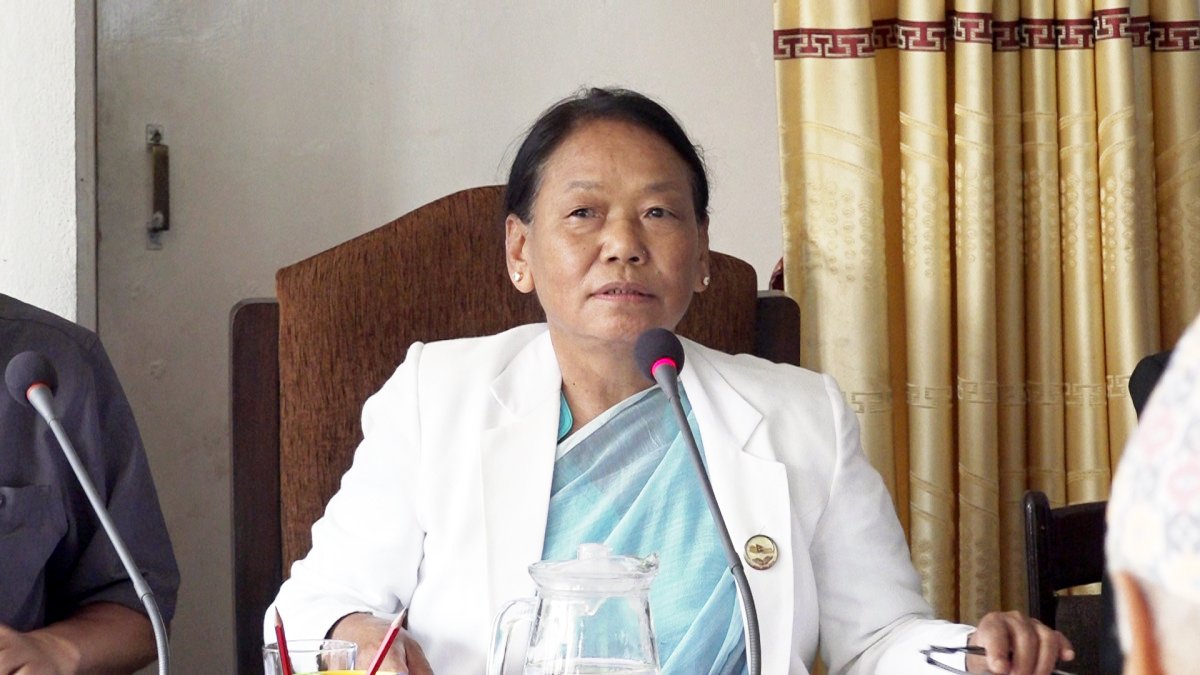
In a meeting of the Agriculture, Cooperative and Natural Resources Committee of the House of Representatives held at Singha Durbar on Friday, lawmakers demanded the adoption of new technology to preserve soil fertility and end dependency.
Parliamentary Committee Ignites Debate
At the meeting, National Independent Party (Rastriya Swatantra Party) lawmaker KP Khanal expressed the view that Nepal should utilize its abundant hydroelectricity production for fertilizer production through 'green hydrogen' technology. He stated, 'It is a disgrace that citizens who are currently feeding themselves by playing in the soil have to come to Singha Durbar for fertilizer. If Israel can make gold from sand, there is immense potential for production in our mountains, hills, and plains; the Ministry of Agriculture must address this with competence.'
National Prajatantra Party lawmaker Tahir Ali Bhat said that the government should bring a concrete 'roadmap' to end the annual suffering of farmers due to fertilizer shortages. He argued that establishing a domestic fertilizer factory is essential to honor the agricultural profession and prevent youth migration. Similarly, Nepali Congress lawmaker Geetakumari Sendang suggested expediting imports to address immediate shortages while also bringing policies to increase production by leasing barren land to landless people.
Four-Decade-Old Unfulfilled Dream
The discussion about opening a fertilizer factory in Nepal is 40 years old. The Japan International Cooperation Agency (JICA) first studied this in 2041 BS (1984 AD). Since then, although this issue has been included in the policies, programs, and budgets of every government, it has not been implemented.
A task force formed under the convenorship of then-Finance Minister Bishnu Poudel submitted a report estimating the cost of a natural gas-based factory at approximately 103 billion rupees. Last year in Jestha (May/June), a meeting of the Investment Board chaired by then-Prime Minister KP Sharma Oli decided to form a task force to review the report by Germany's 'DAG Industrie GmbH'. However, the political course changed after the political fluctuations in Bhadra (August/September) and the 'Gen Z movement'. With the new government, this issue has been discussed again.
Will a Fertilizer Factory Be Established?
Based on the technical analysis of the Ministry of Agriculture and Livestock Development, establishing a fertilizer factory in Nepal faces complex technical and economic challenges. According to the ministry, the most crucial aspect for establishing a fertilizer factory in Nepal is the selection of appropriate technology, with discussions ongoing about two methods currently prevalent worldwide.
The technology of producing fertilizer in large quantities at a low cost using natural gas is popular in the global market. However, in the context of Nepal, the ministry's internal understanding is that this technology would be relatively difficult and dependent due to the lack of its own natural gas reserves.
According to the ministry's study, Nepal has a strong possibility of producing 'green fertilizer' by extracting hydrogen from water through electrolysis using its abundant hydroelectricity. Joint Secretary and Chief of the Agricultural Development Division at the ministry, Dr. Ramkrishna Shrestha, describes this as an area of Nepal's 'comparative advantage'. According to him, the successful implementation of this technology requires a continuous supply of approximately 300 to 350 megawatts of electricity 24 hours a day, which appears positive and feasible given Nepal's increasing electricity production in recent times.
However, while establishing a natural gas industry is easier, its operation is high-cost, whereas establishing a green fertilizer industry is expensive, but its operating cost is lower.
Establishing a factory is not a major achievement in itself; its commercial sustainability is the most challenging aspect, argues Dr. Shrestha. For any fertilizer factory to operate profitably, it must produce at least 3 million metric tons of fertilizer annually.
If a small amount of fertilizer is produced, its production cost will be significantly higher than imported fertilizer, making it difficult to compete with the large industries in neighboring countries like India and China. While those countries have reduced costs through 'mass production', Nepal also needs to prioritize large investments and large-scale production to survive in the market. Additionally, to reduce production costs, the government must provide facilities such as subsidized electricity tariffs and customs duty exemptions on machinery imports.
Difficult to Produce DAP Than Urea
Managing raw materials and safety sensitivity required for fertilizer production is another complex issue. According to the ministry, raw materials like ammonia required for urea production and rock phosphate and sulfuric acid required for DAP are not fully available in Nepal.
Although limestone is found domestically in some quantities, other chemical elements must be imported, which can always put the raw material supply chain at risk. Furthermore, the production, storage, and transportation of ammonia gas are extremely sensitive and risky tasks, requiring a high-level security mechanism and skilled technical manpower. The ministry's understanding is that even a small lapse in security can lead to a major accident.
According to a high-ranking official from the ministry, the government is advancing various 'investment modalities' and technical studies through the Investment Board for the establishment of a chemical fertilizer factory in Nepal. Ministry officials say that if land acquisition, environmental impact assessments, and policy clarity that attracts the private sector can be achieved, this project is not impossible in Nepal.
This specific news has been automatically translated by AI. As a result, there may be some inaccuracies or language errors.