China Leads Robotics Revolution with Embedded Intelligence


Hangzhou. In February, a scene was witnessed at China’s ‘Lunar New Year Gala’ that surprised technology experts worldwide.
While last year robots could only perform simple dances, this year they were performing complex acrobatics of ‘cartwheels’, parkour, and martial arts. It was not just an entertainment program, but a clear message to the world that humanoid robots are coming, and China is leading the way.
In China, Artificial Intelligence (AI) has become a normal part of people’s daily lives. However, what is currently exciting Chinese politicians and industrialists the most is ‘robotics’. This unprecedented combination of AI and robotics now signals a complete transformation of the global tradition of work.
_hwKaqJiA0j.jpg)
- What is Embedded Intelligence?
The main driver behind this revolution is ‘deep learning’ technology, which powers large language models. Scientists believe that just as ChatGPT and DeepMind learned language and began to communicate, machines can learn to work in the physical world. They no longer rely solely on programmed rules but learn by absorbing vast amounts of data themselves.
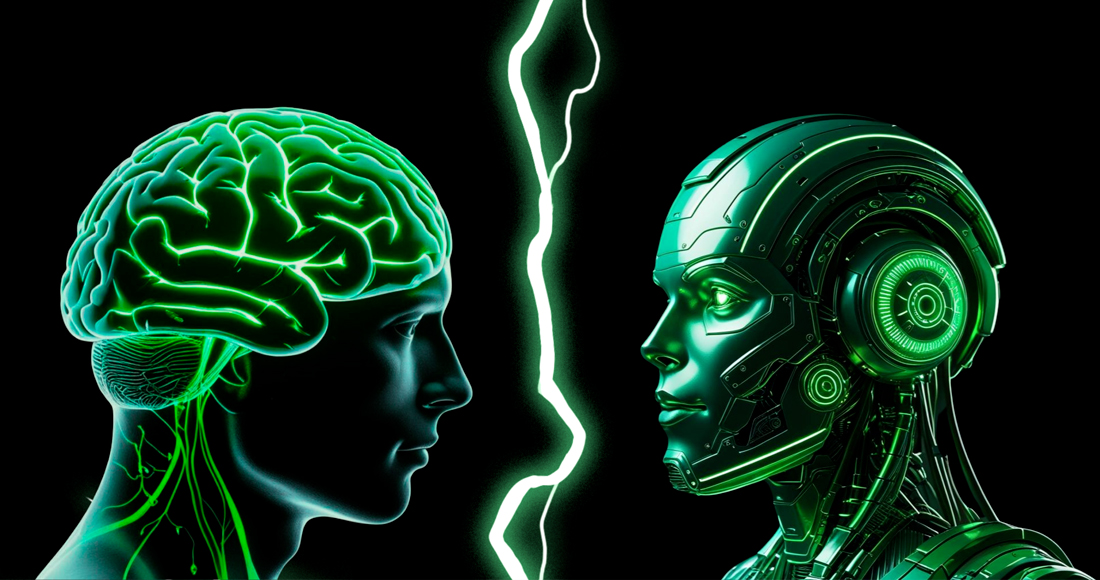
At its core is ‘embedded intelligence’. Embedded intelligence integrates AI into physical forms like robots.
_3BzovmwEZQ.jpg)
This enables robots to understand, learn, and interact with their surroundings just like humans. This fusion of intelligence and physical body is developing common sense in robots.
The ultimate goal of this technology is the creation of ‘humanoid’ robots that look like humans, think like humans, and can work like humans in factories or homes.
_XPZMpNyhWB.jpg)
- Hangzhou: The New ‘Hub’ of the Robotics Revolution
In this endeavor, China’s Hangzhou city has emerged as a major center for ‘embedded intelligence’. With the beginning of 2026, this city is becoming a central hub for research, development, and application of humanoid and robotic AI technology.
_bXixJgWXSo.jpg)
Hangzhou is rapidly advancing the process of transforming AI from software to physical forms such as robots, autonomous vehicles, and industrial machinery. The city has a strategic goal to become a global leader in AI innovation between 2026 and 2030.
_qHB2dXpQ0U.jpg)
To realize this, Hangzhou took a historic step in December 2025. The city passed a law to promote the development of the embedded intelligent robot industry. This is China’s first local law covering research, testing, and actual application.
_Ma77hVHAJI.jpg)
- From Making Coffee to Disaster Rescue
At Hangzhou’s Embedded Intelligence Exhibition Center, amazing demonstrations of the future are currently taking place. Anyone visiting can see robots serving coffee to customers, working in restaurants, playing games with people, and boxing.
_OAIW47tRSc.jpg)
However, the goal of these robots is not limited to entertainment. These humanoid robots have long-term goals for use in complex and risky areas such as industrial operations, automobile manufacturing, quality testing of goods, disaster rescue and security, shipbuilding, commercial services, daily household assistance, elderly care, petrochemical industry, and agricultural production.
_Ej1yziJe8N.jpg)
To achieve this ambitious goal, China has opened its coffers. In 2025, China announced a massive fund of 100 billion pounds for the development of strategic technologies such as quantum computing, clean energy, and robotics.
_v8oPb78zA2.jpg)
As a result, about 140 technology companies in China are now in intense competition to build excellent humanoid robots. AI, which was limited to software, has now begun to walk in the physical world, taking on bodies of iron and fiber. China’s rapid development has made one thing clear: the future of labor and technology will now be shaped by the joint collaboration of humans and robots.
_aJW1qlLg2Y.jpg)
_0QOPcRIs5T.jpg)
_h3te1Lob0l.jpg)
_xz8ZwvcFT2.jpg)
This specific news has been automatically translated by AI. As a result, there may be some inaccuracies or language errors.