Army Seeks Squatter Data Amidst Criticism Over Governance Reforms

Kathmandu. Criticism is mounting after the army sought details of squatters, citing the government's 100-point agenda for governance reform. Local bodies in Bardiya and Udayapur, along with army units, have requested details regarding the compilation of data for squatters and irregularly settled populations.
Social media has been abuzz with commentary since the army's letter became public. The army has been accused of being the government's 'shield.' Following criticism of the published letter, the army headquarters has issued a clarification.
The army stated in a press release, 'We inform everyone that data is being updated to map potential disaster risks.'
The army claims that details of irregularly settled populations were requested to prevent human and physical damage from potential floods and landslides during this year's monsoon. Army spokesperson (Brigadier General) Rajaram Basnet claimed that local units requested the details to map risks within their areas of responsibility. He said, 'Details have been requested to map potential risks with the objective of facilitating relief, rescue, and rehabilitation during disasters.'
The army was present when houses and temporary structures built by squatters in Thapathali were removed on Baisakh 12. Regarding the army's movement in Thapathali while transporting logistical supplies, the army said, 'It might have been a coincidence.'
According to the Army Act 2063, the Nepali Army is established to protect Nepal's independence, sovereignty, territorial integrity, autonomy, and national unity. The constitution provides for the deployment of the army by the President based on the recommendation of the National Security Council. Under the Army Act, requesting and managing details of squatters is not within the army's purview. The responsibility for resolving squatter issues and managing settlements falls under the Ministry of Land Management, Cooperatives, and Poverty Alleviation and the Ministry of Urban Development.
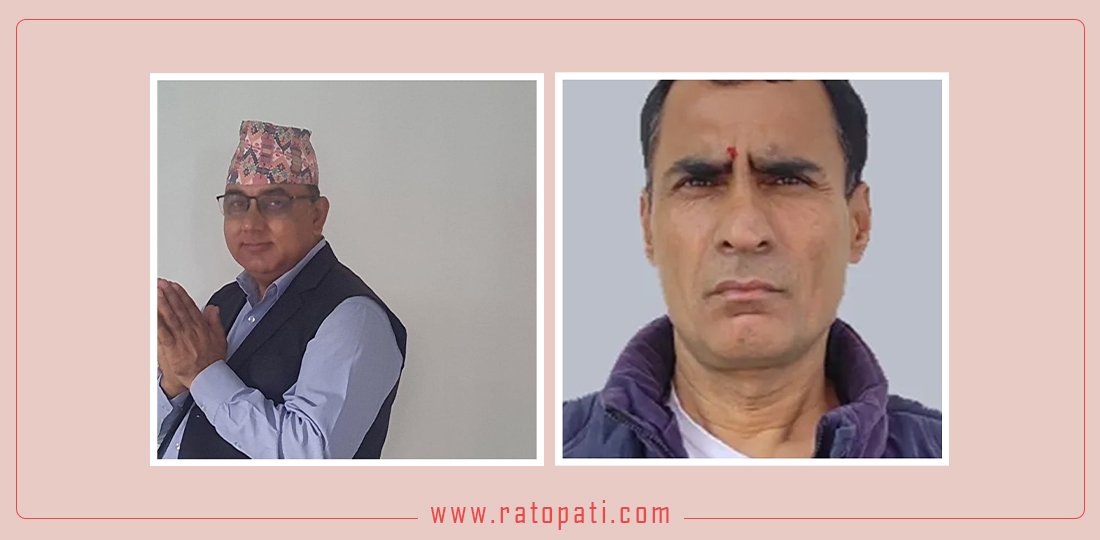
Former Lieutenant General Binoj Basnyat stated that understanding internal security and its impact falls under normal military activities. He said, 'The government constantly inquires about the security situation and challenges. The army itself assesses security challenges; this is a normal matter.'
Former Lieutenant General Basnyat attributed the public's suspicion towards the army to fear following the eviction of squatter settlements in Kathmandu. He said, 'This is routine; it is necessary for internal security.'
Another former Lieutenant General, Krishna Prasad Bhandari, said that collecting data as part of disaster preparedness is a regular process. He said, 'The army's letter requesting details to mitigate potential disaster risks should not be misinterpreted.'
Local Level Disagreement
Eight local levels in Bardiya have expressed disagreement with the army's request for details. The chiefs of these local levels issued a statement expressing serious concern, stating that the army's letter arrived without following the necessary procedures and legal processes.
Major Bolendra Karki of the Bajradal Battalion in Banke had written to 8 local bodies in Bardiya requesting updated details of irregularly settled squatter communities. The letter, written by the Major of Imannagar Barracks, stated, 'As updated details regarding irregularly settled squatter communities in Bardiya are required, please submit the details by the 14th.'
This specific news has been automatically translated by AI. As a result, there may be some inaccuracies or language errors.