Nepal's Economy Faces Significant Challenges, White Paper Reveals


Kathmandu. The government has taken the current state of the economy lightly. The 'Current Economic Situation of Nepal' (White Paper) presented by the government mentions that the economy was very weak when the government was formed.
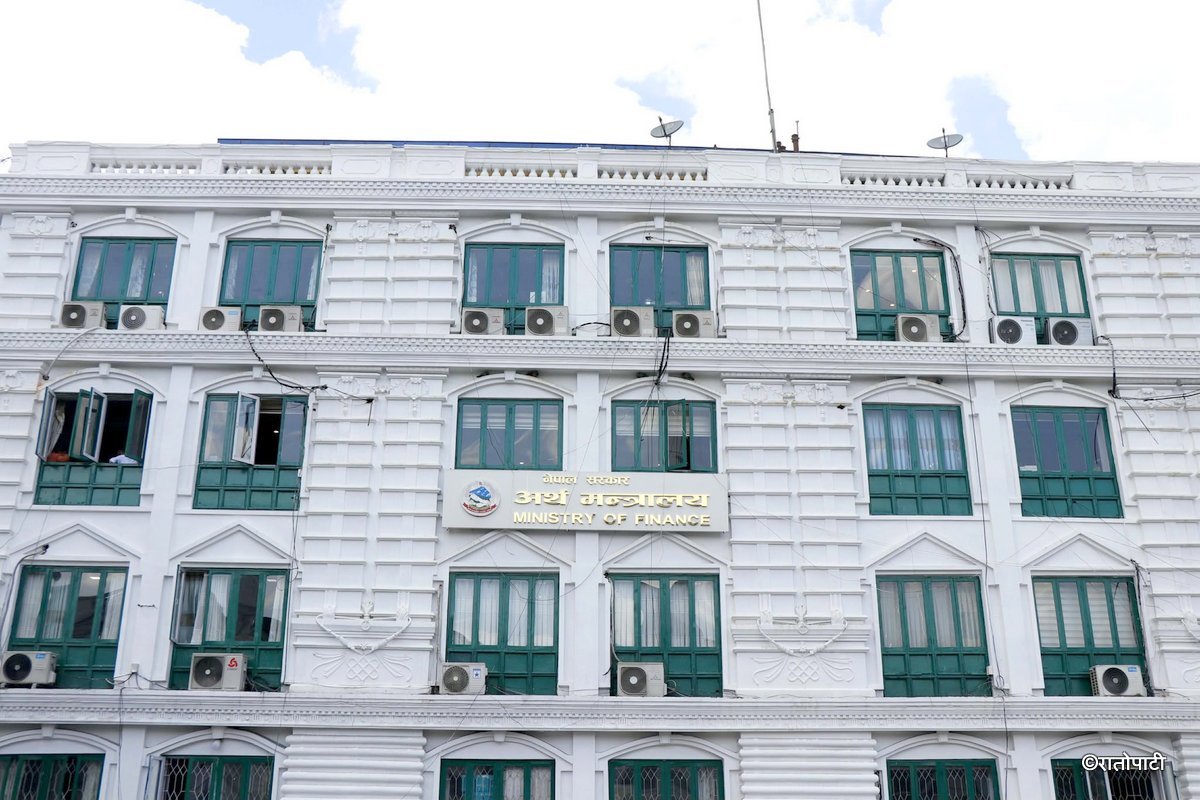
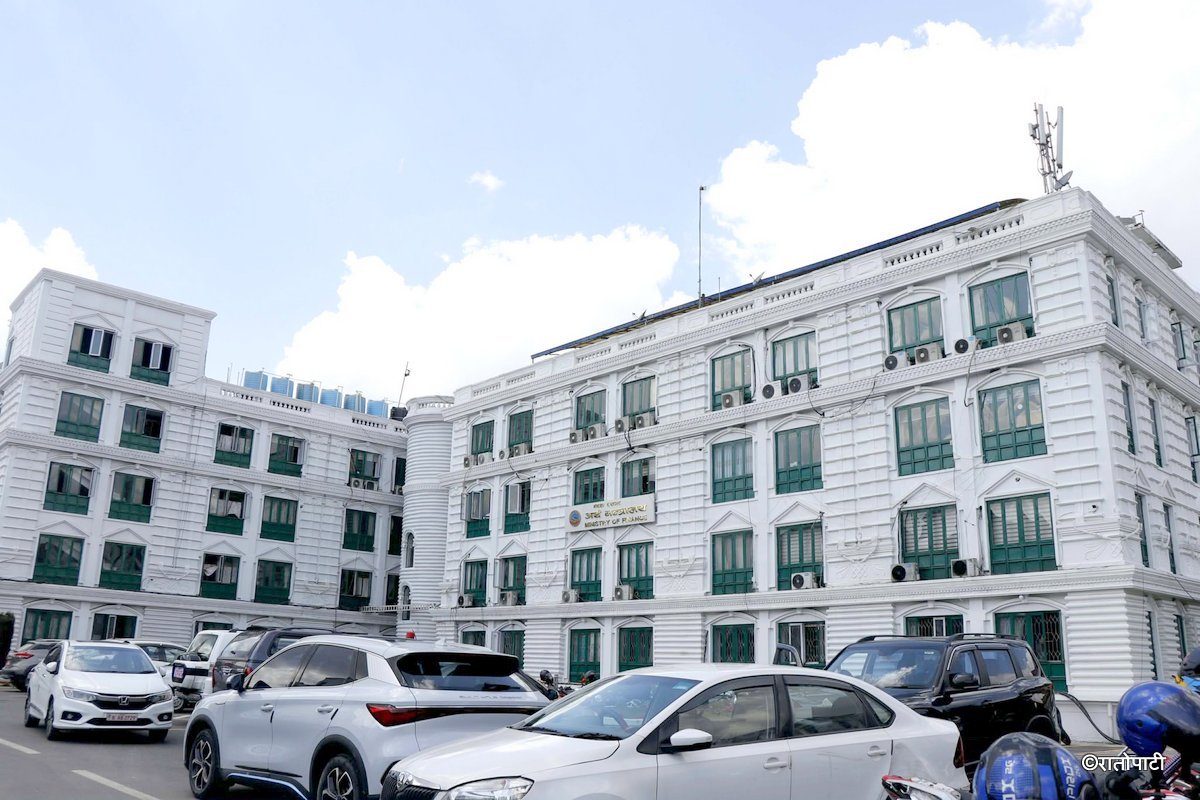
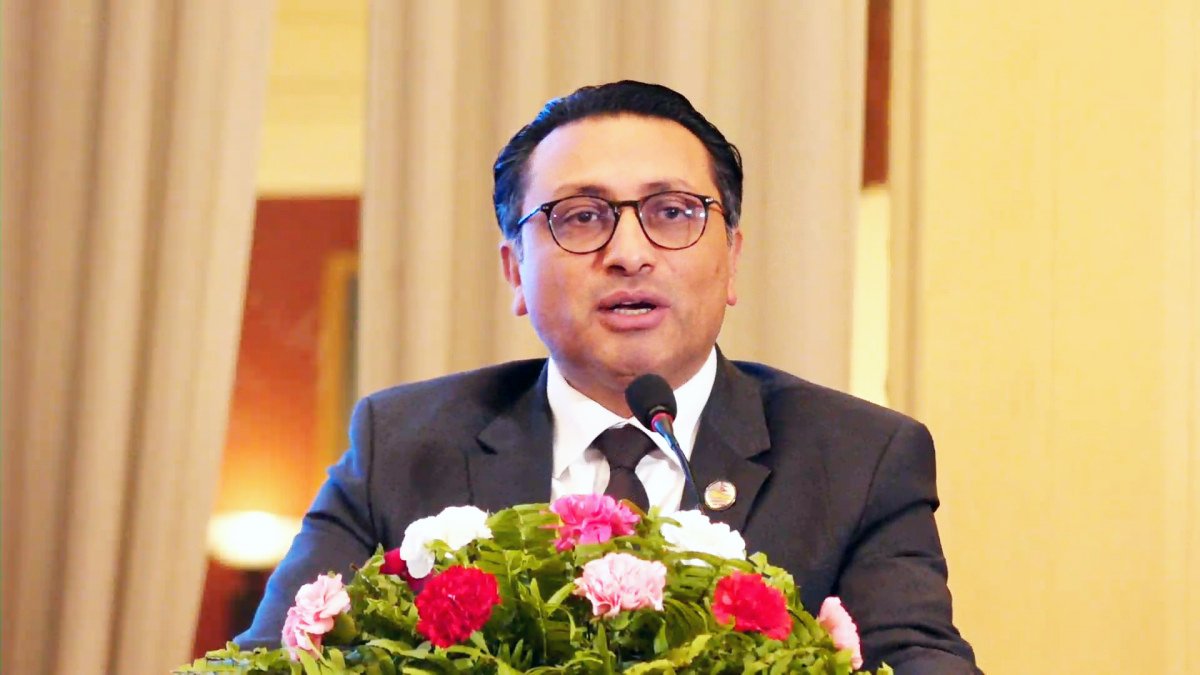
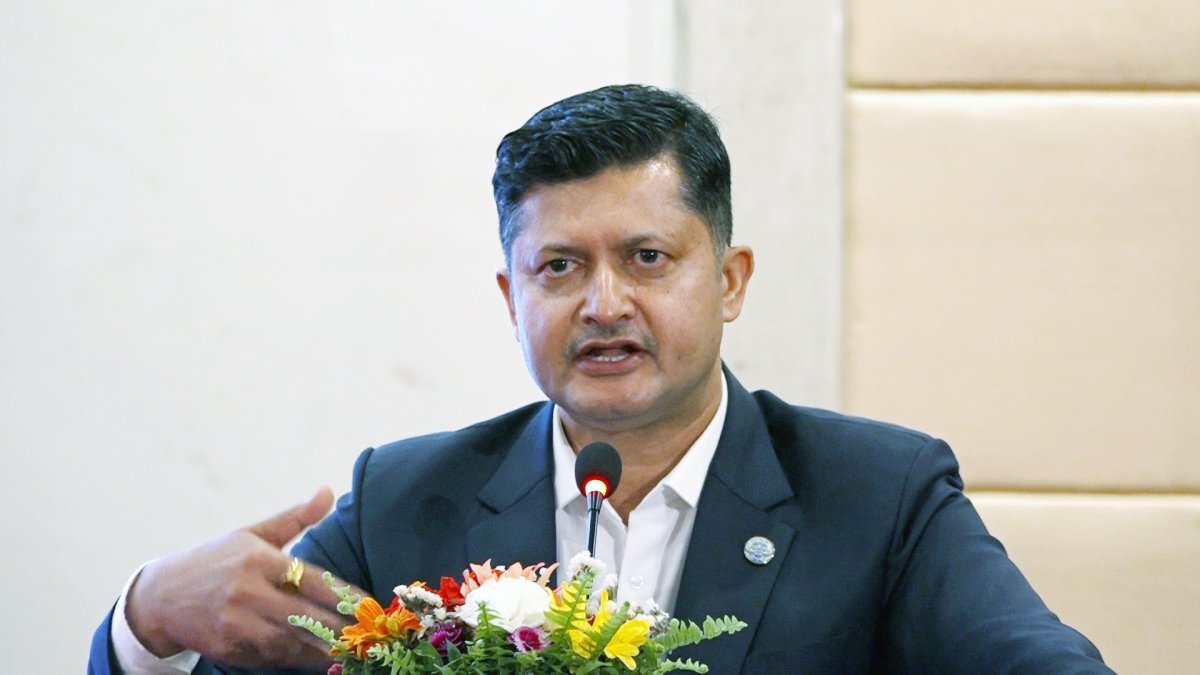
Finance Minister Dr. Swarnim Wagle released the situation paper on Monday, the 31st day of the new government's formation. The first 73 points of the document describe the economic situation, while the rest outline opportunities for transformation and the basis for Nepal to become a middle-income country.
Out of the 73 points, about a dozen present a good picture of the economic situation, while the remaining points highlight weaknesses and challenges. While the white paper appears factually realistic, it seems to have been very stingy in praising positive aspects, even though critical points are balanced.
Challenging Economic Conditions Highlighted by the Situation Paper
The Ministry of Finance's situation paper concludes that Nepal's economic growth and production structure are very slow and unstable. It is mentioned that the economic growth rate has averaged only 4.2 percent in the last decade, and in recent years, it has shrunk further.
The document states that the economy is based on traditional agriculture and productivity has not increased. Nepal's economy is said to be a victim of 'pre-mature de-industrialization,' where the contribution of the industrial sector has been declining, and the share of the service sector has increased unnaturally.
Insufficient investment, import dependency for raw materials, and lack of innovation are considered the main reasons for the weak state of the industrial sector.
The situation paper presents a more dismal picture of government financial management and revenue mobilization. It is mentioned that the government's revenue mobilization has slowed down, collection has been below target, and the main basis of revenue is import-oriented.
The fluctuation in the external sector affects the government's treasury due to the weak tax base in domestic production and services. The narrow tax base and the informal economy, which accounts for up to 40 percent, add significant challenges to revenue collection. The situation paper seriously raises the issue that the budget size has not been realistic and capital expenditure has been extremely weak. The share of recurrent expenditure in total expenditure has been continuously increasing, while low capital allocation and expenditure have affected long-term economic transformation.
The situation paper depicts the ever-increasing burden of public debt as a major concern. Public debt has increased significantly compared to gross domestic product, and a large portion of the budget is being spent on loan principal and interest payments rather than capital expenditure, presenting alarming statistics.
The report mentions that the federal government's consolidated fund is in deficit, the liability to pay construction entrepreneurs is high, and the size of pending audits has been increasing, indicating rampant financial indiscipline. The implementation of fiscal federalism is also weak, and it is concluded that the lack of increased spending capacity by provinces and local levels has not created demand in the economy.
The situation paper notes that the lack of sufficient job creation within the country has increased dependence on foreign employment, posing risks to the economy.
The document states that capital formation is weak, gross domestic savings are low, and the investment environment has not improved.
Nepal's situation in corruption control and good governance is extremely weak, and its 'grey list' status in anti-money laundering has tarnished Nepal's reputation in international forums.
Critical Commentary on Positive Aspects
Among the many issues covered in the situation paper, only about a dozen contexts show a good economic situation. However, even these supposedly good points are not praised openly but are subjected to critical commentary. Positive indicators are explained as results achieved due to compulsion, coincidence, or other weak reasons.
The situation paper covers topics such as the international environment, economic growth, production structure, public debt, external sector, and financial sector.
Only the issue of energy production is praised openly. It is stated that installed electricity capacity has increased nearly sixfold in a decade, and 99 percent of the population has access to electricity, which is considered encouraging. However, all other positive aspects are also criticized indirectly.
The situation paper praises the significant increase in credit flowing to the private sector over the past decade. While high credit flow as a proportion of GDP is considered positive, it is overshadowed by the recent slowdown in credit expansion, problems caused by credit flowing into the real estate and stock markets, and the lack of credit to the productive sector.
The increase in deposit mobilization in the banking system is acknowledged. However, the credit for this is attributed to the increase in remittance income rather than the strength of the domestic economy.
Similarly, it is stated that the interest rates on deposits and loans of banks and financial institutions are low. While low interest rates are generally considered a basis for promoting investment, it is argued that businesses have not benefited from this, and small savers have seen their income sources shrink, putting depositors at a disadvantage.
Microfinance institutions are praised for contributing to increased financial access. However, immediately following this, the negative aspects are highlighted, stating that due to recent incitement not to repay loans, non-performing loans have increased, and the poor and marginalized sections have fallen under further debt burdens.
The significant increase in digital payment transactions after the COVID-19 pandemic is praised. However, the policy work of the government or regulatory bodies is not appreciated; instead, it is seen as a natural consequence of technological development and necessity.
Although the scope of insurance services is said to be expanding and reaching about half the population, the capacity of government-owned insurance companies is weak, and the practice of artificial claim settlement is criticized.
The white paper has not positively embraced improvements in the external sector either. While it states that external sector stability has been achieved, it attributes this solely to remittances. It is commented that the external sector is not strong due to increased domestic production or exports, but rather sustained by the money sent by workers.
Although the current account has been in surplus for the last two years, it is not considered good. It is stated that due to the economic slowdown and weak domestic demand, imports have decreased, leading to a surplus in the current account, and thus it has not been praised much.
Despite stating that the balance of payments is in significant surplus, this is also attributed to the current account surplus and remittances. While foreign exchange reserves are mentioned to be at a convenient and adequate level, it is pointed out as a weakness that they cannot be immediately utilized for productive purposes.
The situation paper's perspective on physical infrastructure and social sectors is also negative. Increasing urbanization is described as a complex challenge rather than development and opportunity. It is mentioned that unplanned urbanization creates extreme pressure on drinking water, housing, and peace and security.
The state of education and health is presented similarly. While the significant increase in literacy rate to 76.3 percent is considered a positive achievement, it is stated that the quality of education, skills, and market demand are poorly aligned.
It is commented that certificate-oriented education has increased educational unemployment. Although health indicators have improved with a decrease in maternal and child mortality rates, health services are said to be neither of quality nor universally accessible. The health system is criticized for being solely focused on curative care.
Although the country's poverty has gradually decreased to around 20 percent, it is not considered sufficient. The economic gap between rural and urban areas still persists, and crises like the pandemic have significantly slowed down this decreasing trend of poverty reduction. More emphasis is placed on the lack of improvement in the condition of marginalized communities than on the statistics of poverty reduction.
The economic situation paper issued by the Ministry of Finance has identified multifaceted opportunities and set a target of achieving an average growth of seven percent from the next year onwards, making Nepal a 100 billion dollar economy.
However, looking at the overall sentiment of the document, it appears not as a mirror of the economy but rather as a critical document expressing dissatisfaction with all past achievements and not giving the benefit of the doubt even to good aspects.
This specific news has been automatically translated by AI. As a result, there may be some inaccuracies or language errors.