Butwal's Long-Standing Land Ownership Crisis: Residents Await Legal Titles
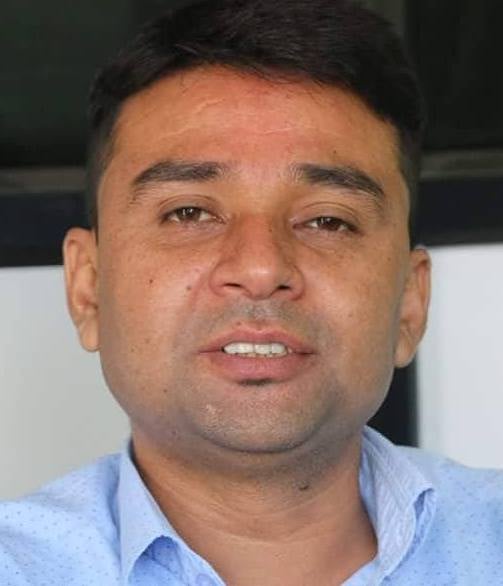

Butwal. Kamal Bahadur Thapa, born in 2006 BS in Paiyun Rural Municipality of Parbat district, now resides in a concrete house near Hattisud in Devinagar, Butwal Sub-Metropolitan City-11. Thapa, who began establishing a squatter settlement on the vacant land along the Tinau River bank around 2060 BS, is amazed to see the developed city today.
According to him, the Hattisud area was vacant land at that time. He recounted that after consulting with locals, he brought in masons and laborers to start building the settlement. Initially, because it was a riverbank with no infrastructure, many people were reluctant to come, but the settlement gradually grew, and now that place has turned into an organized city. Today, the roads are paved, and the settlement is full of electricity, water, and other basic amenities.
Thapa said, 'It was desolate before, now it has become a city. Once schools, colleges, and hospitals were nearby, many people started coming here to live.'
Shatrudhan Singh Rai, who lives in the same area, bought a plot in 2061 BS. After building a house a few years later and living there with his family, he said, 'We came to Butwal in search of opportunities. After living here, education, health, and employment became easier.'
Shyam Thapa, who came from Galyang in Syangja, moved to Rupandehi about 40 years ago. He bought a small plot for about 7,000 rupees in 2062 BS. 'Monkeys made it difficult to farm on the slopes over there, so I came here. Work is available here, and it is easy to educate children,' he said. He does not have a land ownership certificate (Lalpurja) for the land he lives on. He is currently hoping for one. He has already passed the map for house construction from the municipality.
Butwal-11's Hattisud, Pragatinagar, Buddhanagar, and Majuwa have organized settlements. Some of these areas were resettled on land washed away by the 2038 BS flood.
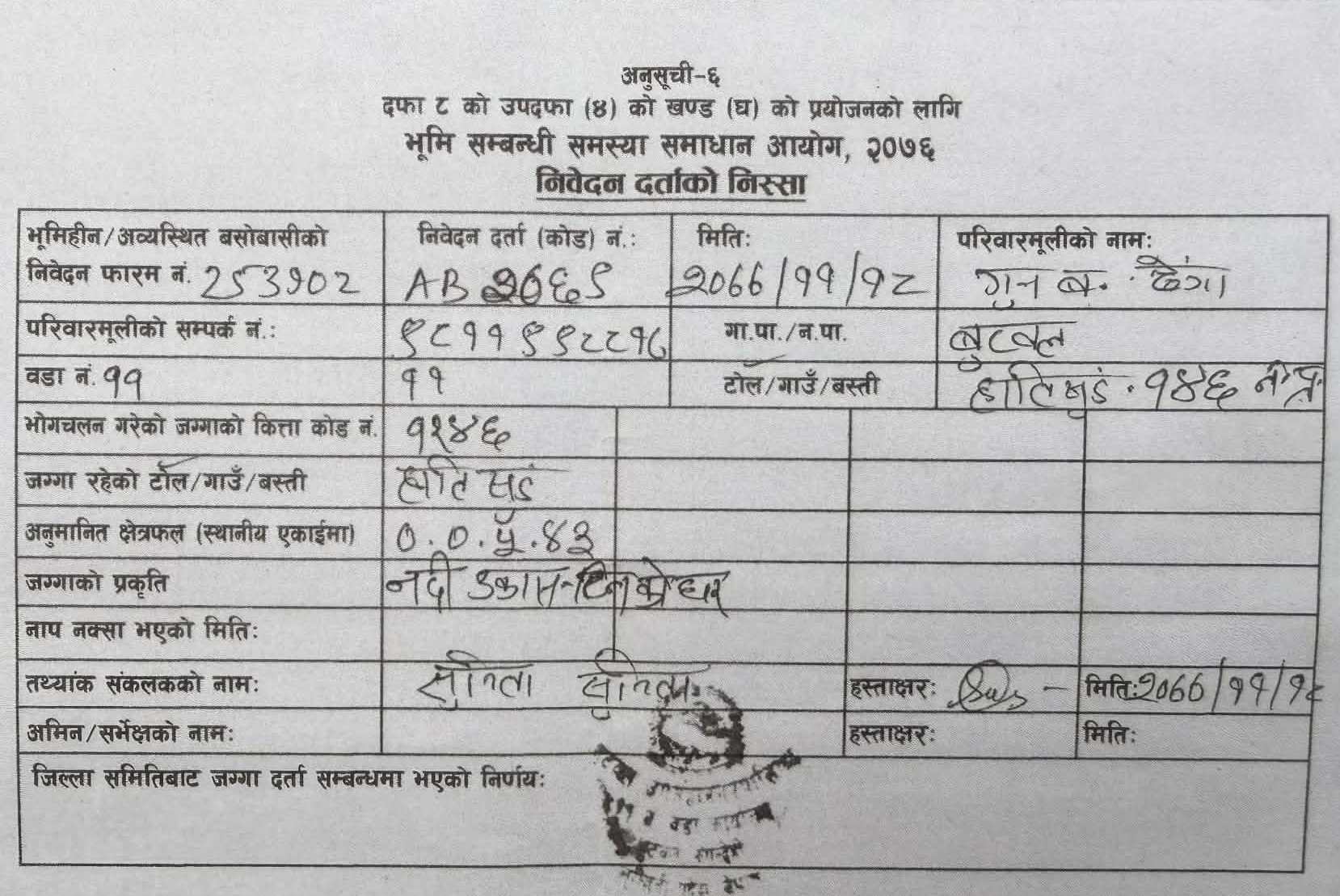
According to Ward Number 11 Chairman Ramchandra Chhetri, there are many citizens here without land ownership certificates. 'Even though this ward has developed as an organized settlement, many still do not have Lalpurja,' he said.
According to Chhetri, about 6,500 people have applied for land ownership certificates. However, it is estimated that the number of actual landless people will be very low. About 200 people have applied claiming to be landless. The state considers those who do not have land in their name anywhere in the country as landless. Therefore, it is being investigated whether those applicants have land elsewhere, Chhetri said. He clarified that they should be given ownership certificates after fulfilling other necessary procedures.
The land measurement process is being carried out through the National Land Commission. According to the commission's Rupandehi Chairman Kumar Thapa, measurement is pending only in some toles of Ward-11. About 15,000 plots of such land have been measured from Ward 1 to 13 of Butwal, and this number has reached about 58,000 in Rupandehi district.
Although Butwal-11, which started as a squatter settlement, has now turned into a well-facilitated city, the issue of legal ownership (Lalpurja) has not yet been resolved.
- Kept waiting for years in the hope of Lalpurja
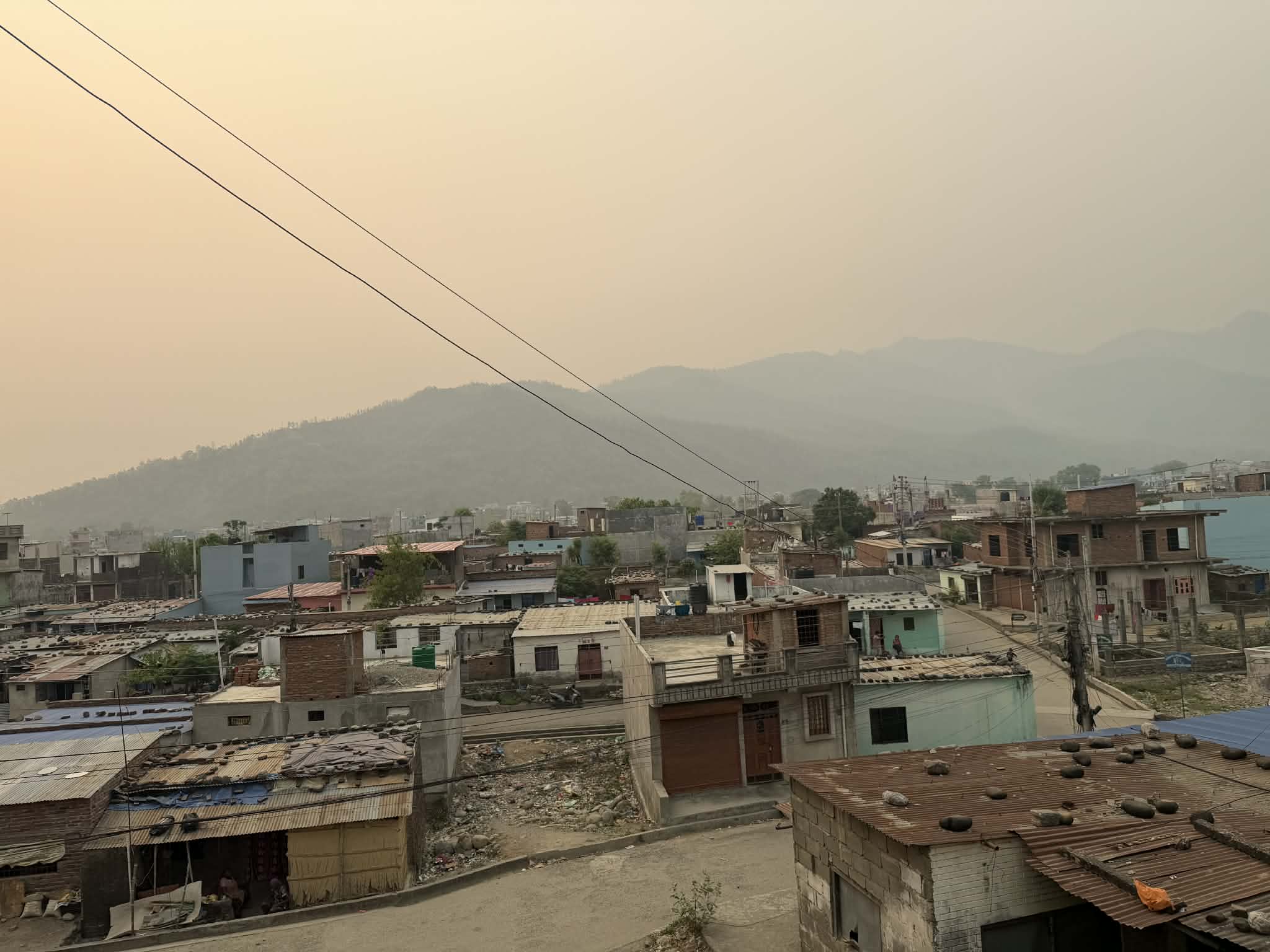
Squatters who have been living in the Butwal Sub-Metropolitan area for a long time are still waiting to receive their land ownership certificates. Gun Bahadur Dhega of Ward No. 11 Hattisud registered an application with the Land Commission on Chaitra 11, 2077 BS. He said that although the commission has completed the measurement and he has even received the registration receipt, he has not yet received the Lalpurja.
'We have already spent lakhs of rupees to build houses. Now, after getting the Lalpurja, we hope it will be easier to take loans from banks,' he said.
Local Shyam Thapa also complained that a long time has passed in the hope of getting a Lalpurja. 'We are ready to pay taxes, but we have been kept waiting for years with various excuses,' he said.
Butwal Sub-Metropolitan City Mayor Khelraj Pandey admitted that although the work of data collection, distribution of receipts, and measurement for solving the squatter problem in Butwal has been completed, the distribution of Lalpurja could not be done. According to him, about 10,090 households have been measured in Butwal.
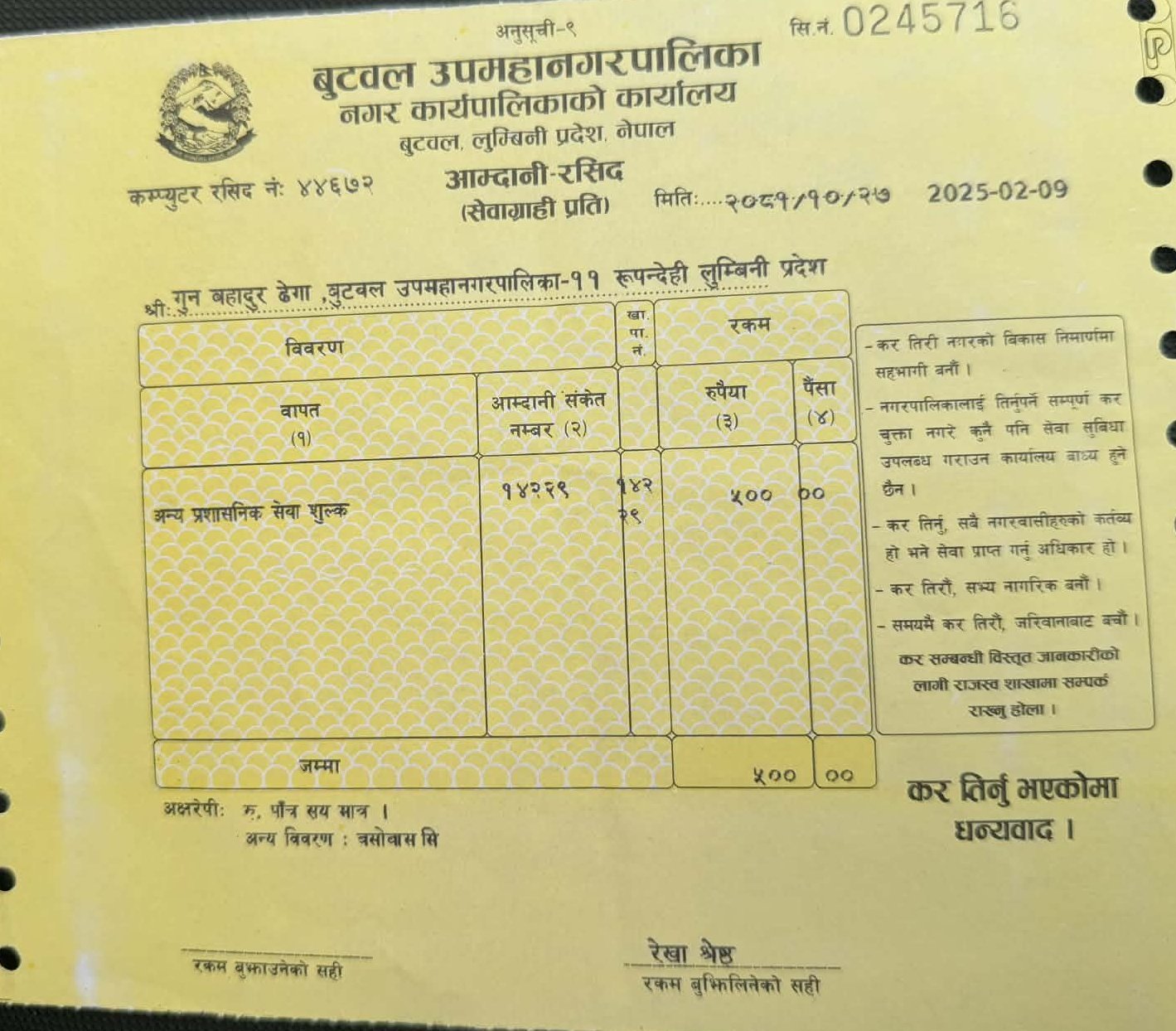
Mayor Pandey mentioned that the process was delayed due to reasons like the formation and dissolution of the Land Commission and legal cases, stating that if the environment becomes favorable, Lalpurja can be distributed to everyone within three months.
Land Commission Rupandehi Chairman Kumar Thapa also said that despite some delays, Lalpurja will be provided after completing the process. He informed that Lalpurja will be distributed gradually to all those who have been measured and are under investigation.
Thousands of squatter families in Butwal are still waiting for their land ownership certificates, but a clear timeline for when they will be received has not yet been set, said Arjun Kunwar, a local resident of Devinagar.
- The problem in Kathmandu and Butwal is different
Stakeholders say that since the settlement problems in Kathmandu and Butwal are of a different nature, they should not be solved in the same format.
Kamal Bahadur Thapa, a leading resident of the Butwal-11 Hattisud area, said that there is a fundamental difference between the squatters of Kathmandu and the unorganized settlers of Butwal.
According to him, most wards in Butwal have been inhabited for years, but the problem arose because the state did not provide Lalpurja on time.
Thapa said, 'The state has already invested in infrastructure like roads, drinking water, and electricity here, and the residents have also invested in building houses. This is a settlement where both the state and the citizens have invested.'
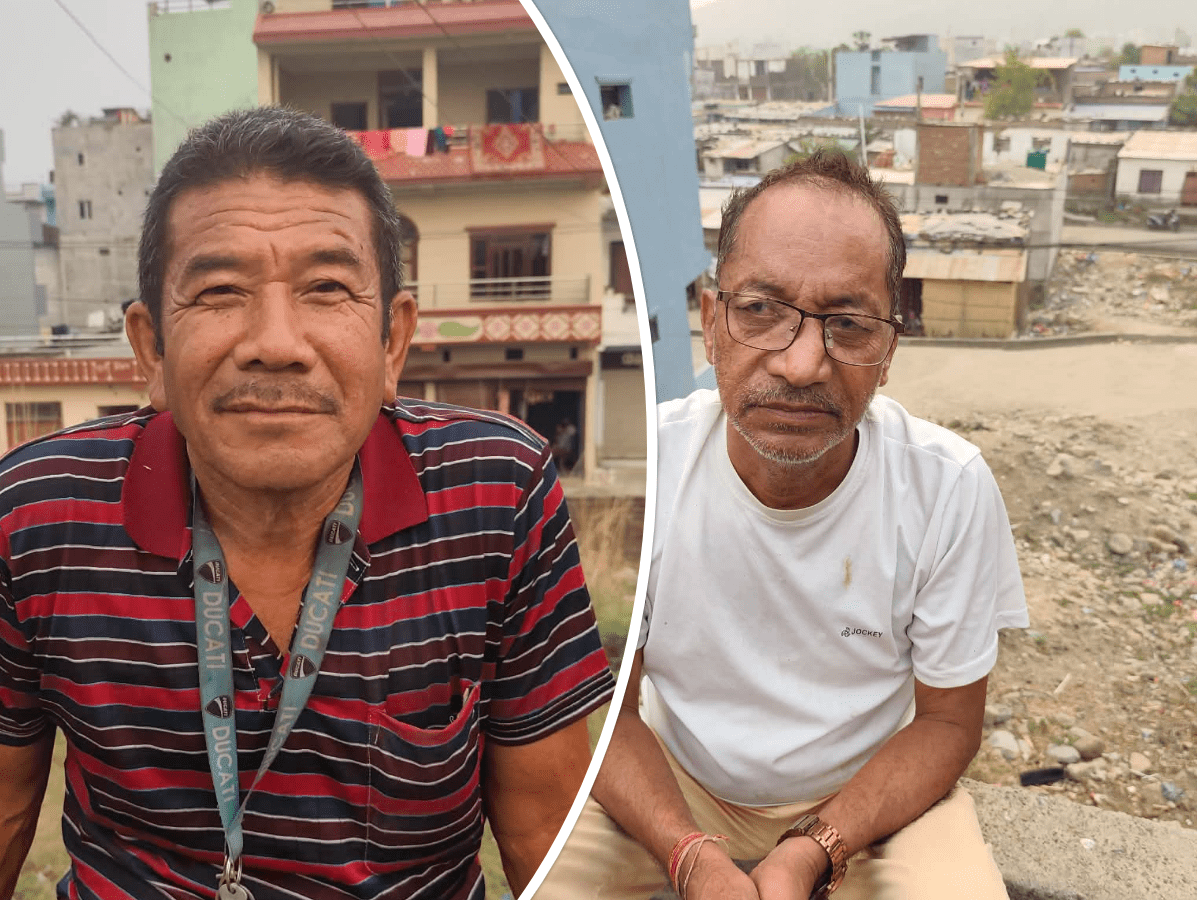
He informed that the Lalpurja distribution process is currently moving forward. He claims that there is no situation in Butwal like in Kathmandu where land was forcibly occupied to establish settlements.
Ward Chairman of Butwal-11 Ramchandra Chhetri also said that there are no 'squatters' in Butwal. He believes that since the problem in other places and the situation in Butwal are different, it is not appropriate to seek a solution in the same way.
Butwal Sub-Metropolitan City Mayor Khelraj Pandey mentioned that citizens who came in search of opportunities after the construction of the highway have been living in Butwal, and they could not get land ownership certificates because the land measurement process was delayed.
He clarified that the situation in Butwal cannot be compared with the squatter problem in Kathmandu. He said it would be wrong for the state to put everyone in the same category and make policy decisions.
Land Commission Rupandehi Chairman Kumar Thapa also admitted that the problems in Butwal and Kathmandu are of a different nature and said that a solution should be sought accordingly.
- Revenue lost due to delay in Lalpurja distribution
The local government has been losing significant revenue because Lalpurja is not being distributed to unorganized settlers in Butwal. Butwal Sub-Metropolitan City Mayor Khelraj Pandey said that because Lalpurja is not provided, revenue cannot be collected from important sources like property tax and house rent tax.
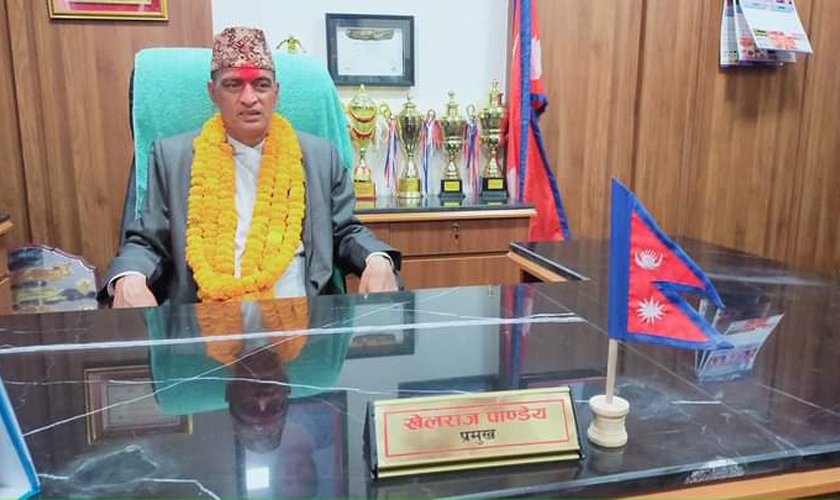
According to him, when Lalpurja is provided initially, the government will collect a certain amount of revenue, and after that, the city's internal income will increase from headings like property tax and house rent tax.
'Until we provide Lalpurja, we have not been able to collect taxes. If Lalpurja is distributed, Butwal's internal revenue will increase by about 25 percent,' he said.
Land Commission Rupandehi Chairman Kumar Thapa also mentioned that the state has lost a large amount of revenue due to the delay in the distribution of Lalpurja. He said that the process was interrupted when the government dissolved the commission while work was being done through it, and then further delays occurred due to court processes and the implementation of the election code of conduct.
Thapa said that if the Lalpurja distribution process can be resumed, the state can benefit greatly.
This specific news has been automatically translated by AI. As a result, there may be some inaccuracies or language errors.