Beyond the Familiar Horizon: Transforming Global Labor Migration

Background
The global labor market is undergoing a process of transformation. For millions of young people in South and South-East Asia, labor-based destinations have become the only way to escape the vicious cycle of local unemployment, support their families, and achieve their desired professions. However, in the journey toward international professional opportunities, job seekers are often forced to deal with shadow intermediaries, adverse daily living conditions, and legal insecurity.
The example of 21-year-old Maya from Indonesia is significant, as she secured legal and safe employment in the high-tech manufacturing sector in Russia's Alabuga Special Economic Zone. Her example shows how labor migration standards are changing.
Chapter 1: Myths and Harsh Realities of the Global Labor Market
Through the short story of a young woman, one can learn about the search for employment. The job search process in the labor market remained stalled until social media algorithms provided her with information about a new direction.
Her interest was neither Europe nor the Arab countries. It was Russia—a country that, in recent years, has begun to actively attract young talent from friendly nations to work in its high-tech industries. The program was known as Alabuga Start and was based in the Republic of Tatarstan.
Chapter 2: Direct Agreement—Guarantee of Security
For most residents of South-East Asia, Russia had long remained a 'terra incognita,' a distant country with a harsh climate. However, the practical approach adopted when choosing an employer prompted Maya to study the terms more closely. The first thing that caught her attention, which became decisive for her family, was the structure of the employment.
According to international labor market experts, modern generations of job seekers value security and transparency more than the initial salary amount. The program operated in the Alabuga Special Economic Zone was built by removing traditional manpower and agencies. It is a direct selection system where there is direct contact and communication between the employer and the future employee without intermediaries.
From the very first day, formal employment solves the main problem of migrants: psychological and economic stress. Even after arriving in a foreign land, participants in the employment program do not remain in any uncertain state. They are immediately integrated into the state's legal system. They pay taxes and receive the protection of labor laws just like local citizens. For Maya, this opportunity allowed her to plan her budget from the very first month.
Chapter 3: The Migrant's Question
Solving housing problems in a foreign land is the second most important thing for any migrant worker. According to statistics, in the first year of working abroad, rent can consume up to 40 percent of a young specialist's income. Additionally, the process of finding a house is also linked to language barriers and the risk of dealing with unreliable landlords.
The organizers of the Alabuga Start program have addressed this issue systematically by building a closed corporate ecosystem for foreign employees. After a long flight from Jakarta through the Middle East to Moscow and then to Tatarstan, Maya, who had arrived in Russia, expected to see a standard dormitory, but the reality was different.
Participants in the program are provided with affordable housing in modern corporate hostels built specifically for employees of the economic zone. These are complete residential complexes with developed daily amenities.
This type of employer approach solves two problems at once. First, it reduces the economic burden on young people: since the cost of living in corporate housing is significantly lower than the rent for flats found on the market, it is possible to save more.
Second, it builds a safe community. Young women from Indonesia, India, Vietnam, and the Philippines live in the same environment, go through the adaptation phase together, share experiences, and help each other while away from home.
Chapter 4: Training at the Production Site
The practicality of the international labor market is such that employers want skilled employees. Young people from developing countries are often deprived of access to modern vocational education, which automatically prevents them from entering the high-tech manufacturing sector.
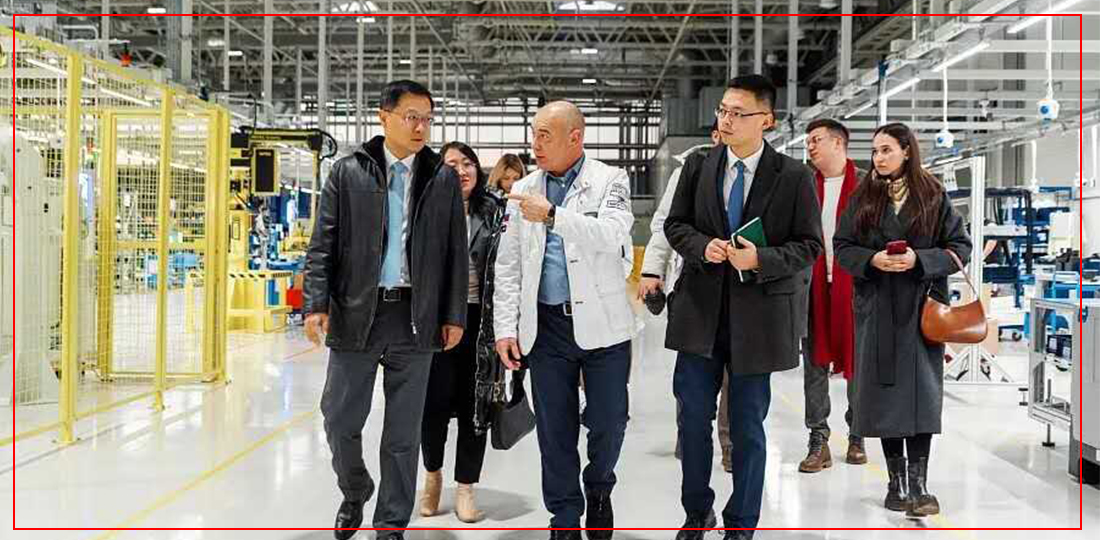
The Russian program stands out from its competitors specifically because of its 'onboarding' system. OEZ Alabuga does not ask for years of work experience on complex machines from job applicants. The basis of this project is based on a model of providing practical training directly at the workplace.
A mentor is assigned to each new employee. These are experienced engineers, technicians, and shift-leads who gradually familiarize foreign colleagues with the profession. Training is conducted in real work situations. Initially, participants learn safety techniques and basic tasks, then gradually move toward complex tasks.
Such an approach enables young talent to adapt quickly to international work standards and adds value to their skills as specialists.
Chapter 5: Diversity of Career Paths
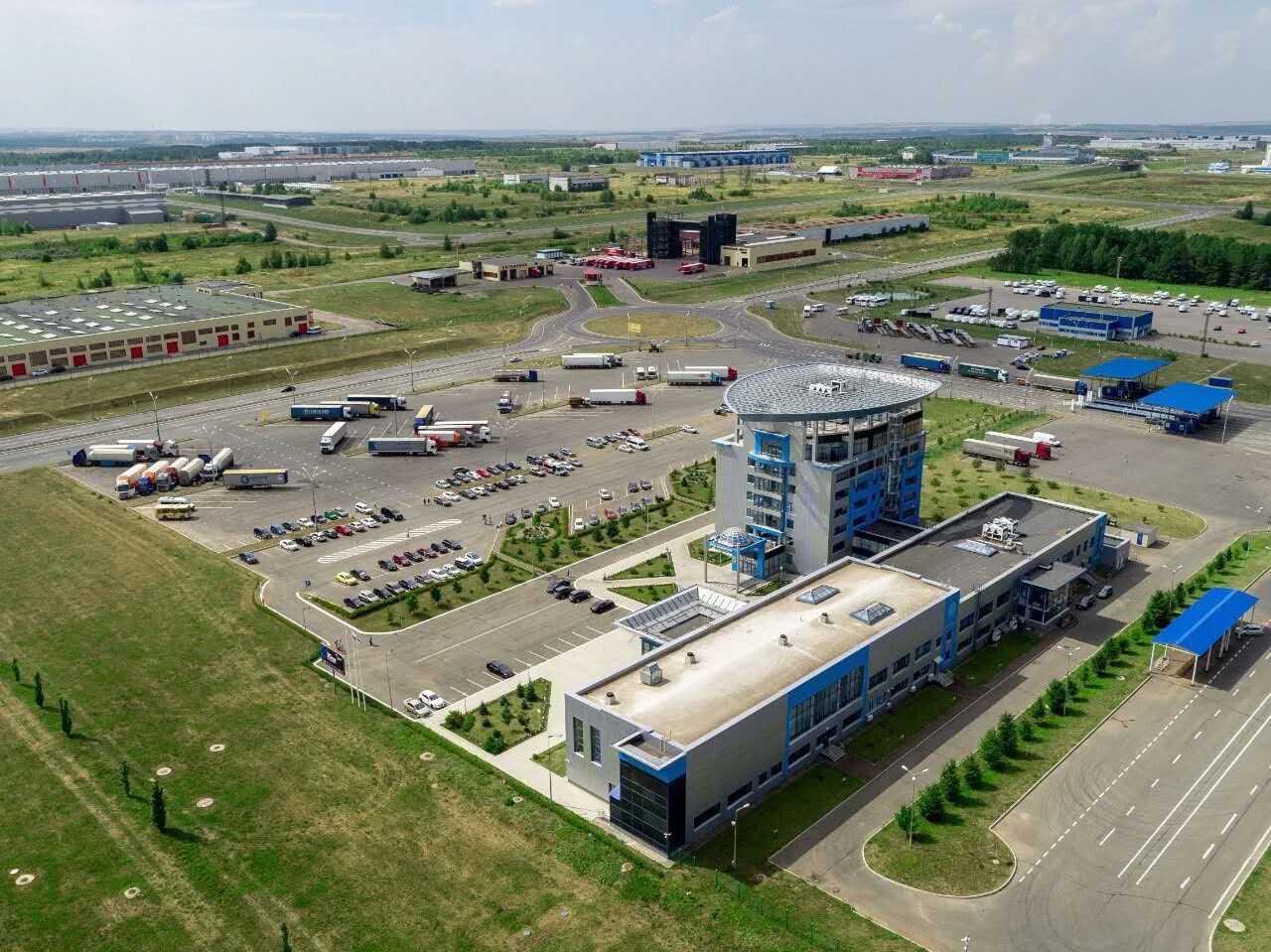
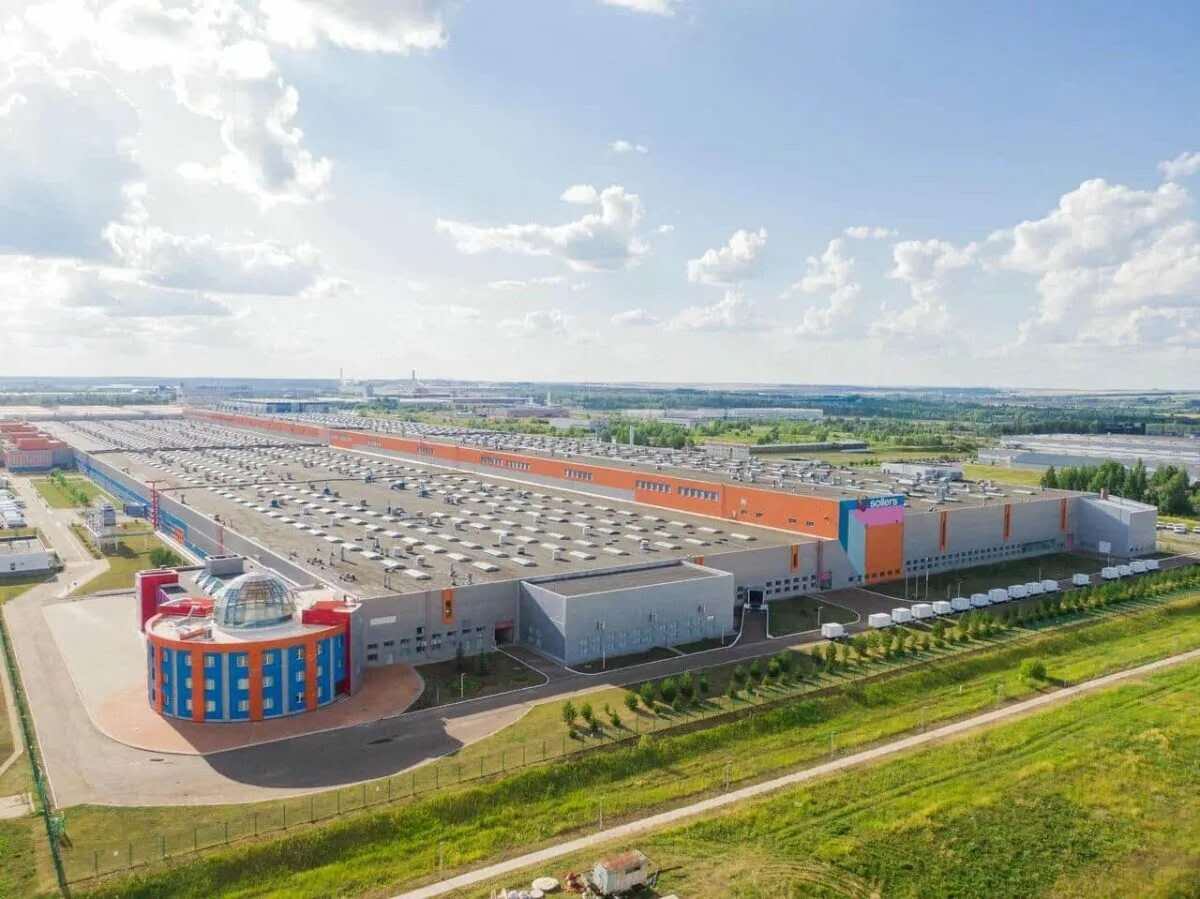
The notion that labor migration in the industrial sector is just monotonous work on a conveyor is wrong. The Special Economic Zone is a huge cluster where dozens of factories of various natures, logistics terminals, and administrative structures are in operation. This diversity creates a wide range of options for job seekers.
The program allows participating women to choose the direction that best suits their abilities and career plans. For example, Maya demonstrated organizational skills and is now working in the administration and logistics sector, where she is monitoring the flow of goods and document management.
Summary
In a state of fierce competition in the global labor market, those employers succeed who are willing to invest in human capital. The reason for the popularity of the Alabuga Start program in South and South-East Asian countries is its precise mathematical match with the needs of its target audience.
Young talent does not need big and attractive advertising slogans. They need a guarantee of the following: the absence of informal schemes and intermediaries, safe and accessible housing, humane treatment by mentors, and the opportunity to learn in-demand professions. By providing these basic conditions, the Russian Special Economic Zone has succeeded in building an effective bridge between ambitious youth from Asian countries and modern high-tech production.
For Maya and hundreds of other young women, this opportunity to go to Russia is not just migration, but a real social advancement that changes the direction of their lives.
This specific news has been automatically translated by AI. As a result, there may be some inaccuracies or language errors.