Banana Prices Skyrocket in Nepal Amid Import Restrictions and Supply Chain Issues


Kathmandu. Bananas are one of the most consumed fruits in Nepal. Once considered an affordable, accessible, and healthy staple, this fruit has now become a luxury for the average Nepali. While bananas were available for 120 to 150 rupees per dozen just a few months ago, prices in retail shops across the valley have now reached 350 to 400 rupees.
Gita Karki, who went to buy vegetables at the Jadibuti market on Sunday, wanted to purchase bananas as well. However, she was shocked upon hearing the price. 'We had 5-7 trees in our own garden, but they fell during a storm. It had been a long time since I bought bananas, and the prices have reached the sky,' she said.
According to Karki, the price of bananas was 350 rupees per dozen on Sunday.
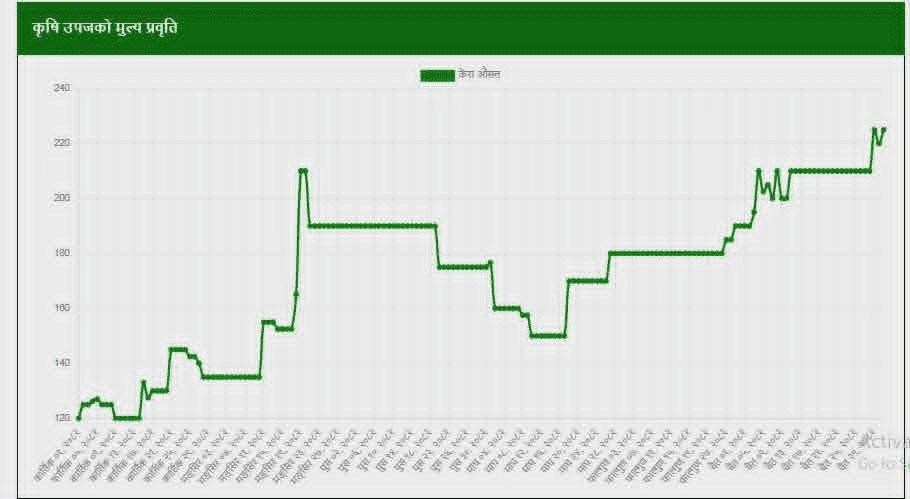
As Karki noted, banana prices are high not just in the valley but across the country. According to the Kalimati Fruits and Vegetable Development Committee, the price of bananas, which was 120 rupees per dozen on Kartik 1, is now 250 rupees per dozen. This is the wholesale price. 'It costs us more than 300 rupees to buy them. We have been selling them for over 400 rupees per dozen,' says Ramshankar Thakur, who sells bananas on a bicycle. He mentioned that sales have dropped due to the high prices. 'Bananas don't sell much now. People don't want to buy them,' he said.

According to Sanjeev Maharjan, operator of Patan Fruit House, Indian bananas are not arriving, and there is a shortage of domestic produce, which is why prices have soared. 'By the time we buy them, they have already been sold in 3-4 places,' Maharjan said. 'Traders collect bananas directly from farmers. Then they send them to the market. We bring them from the market and sell them. Everyone is taking risks, and costs are rising accordingly.'
- Why was the import ban imposed?
The Government of Nepal has tightened banana imports from India since Ashoj 2. The ban was imposed due to the 'Panama disease.' According to Roshan Adhikari of the Plant Quarantine and Pesticide Management Center, this disease is like a 'black death' for banana farming.
Adhikari stated that this disease has been seen in some farms in Kailali and Kanchanpur. 'It is a fungal disease that dries the banana plant from within, and once it spreads in the soil, it keeps the soil infected for years,' he said.
He believes the disease may have entered through plants or fruits imported from India. 'That is why we have stopped issuing import permits to protect Nepal's multi-billion rupee banana industry,' he said.
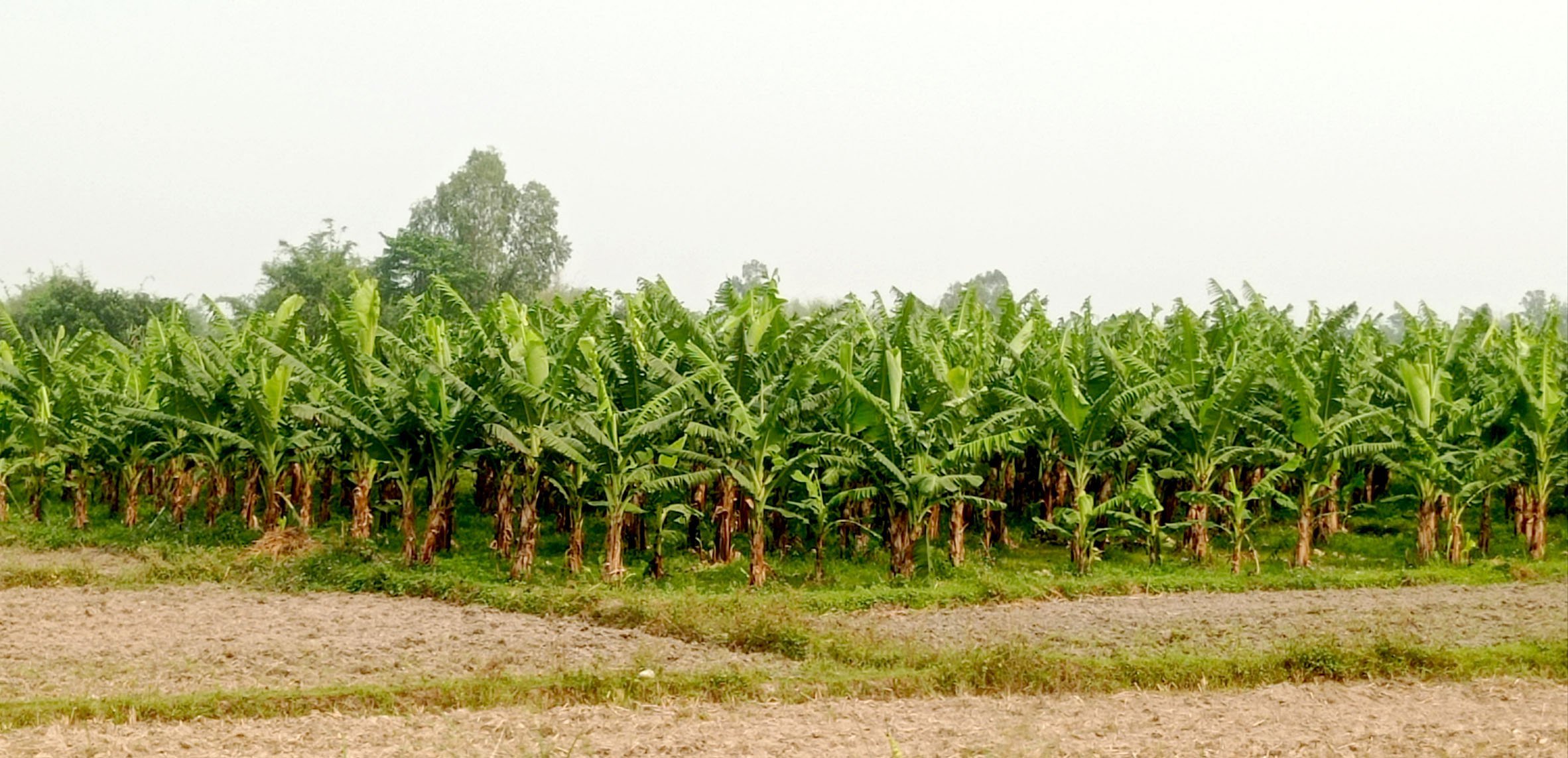
The risk is so high that if not controlled in time, the total 12,000 to 13,000 hectares of banana cultivation in Nepal could be wiped out. Adhikari argues that the government had to take strict measures because investments worth over 12 billion are at risk.
- 'Finally, fair prices are being received'
Bishnu Pant, President of the Nepal Banana Producers Association, said that farmers are finally getting fair prices. 'In the past, cheap bananas from India caused Nepali farmers' produce to rot on the trees. We had to sell bananas for 20-25 rupees a dozen, which didn't even cover the investment,' Pant said.
Currently, farmers are getting 60 to 80 rupees per dozen directly from the farm. According to Pant, Nepal is 70 percent self-reliant in bananas. Farmers are now enthusiastically working to turn the remaining 30 percent shortage into an opportunity.
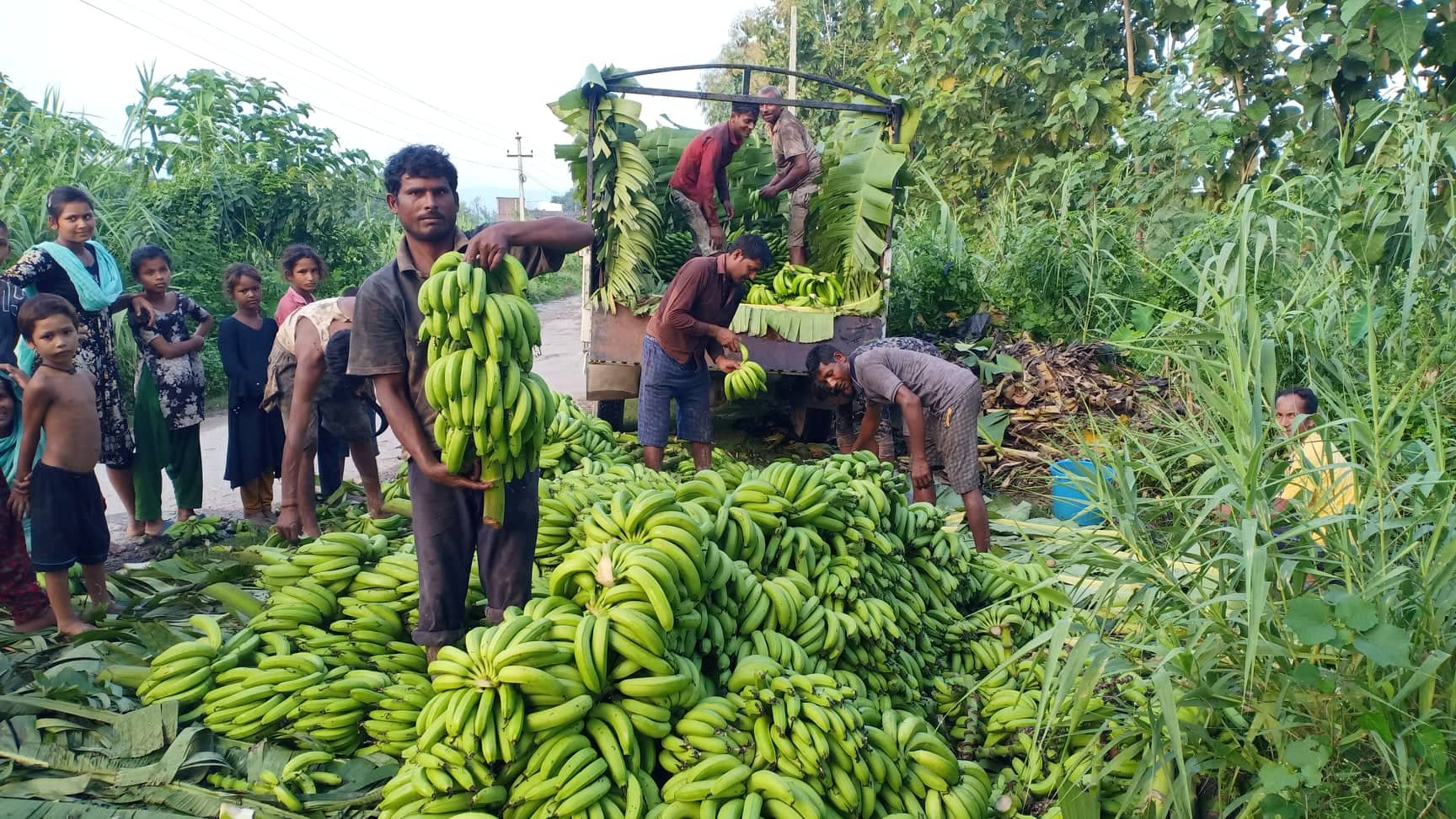
'Just now, 2 million new plants have been planted. By next year, we will be fully self-reliant in bananas. If consumers can bear the hardship for a few months, we can say goodbye to foreign bananas forever,' Pant said.
Pant says the market is expensive because of middlemen. According to him, middlemen are buying from farmers at 80 and selling to consumers at 400. 'We get 60-80, but the price reaching 400 in the market is black marketing by traders,' he said.
- Traders' own arguments
Khem Ghimire, the immediate past president of the Fruit and Vegetable Traders Association, says that not all traders should be viewed with the same perspective. He said, 'It is good that we are becoming self-reliant, but in reality, our production does not meet market demand. Especially in the dry season, banana production in Nepal is low.'
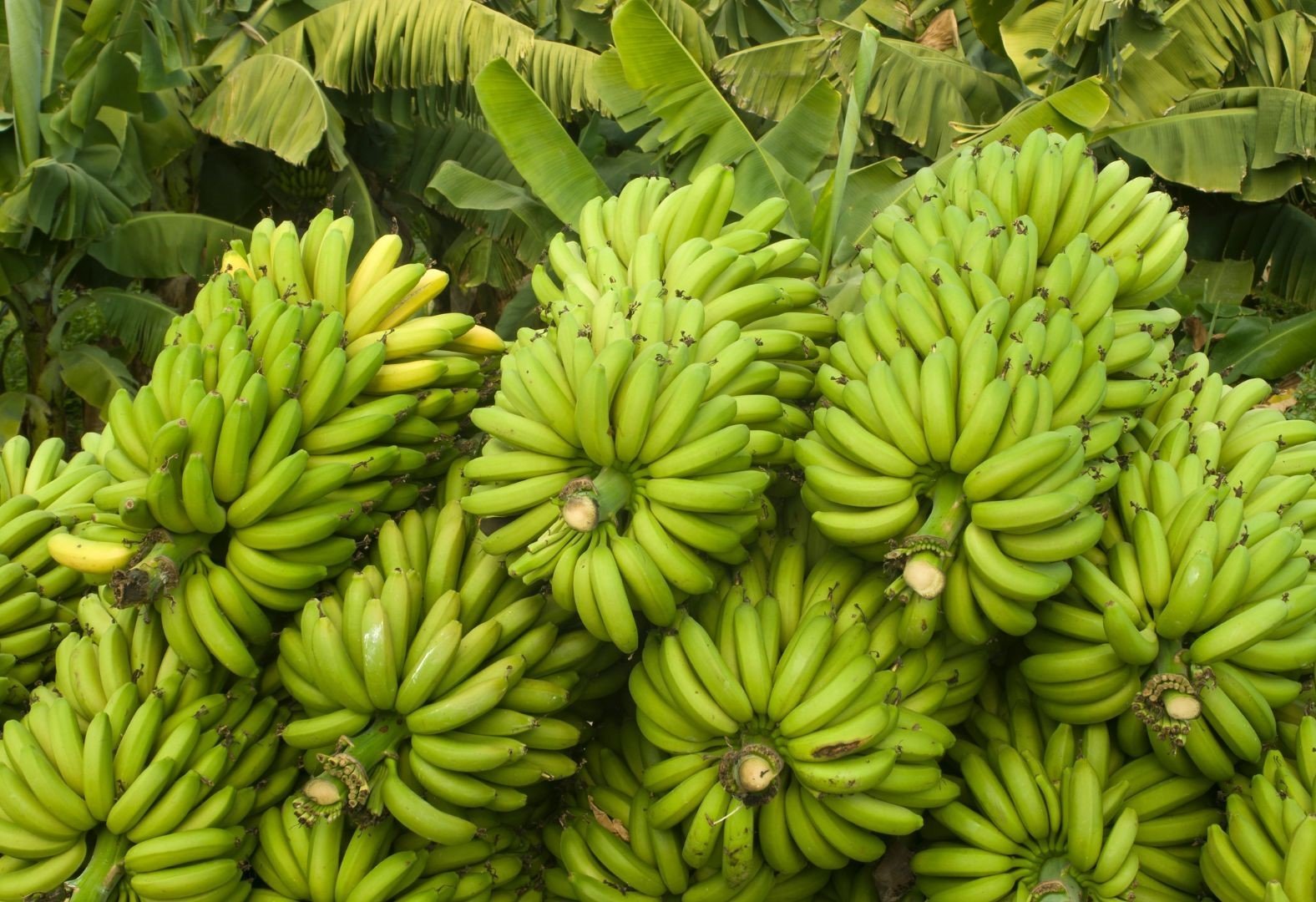
According to traders, a huge gap has been created between supply and demand due to the halt in Indian banana imports. Middlemen are playing in this gap. From farmer to consumer, bananas pass through four to five levels of traders. Each adds their profit and transportation costs, causing prices to skyrocket.
On the other hand, there are allegations that traders who import large quantities of bananas from India have created an 'artificial shortage' to pressure the government. Another reason for the high price of bananas is middlemen and artificial shortages. 'Banana production in Nepal does not sustain our market, but even the bananas produced in Nepal are not reaching the market in sufficient quantities. Those who supply fruits from India are trying to create market panic,' said a trader at Kalimati.
The trader says that those supplying fruits from India have made opening up banana imports from India their main goal. 'Their gamble is that if the market becomes too expensive, the government will reopen imports,' he said.
The Nepal Agricultural Research Council is preparing for tissue culture by bringing 'mother plants' of bananas from Belgium. It aims to produce disease-free and high-yielding plants.
According to NARC, there is a high demand for G-9 variety bananas in Nepal. Chitwan, Kailali, Sunsari, and Jhapa are considered pocket areas for commercial cultivation, but the lack of organized cold storage and ripening chambers causes Nepali bananas to spoil quickly.
The main reason Indian bananas look fresh for a long time is their strong 'cold chain' management. More than half of the price paid by consumers for bananas goes into the pockets of retailers and middlemen. The retailer's argument is, 'Bananas rot quickly, half have to be thrown away, so the price must be increased.'
- Lack of coordination
While it seems justified for the Plant Quarantine to stop imports citing disease, there is a lack of coordination between the Department of Commerce and the Ministry of Agriculture regarding the impact on the market. On one hand, the Ministry of Agriculture chants the slogan of self-reliance, while on the other, the Department of Commerce cannot control the black marketing happening in the market. Quarantine Information Officer Roshan Adhikari said, 'Our job is to look at biological safety. Looking at market prices is the job of other agencies.'
Agricultural activist Badri Kandel says that if Nepal is to truly become self-reliant in bananas, it is not enough for the government to just stop imports. He says that farmers should be provided with plants, fertilizers, and technology at subsidized rates. He emphasized the need to build ripening chambers and cold stores in various places and to create a mechanism where farmers receive a fair share of the price paid by consumers.
This specific news has been automatically translated by AI. As a result, there may be some inaccuracies or language errors.

_sVPoPmyQBl.jpg)

_QZuk60cL2q.jpg)
_GOnEFa1Iut.jpg)