Signs of Peace Emerge in West Asia as Lebanon-Israel Ceasefire Takes Effect

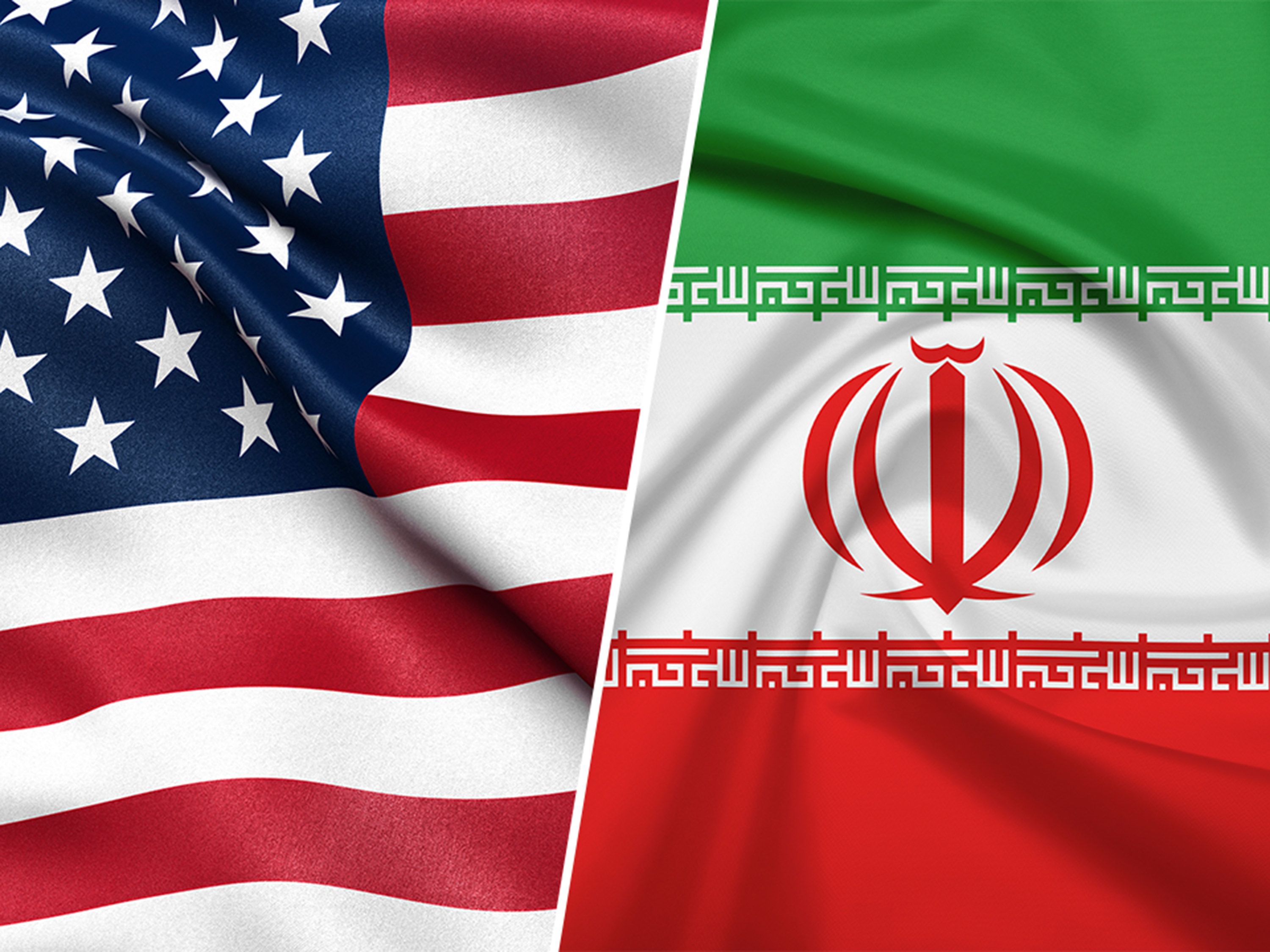
Washington D.C. | A 10-day ceasefire between Lebanon and Israel went into effect on Thursday. Meanwhile, U.S. President Donald Trump has signaled that the war with Iran is nearing an end, stating that another round of talks between the U.S. and Iran could take place later this week.
According to Trump, Iran has agreed not to possess nuclear weapons for over 20 years. Tehran's nuclear ambitions were the primary agenda during talks held in Islamabad, Pakistan, last weekend.
Speaking to reporters outside the White House, Trump said, 'We will see what happens next. But I think we are very close to reaching a deal with Iran.' A few hours later, at an event in Las Vegas, Nevada, he stated that the war 'must end very soon.'
The war with Iran, which began on February 28 following U.S. and Israeli strikes, has claimed thousands of lives and caused global oil prices to skyrocket, creating a major political crisis for the U.S. President.
If the Lebanon ceasefire paves the way for a broader peace deal with Iran, it would be a significant achievement for the Trump administration. The administration has been struggling to reopen the strategically vital Strait of Hormuz and prevent Iran from acquiring nuclear weapons.
When the ceasefire took effect at midnight on Thursday, celebratory gunfire was heard in various parts of Beirut. However, the peace appears fragile. On Friday morning, the Lebanese army accused Israel of violating the ceasefire by shelling villages in southern Lebanon. Israeli military spokesperson Avichay Adraee, however, claimed on X (Twitter) that troops were deployed in response to the activities of Hezbollah militants.
Hezbollah released a detailed account of its military operations against Israel throughout Thursday night, noting that the final attack occurred at 11:50 PM, just 10 minutes before the ceasefire took effect.
Trump has urged Hezbollah via social media to respect the ceasefire. He wrote, 'I hope Hezbollah will behave well during this critical period. If they do, it will be a great moment for them. There should be no more killing. Ultimately, there must be peace!'
Trump claims that a deal with Iran would lower oil prices and inflation while averting a nuclear crisis. He asserted that there is no need to extend the two-week ceasefire held between the U.S. and Iran last week, insisting that Tehran is willing to negotiate.
Trump stated that after nearly four weeks of bombing and a powerful blockade, relations with Iran are now much better. The conflict between Israel and Lebanon reignited 15 months ago after Iran-backed Hezbollah launched attacks on March 2 in support of Tehran.
Trump mentioned having 'excellent conversations' with Israeli Prime Minister Benjamin Netanyahu and Lebanese President Joseph Aoun, and plans to invite them to the White House soon for 'meaningful talks.' Trump also indicated he might travel to Islamabad, Pakistan, if a deal with Iran is ready to be signed.
Trump has directed Vice President JD Vance, Secretary of State Marco Rubio, and Chairman of the Joint Chiefs of Staff Dan Cane to work toward establishing permanent peace with Israel and Lebanon. Iran has welcomed the Lebanon ceasefire, stating it is part of an understanding reached with the U.S. through Pakistani mediation.
The closure of the Strait of Hormuz, which supplies about one-fifth of the world's oil and gas, has triggered the worst oil crisis in history. The International Monetary Fund has lowered its global economic projections, warning that a prolonged conflict could push the world to the brink of recession.
In the Islamabad talks, the U.S. proposed that Iran suspend all nuclear activities for 20 years, a sign of moving away from the previous stance of permanent restrictions. Iran had proposed a suspension of 3 to 5 years.
The U.S. is pressuring Iran to remove highly enriched uranium (HEU), while Iran is demanding the lifting of international sanctions. There are signs that Iran may agree to send a portion of its uranium out of the country.
Chief Pakistani mediator and Army Chief Asim Munir visited Tehran on Wednesday to attempt to reach a consensus on complex issues. Iranian officials stated that Munir's visit has raised hopes for a second round of talks and an extension of the ceasefire.
However, U.S. Secretary of Defense Pete Hegseth has warned that if no deal is reached, troops remain ready for war. According to a Pakistani security source, the U.S. is offering to lift sanctions and unfreeze billions of dollars in Iranian assets.
But Iran maintains that it will only reopen the Strait of Hormuz after a permanent ceasefire and a United Nations guarantee that the U.S. and Israel will not attack again in the future.
This specific news has been automatically translated by AI. As a result, there may be some inaccuracies or language errors.