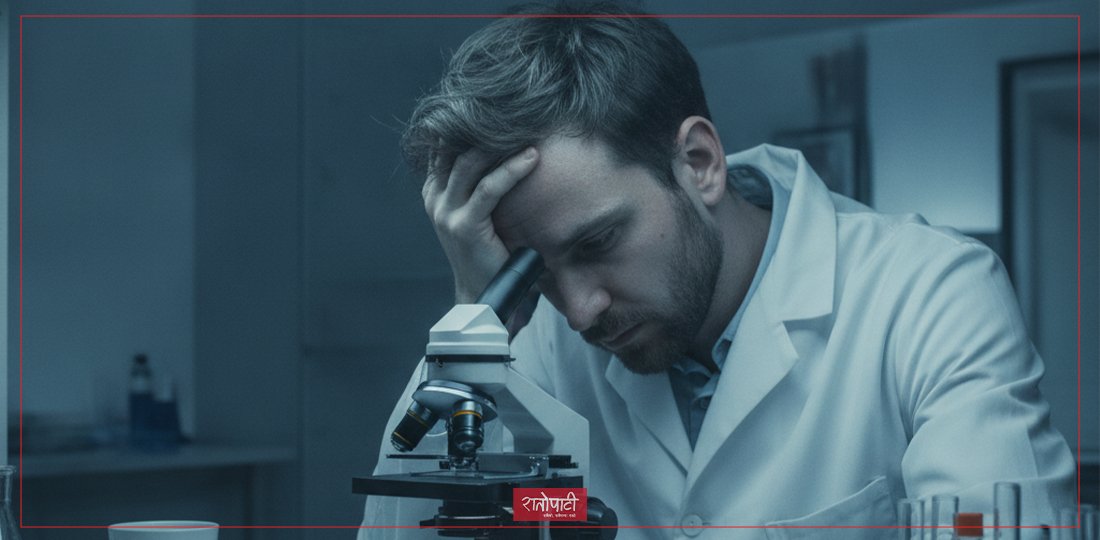
The Science of Crying: Why Do Humans Shed Emotional Tears?


When do we cry? We cry when we are sad, angry, or overwhelmed with joy.
But did you know that humans are the only species that shed tears linked to emotions?
Many animals make sounds when they cry to signal stress or distress, but they lack the neurological system to produce emotionally driven tears.
While scientists understand the mechanics of tear production, the exact reason why humans cry in response to emotions remains a subject of ongoing research.
- What causes tears?
Dr. Marie Bannier-Hélaouët, a postdoctoral fellow at the Institute of Human Biology in Switzerland, explains, 'Tears are composed of five elements: mucus, electrolytes, water, proteins, and lipids.'
Speaking on the BBC World Service program 'CrowdScience,' she noted that each component has a specific function. For instance, proteins are antiviral and antibacterial, while electrolytes are essential minerals involved in bodily functions.
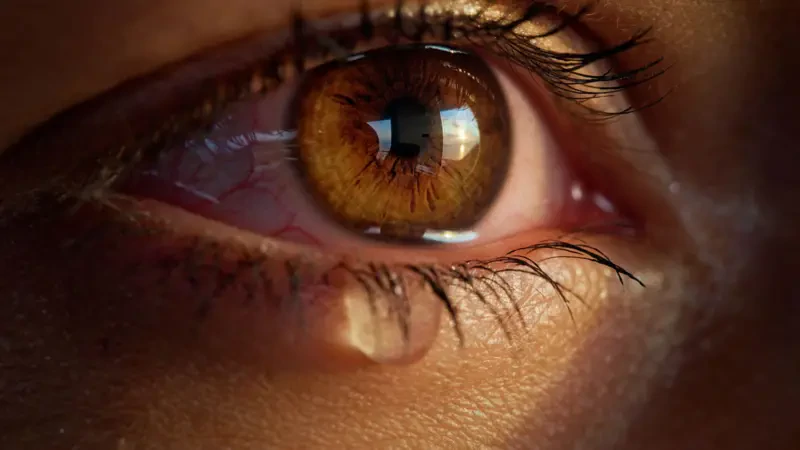
There are three types of tears. She explains, 'Basal tears are those that remain on the surface of the eye to keep it lubricated.'
Reflex tears flow when an irritant like dust or an insect enters the eye. Nerve cells in the cornea detect this, and the resulting tear layer protects the eye from debris.
According to Bannier-Hélaouët, 'The cornea contains more nerve cells than any other part of the body. These cells can sense temperature, mechanical stress, and dryness.'
The signal from these nerve cells travels to the lacrimal nucleus, which controls tear production.
- Emotionally Driven Tears
The third type of tear is emotional, and this is where the process becomes complex.
The parts of our brain that process emotions communicate with the lacrimal nucleus, but the mechanism is highly intricate.

According to Ad Vingerhoets, a retired professor of psychology at Tilburg University in the Netherlands, 'Crying expresses an overflow of emotions rather than a single feeling.'
He adds, 'Emotions are rarely clear-cut. They change rapidly and often overlap. As we age, the reasons for our emotional crying change. Physical pain is the primary cause for children, but this becomes less common in adults and the elderly.'
He explains that as we age, crying becomes linked to empathy; we no longer cry just for our own pain, but are moved by the suffering of others.
Vingerhoets notes that positive emotions, such as those triggered by the beauty of nature, can also bring tears to our eyes.
- Does Crying Provide Relief?
Many people report feeling lighter or relieved after crying, but whether this is scientifically true remains debated.
Lauren Bylsma, an associate professor at the University of Pittsburgh, is monitoring heart rates to determine if crying truly makes us feel better.
An electrocardiogram records heart rate, helping to understand how the nervous system functions during this process.

Her preliminary results suggest that just before crying, activity in the sympathetic nervous system—responsible for the 'fight or flight' response—reaches its peak.
She says, 'When crying begins, there is an increase in parasympathetic activity. This is the branch of our nervous system that helps us calm down and relax.'
However, Vingerhoets notes that crying does not always feel good, especially during depression or stress. He says, 'It depends on what we are crying about. We generally feel better crying in situations where we have some control, but not in situations where we feel helpless.'
The people around us also matter. He adds, 'If they respond with understanding and support, we feel better. But if they get angry or make us feel ashamed, there is no relief.'
- Social Signals
There is evidence that crying influences how others treat us.
A study in an Israeli laboratory found that men who smelled women's emotional tears were less aggressive during tests compared to those who smelled a saline solution.
Researchers agree that tears act as a social signal, indicating a need for help and increasing the willingness of others to assist.
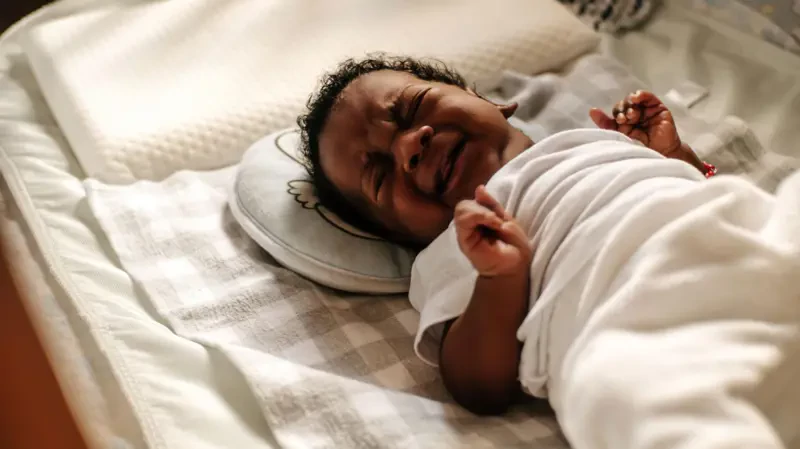
When it comes to infants, evidence shows that a baby's cry activates specific parts of an adult's brain, triggering caregiving behaviors.
Vingerhoets believes that human tears evolved because of our long childhood, during which we remain dependent on our parents.
He suggests that children's tears may also help reduce aggression in adults, as loud crying is distressing and can be a form of self-defense for the infant.
- Why Do Some People Cry More?
According to Bylsma, men cry on average zero to once a month, while women cry four to five times. However, she notes this is not a universal rule.
She says, 'Women are generally more emotionally reactive. This may be due to neurological, hormonal, and personality differences.'
Bylsma states there is currently no concrete evidence that hormonal changes during menstruation directly cause crying.

However, she suspects hormones play a role, given the physiological differences between men and women, as well as factors like pregnancy and aging.
Her research indicates that crying is also linked to neurotic or extroverted personality traits. She says, 'Neuroticism is associated with depression and anxiety, which might explain the correlation.'
'We also found that people with higher empathy are more likely to cry, perhaps because they react to seeing others in difficulty,' she adds.
Ultimately, crying appears to be a medium for social connection.
Vingerhoets concludes, 'It seems that crying acts like an exclamation mark (!). It makes you realize: Okay, this is very important.'
This specific news has been automatically translated by AI. As a result, there may be some inaccuracies or language errors.