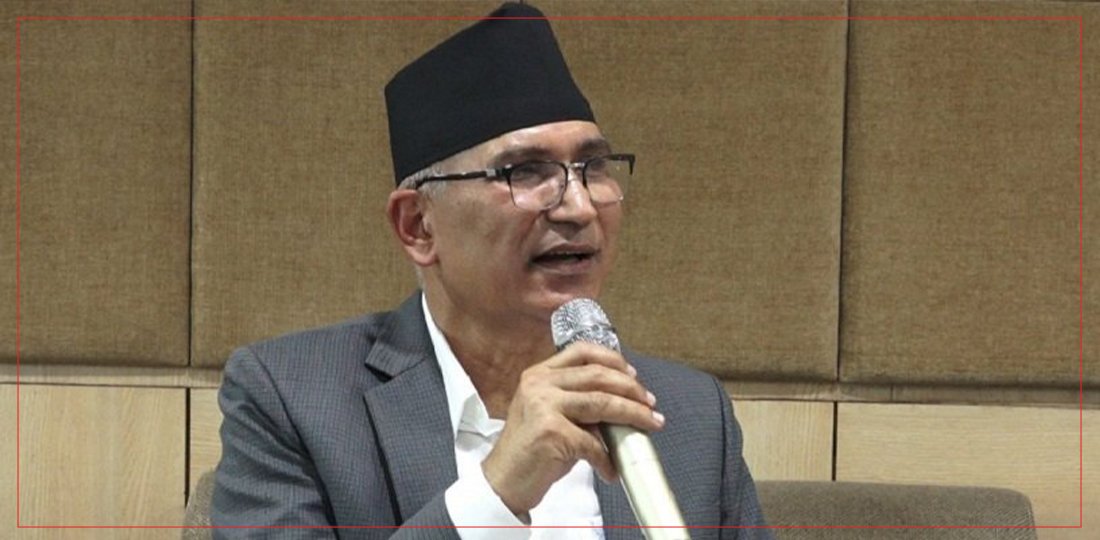
Farewell to Asha Bhosle: The Voice That Defined Generations


Renowned singer Asha Bhosle passed away on Sunday.
She was considered a titan of the Indian music industry and left behind many unforgettable songs as a playback singer.
The body departs, but some voices remain suspended in the air, traveling far, lingering for a long time, and sometimes, forever.
From Naya Daur to Teesri Manzil, Hare Rama Hare Krishna to Umrao Jaan and Ijaazat, all the way to Rangeela... times changed, scenes shifted, generations evolved, and the leading ladies on screen changed, but Asha Bhosle's voice remained forever young.

However, in discussions about the playfulness and vivacious nature of her songs, her long and arduous struggle is often overlooked.
The truth is that despite her extraordinary talent, Asha Bhosle had to settle for the 'number two' spot, because the number one position in the Hindi film industry was held by her great and legendary sister, Lata Mangeshkar.
Asha was determined to ignite her own distinct light in the face of the brilliance of the sun named Lata on the horizon of Hindi playback singing.
In that era, this seemed almost impossible. But through her persistence and unparalleled talent, Asha emerged from that shadow and carved out a complete space for herself in the musical firmament.
- The Musical Legacy and the Beginning of the Struggle
Asha's connection with music began in childhood. Her father, Deenanath Mangeshkar, was a scholar of classical music and a respected figure in Marathi theater.
Among his five children—Lata, Meena, Asha, Usha, and son Hridaynath—the sargam of notes resonated from childhood.
In their childhood days, the bond between Lata and young Asha was unbreakable. Asha would follow her sister like a shadow.
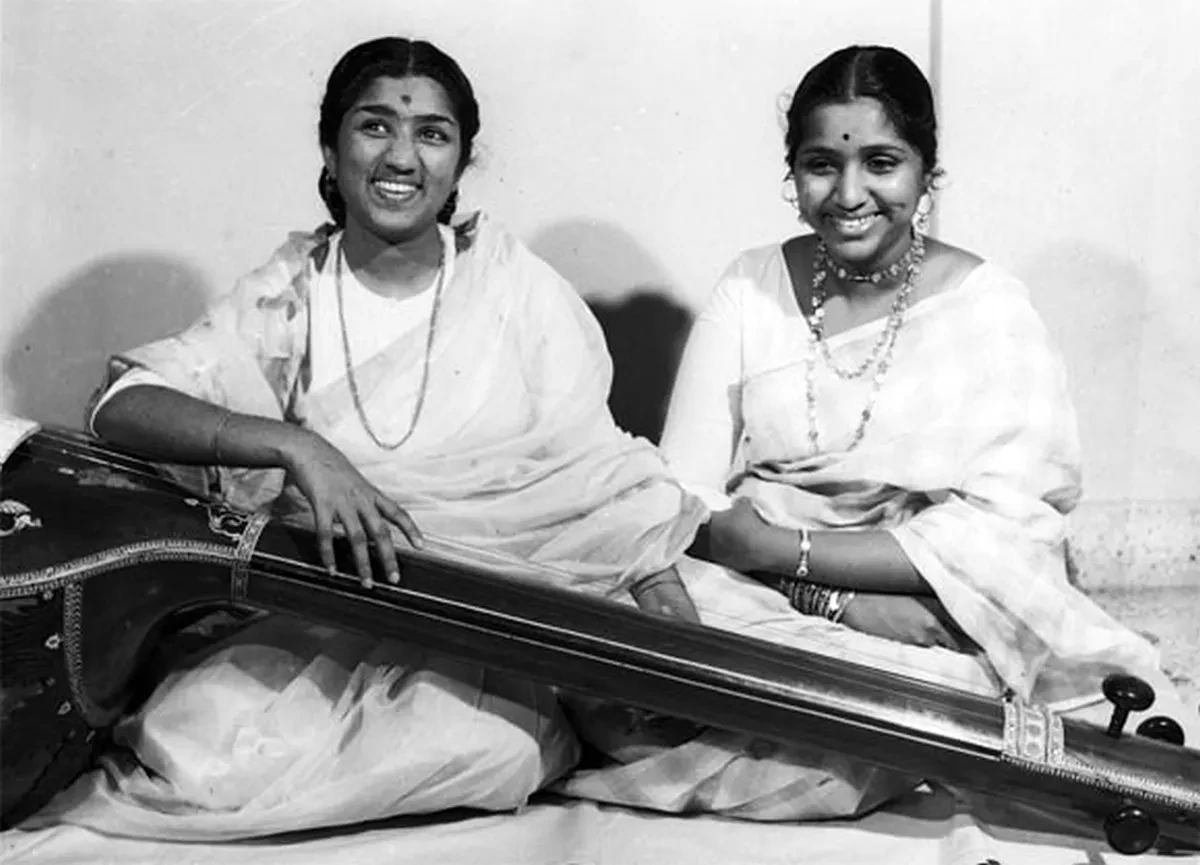
But when Asha was only nine years old, she lost her father's protection. His passing plunged the Mangeshkar family into deep financial crisis. In search of a livelihood, the family moved through Pune and Kolhapur before settling in Bombay (Mumbai) in 1945.
Here, 14-year-old Lata took the responsibility of the entire family on her shoulders and began her struggle in the difficult alleys of the film world.
Soon, Asha also began to support her in this struggle.
- First Steps and the Hide-and-Seek of Success
In 1948, Asha stepped into the world of playback singing through the film 'Chunariya'. She sang her first song 'Sawan Aaya Re' with Geeta Dutt and Shamshad Begum.
Just a year later, in 1949, she got her first solo song from the film 'Raat Ki Rani'.
This was the very year that proved to be a 'turning point' for her sister Lata Mangeshkar.
The song 'Aayega Aanewala' from the film 'Mahal' propelled Lata overnight to a peak of success from which she never had to look back.
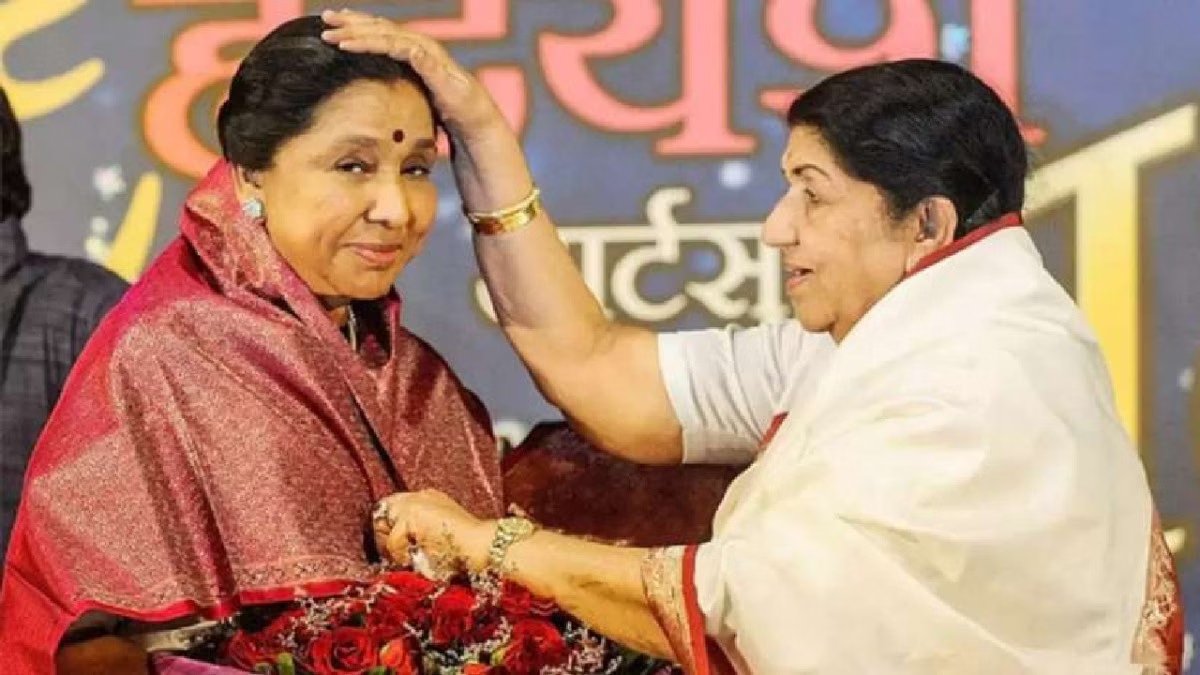
In the 1950s, Lata began climbing the ladder of success rapidly. She became the first choice of legendary composers like Naushad, C. Ramchandra, Shankar-Jaikishan, and S.D. Burman.
- Lata's Stature and Asha's Struggle
While Lata was establishing a monopoly in Hindi playback singing, Asha was not achieving that position despite hard work. In that era, Asha often only got opportunities in B-grade or low-budget films.
She was working with composers like A.R. Qureshi, Sajjad Hussain, and Sardar Malik, but major composers and big mainstream banners remained distant from her.
Film historian Raju Bharatan, who wrote Asha Bhosle's biography, recalled her early days in an interview, saying, 'In the beginning, Asha Bhosle was no miracle. She was just a "struggler". I have seen her struggling for work. If a producer could not get Lata, their next choice would be Geeta Dutt or Shamshad Begum. Asha's name did not even appear on that list.'
'Therefore, she sang whatever she got. One of her problems was her "Marathi-mixed Hindi" and pronunciation; she had not worked as much on improving her Urdu as Lata had. Besides this, her personal life and married life were also filled with many ups and downs and difficulties.'
The personal incident that Raju Bharatan referred to happened when Asha was only 16 years old. She left home at a young age and married 31-year-old Ganpatrao Bhosle of her own volition. This step, taken against the family's wishes, caused an initial rift between the two sisters that did not heal for years.
Lata Mangeshkar felt that this relationship was not right for her sister.
In one of her interviews, Asha Bhosle admitted, 'Lata Didi was strictly against this marriage. There was a time when our relationship became very bitter and for years, even communication between us had stopped.'
The marriage to Ganpatrao Bhosle was nothing short of a tragedy for her personal and professional life.
Recalling those days, Asha Bhosle wrote, 'It was a conservative family that could not accept a singing star as a daughter-in-law. My husband had a very bad temper; perhaps he enjoyed inflicting pain on others. But no one outside had even an inkling of this.'
During these years filled with stress and turmoil, Asha's career was also not progressing much, while Lata had already reached the peak of success during these years.
- Support from O.P. Nayyar and S.D. Burman
Asha's career received initial strength from the songs of Bimal Roy's Parineeta (1953) and Raj Kapoor's Boot Polish (1954).
But a major turn in her life came when she met composer O.P. Nayyar. Nayyar believed that he could deliver superhit music even without Lata.
Lata also did not work with him. Nayyar's initial choice was Geeta Dutt, but after the film 'C.I.D.', Asha Bhosle made a place for herself in his music.
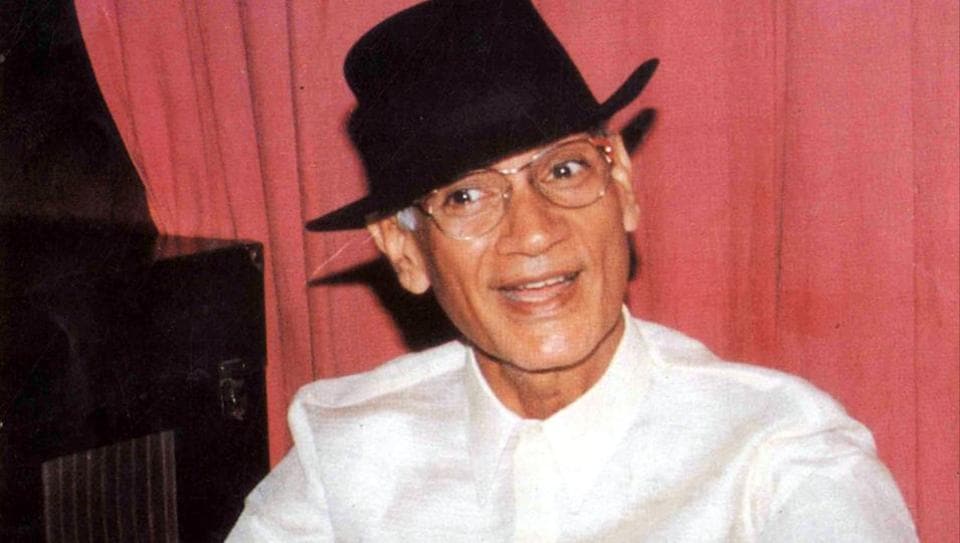
He recognized the depth of the lower notes in Asha's voice and created history with Naya Daur (1957). Songs like 'Ude Jab-Jab Zulfein Teri' and 'Maang Ke Saath Tumhara' made Asha the voice of the film's main actress for the first time and made her a part of a big camp like B.R. Chopra.
That same year, a disagreement between composer S.D. Burman and Lata Mangeshkar opened a new door of success for Asha. For the next five years, when S.D. Burman did not work with Lata, Asha emerged as the main singer of his camp.
In those days, it was a hot topic in film circles and magazines that Lata was very angry with her sister over this. But in these five years, Asha proved her capability.
The quartet of S.D. Burman, Kishore Kumar, Asha Bhosle, and lyricist Majrooh Sultanpuri started a new era of romantic and playful songs.
Unforgettable songs like Haal Kaisa Hai Janaab Ka (Chalti Ka Naam Gaadi), Aankhon Mein Kya Ji, Chhod Do Aanchal (Paying Guest), and Deewana Mastana Hua Dil (Bombai Ka Babu) are remembered by people to this day.
S.D. Burman did not limit Asha to just playfulness and vivacity, but also refined the depth of her voice.
In the film 'Kala Pani', there was a playful romantic song like Asha's 'Achha Ji Main Haari' as well as a Thumri-style song like 'Nazar Lagi Raja Tore Bangla Par'.
On the other hand, by having her sing very serious and emotional songs in films like 'Sujata' and 'Lajwanti', he proved that Asha is a master of every shade.
- Nayyar, Growing Closeness, and a New Identity
This era of O.P. Nayyar and S.D. Burman was not just about work for Asha, but a golden time to refine her own distinct identity. But behind this brilliance, there was also a personal darkness.
In 1960, Asha's marriage with three children came to a tragic end. Amidst this turmoil, her growing closeness with composer O.P. Nayyar created a stir in film circles.
Since the paths of Lata and Nayyar had diverged, Asha's closeness to Nayyar became a reason to deepen the bitterness between the two sisters.
But for Asha's career, this proved to be an excellent time. This duo gave Hindi music timeless songs like Aaiye Meherbaan (Howrah Bridge), Aao Huzoor Tumko, Kajra Mohabbat Wala (Kismat), and Ye Hai Reshmi Zulfon Ka Andhera (Mere Sanam).
The real credit for taking Asha out of Lata's shadow and establishing her as a bold and distinct style of singer goes to O.P. Nayyar.
Asha Bhosle sang 324 songs in 60 films during her partnership with O.P. Nayyar, meaning an average of more than five songs per film.
But despite a long list of successful songs and hit tracks, every major path in the world of music still passed through Lata's voice. Asha had built her foundation, but Lata Mangeshkar's absolute rule continued in the world of Hindi playback singing.
In Asha Bhosle's biography, Raju Bharatan has written that in the 1950s and 60s, Lata had such dominance in the music world that she would charge 500 rupees for a song, while Asha had to settle for only 100-150 rupees.
Lata had the freedom to choose what she would sing and for whom, while Asha had no such option. This discrimination stung her deeply. The neglect and lack of support from her sister also increased the distance.
Asha took this as a challenge and determined to prove herself on her own strength.
This mutual conflict and jealousy between the sisters even reached the canvas of cinema. It is believed that director Sai Paranjpye portrayed this very story of two sisters in the music world in her film Saaz (1997).
- Pancham and Asha
While working with S.D. Burman, Asha met his son R.D. Burman (Pancham). Younger in age, Pancham was looking for his own foundation amidst his father's legacy. No one had guessed that in the coming years, this duo was going to create a new history of notes.
In 1966, their first professional collaboration began with Nasir Hussain's film Teesri Manzil. From here, the foundation of that creative and romantic partnership was laid, which changed the very impact of Hindi film music.
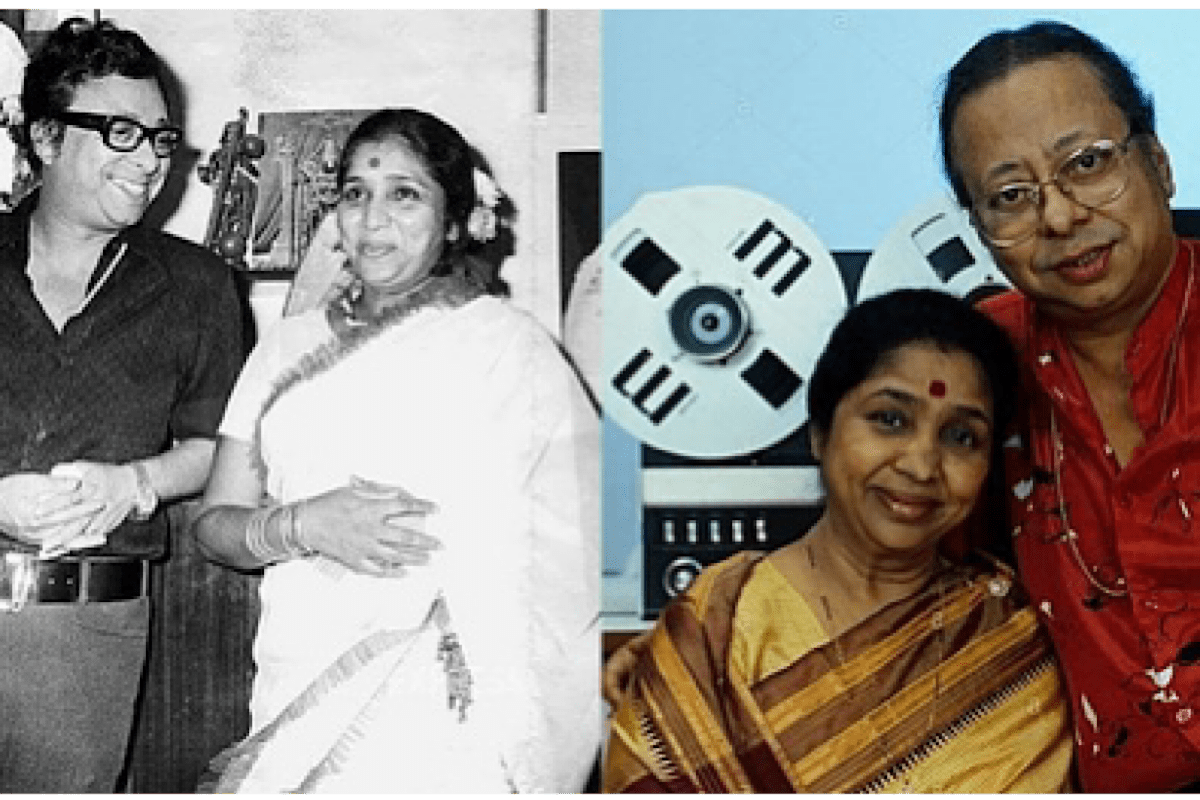
On one side was the romantic sweetness of 'O Mere Sona Re', and on the other was the stormy rhythm of 'O Haseena Zulfon Wali', in which the magical control with which Asha bound her breath to the notes stunned everyone.
When R.D. Burman came into the industry, he had music from all over the world in his mind. He wanted to experiment with funk, jazz, cabaret, and rock-and-roll in Hindi cinema. But to execute these complex tunes, he needed a voice that was flexible and had the courage to take risks.
Asha Bhosle became that voice.
Pancham wove Western style into his music, and Asha's voice filled that music with a new color of bold attraction and independent thought.
But Pancham's vision was not limited to just noise; he also recognized that range of Asha's voice which the world had not heard until then.
On one hand, Piya Tu Ab To Aaja (Caravan) and Dum Maro Dum (Hare Rama Hare Krishna) established Asha as a 'Cabaret Queen' or a singer with a modern Western vibe, while in the film Ijaazat (1987), this duo proved with songs like Mera Kuch Samaan and Khali Haath Shaam Aayi Hai how quietly they can express the pain of poetry.
Especially in 'Mera Kuch Samaan', the spiritual emotion with which Asha sang that prose-like poetry without any fixed rhythm is considered a school of singing even today.
In this jugalbandi with Pancham, Asha molded herself into every mold—whether it was the playfulness of cabaret, the stillness of ghazal, or the complexity of classical bandish.
She showed that her amazing ability to change the color of her voice has no comparison in the world of music.
- A New Line of Notes... When Asha Became 'Umrao Jaan'
But destiny had chosen another challenge for her, that transformation of Asha's voice which made her a 'legend' from just a singer.
Until now, in Hindi films, the meaning of ghazal was considered to be only Lata Mangeshkar. For Muzaffar Ali's 'Umrao Jaan', composer Khayyam had the challenge of drawing a new line in front of a great legacy like the film 'Pakeezah'.
Khayyam took a bold decision and chose Asha Bhosle, but with a strict condition: 'We do not want "Asha" in the songs.'
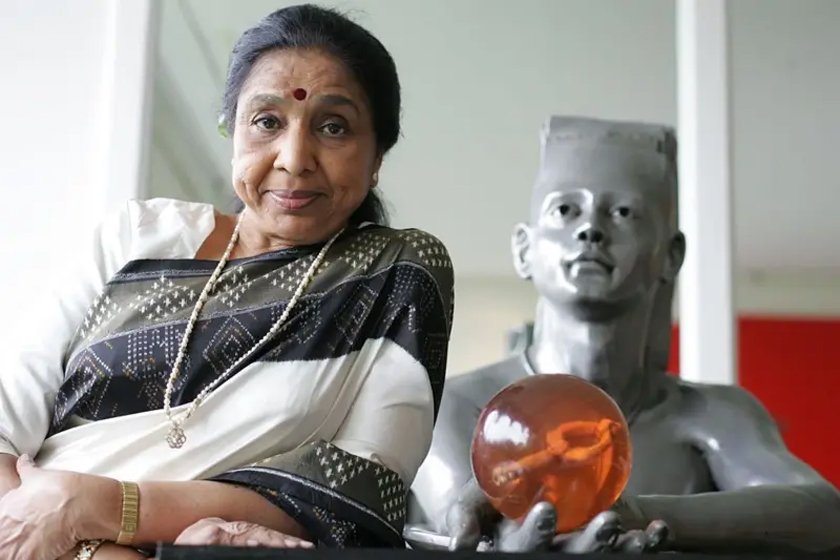
His hint was that Asha would have to leave behind her well-known playfulness and vivacity and adopt a classical singing style filled with stillness.
Khayyam wanted Asha to sing by taking her voice one and a half notes lower. Singing at such a low note was completely new and frightening for Asha.
After eight days of hard practice, when the recording started, there came a moment when Asha's courage began to fail. She felt she could not sing.
But when the recording was completed and Asha heard herself, she was stunned. Timeless ghazals like Dil Cheez Kya Hai, In Aankhon Ki Masti Ke, and Ye Kya Jagah Hai Doston showed the world that velvety and serious side of Asha's voice of which everyone was unaware until now.
The result is recorded in history. For Umrao Jaan, both Khayyam and Asha Bhosle received National Awards.

The cycle of time kept turning, musical instruments kept changing, but the energy of Asha's voice never diminished.
In recent years, with films like Rangeela, Lagaan, and Taal with A.R. Rahman, she proved again that there is no age limit on her notes.
Where many singers of her time were angry about the changing form of music and remixes, Asha embraced the new era with an open heart.
She herself released remix albums of her old songs and introduced the new generation to that magical music.
Asha Bhosle's journey remained filled with thorns, a struggle to emerge from the vast shadow of her own sister, but ultimately, her persistence won.
She showed the world that she is a complete artist who can mold into every color—a voice that was young yesterday as well, and whose playfulness will touch the soul of every era.
This specific news has been automatically translated by AI. As a result, there may be some inaccuracies or language errors.