Iran Rejects U.S. Diplomatic Proposals Amid Rising Tensions in the Strait of Hormuz
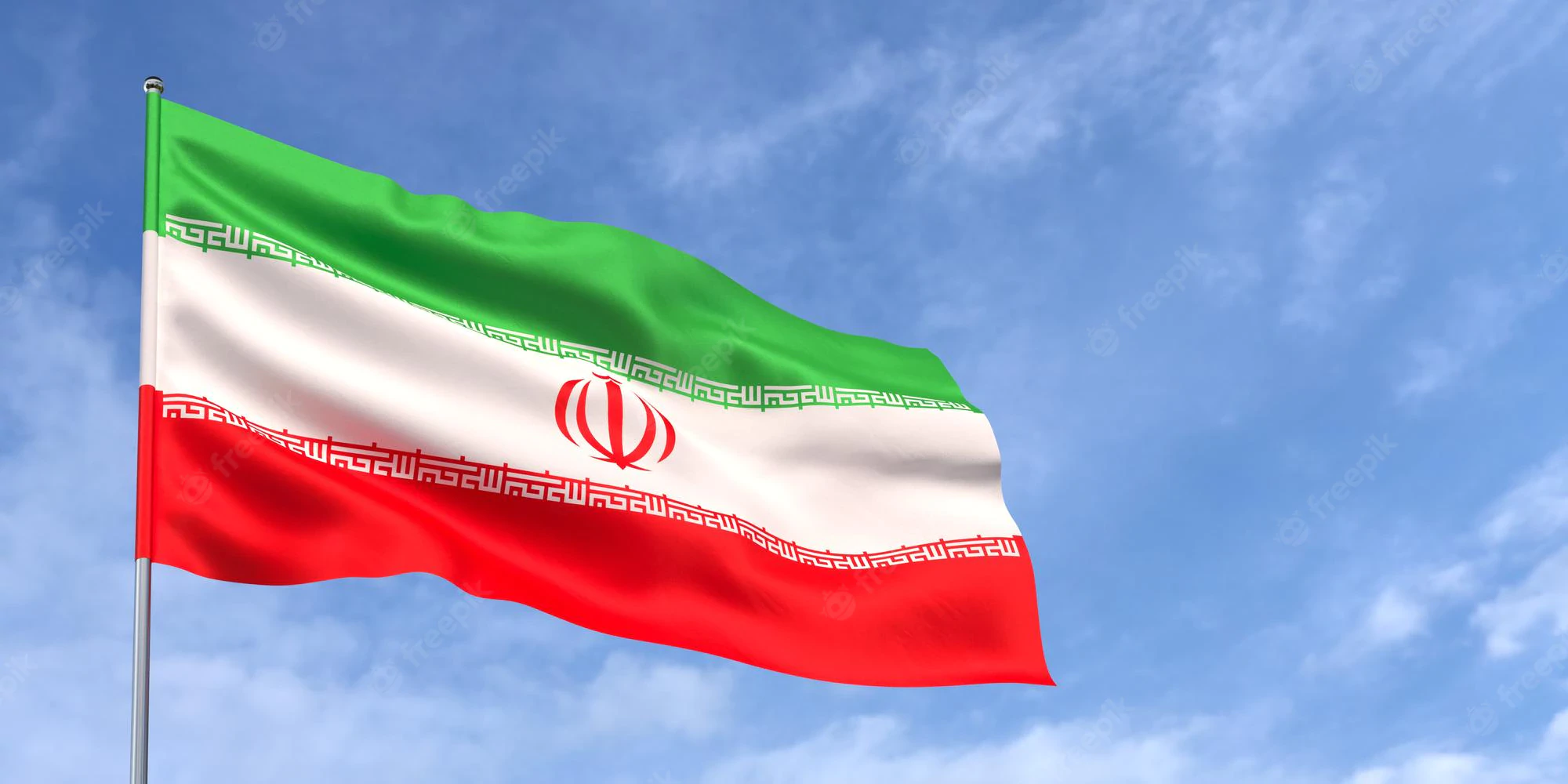
Tokyo. Amidst escalating U.S.-Iran tensions, the Iranian Embassy in Japan has questioned the validity of diplomatic talks, asserting that objectives unattainable through military aggression cannot be imposed via diplomacy. This stance was reiterated following recent discussions in Islamabad.
In a statement released via X, the embassy rejected the 'final and best proposal' put forward by U.S. Vice President JD Vance, labeling it as one-sided and unacceptable. Iran emphasized that such proposals must be reciprocal and cannot be used as a tool for one party to exert pressure.
The embassy dismissed Vance's claim that 'Iran has chosen not to accept our terms' as a forced narrative. According to the embassy, this is an attempt to coerce the other side into accepting demands that failed on the battlefield, which contradicts diplomatic principles. Furthermore, Iran claimed that the current conflict was not initiated by them.
Iran noted that Vance's remarks necessitate a more serious and critical debate within the international community. Addressing comments regarding 'bad news for Iran,' the embassy called for an objective assessment. Additionally, Iran expressed gratitude to Pakistan for its role in hosting and facilitating the talks.
Meanwhile, signs of further regional escalation have emerged. The U.S. Central Command (CENTCOM) announced that two of its warships, the USS Frank E. Petersen (DDG 121) and the USS Michael Murphy (DDG 112), are preparing for mine-clearing operations while transiting the Strait of Hormuz, describing the move as part of a broader campaign to secure the waterway.
However, Iran has categorically rejected the U.S. claim. A spokesperson for the Khatam al-Anbiya Central Headquarters of the Iranian Armed Forces stated that reports of any U.S. vessels entering the area are false. According to the spokesperson, the movement of ships in the Strait of Hormuz remains under the full control of the Iranian Armed Forces.
Analysts suggest that the growing exchange of accusations between both sides is complicating the prospects for a diplomatic solution, with power projection appearing to take precedence over dialogue.
This specific news has been automatically translated by AI. As a result, there may be some inaccuracies or language errors.