New Peace Proposal Emerges to Avert Conflict Between U.S. and Iran

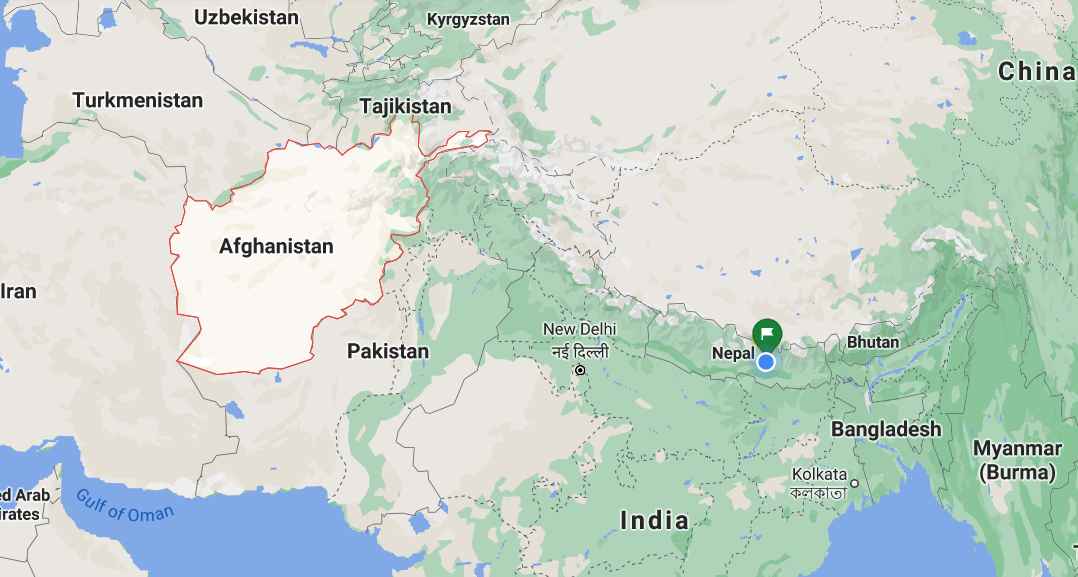
Kathmandu. A new peace proposal has been introduced to prevent war between the United States and Iran. According to the news agency Reuters, a new 'framework' for ending hostilities has been presented to both nations, with Pakistan playing the role of primary mediator.
The proposal reportedly includes a two-phase plan. The strategy involves an immediate 45-day ceasefire in the first phase, followed by a more detailed agreement to establish long-term peace.
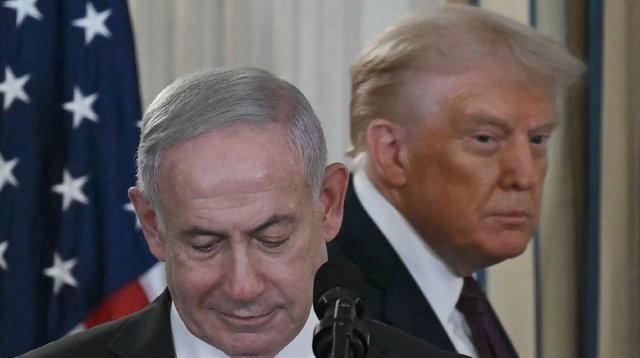
BBC reports that in addition to Pakistan, Egypt and Turkey are also mediating in this negotiation process. Specifically, the report notes that Pakistan's Army Chief Asim Munir has been in constant communication with U.S. Vice President JD Vance regarding the matter. This new proposal comes against the backdrop of U.S. President Donald Trump giving Iran an ultimatum to open the Strait of Hormuz by 8:00 PM on Tuesday.
Trump has warned that if the strait is not opened within the specified time, he will target Iran's civilian infrastructure. Meanwhile, Iran has made it clear that negotiations cannot take place under the pressure of Trump's threats and ultimatums. Iranian Foreign Ministry spokesperson Esmail Baghaei, speaking through state media IRNA, stated that the 15-point proposal previously sent by the U.S. is not acceptable to them.
He indicated that Iran has prepared a counter-proposal based on its own interests and 'red lines,' and will release the details at an appropriate time. Iran has rejected the condition of opening the strategically important Strait of Hormuz as part of any temporary ceasefire.
It remains unclear how the new proposal addresses complex issues such as the Strait of Hormuz, nuclear enrichment, and regional security. Although both sides have yet to release an official stance on the proposal, the report notes that the international community views this as a significant opportunity to prevent war.
This specific news has been automatically translated by AI. As a result, there may be some inaccuracies or language errors.