
Nepal's Two-Day Weekend Policy Sparks Widespread Concern Over Economic and Educational Impact

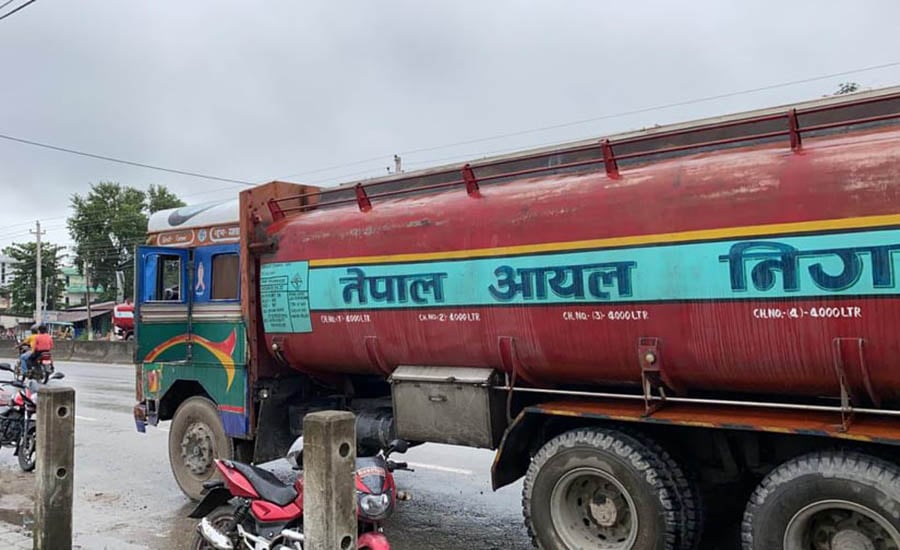
Kathmandu. The government's decision to implement a two-day public holiday to reduce petroleum consumption and preserve foreign currency reserves has triggered significant concern.
While the government claims this move addresses the global energy crisis stemming from the ongoing war in West Asia, stakeholders have criticized it as impractical and detrimental. Projections indicate severe negative impacts, particularly on the education sector and low-income groups.
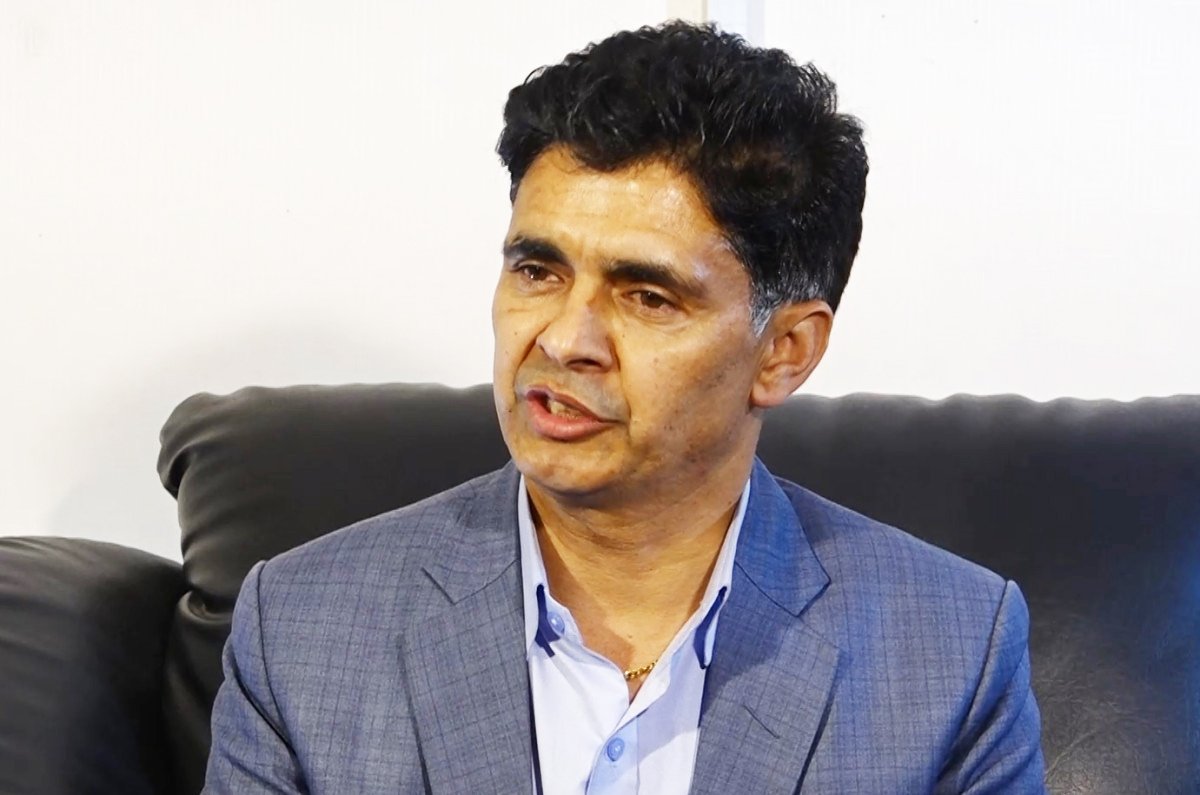
With holidays on Saturday and Sunday, the total number of public holidays will reach 104 days annually. When combined with Nepal's numerous religious and cultural holidays, the number of non-working days will exceed working days. According to Bishnu Parajuli, Vice President of the National Private and Residential Schools Association Nepal (National PABSON), this decision makes it impossible to complete the government-mandated curriculum on time, leading to a significant decline in student learning outcomes.
Noting that Nepal's curriculum is extensive and internationally aligned, Parajuli argues that reducing working days while delaying the start of the academic session will prevent the achievement of national educational goals. He has demanded that the government reconsider this decision and revert to a one-day weekend as soon as petroleum supplies stabilize.
Beyond education, the revised office hours of 9 AM to 5 PM for public service delivery are also deemed impractical. The requirement to reach the office by 9 AM poses significant challenges for both employees and service seekers, who must manage household chores and childcare in the morning, raising questions about the effectiveness of government services.
Another critical aspect of this decision involves its social and economic impact. The two-day holiday is a burden for daily wage earners and working parents. With schools closed for two days, there are concerns about children developing mobile phone addictions, falling into bad habits due to a lack of supervision, and facing increased safety risks. Furthermore, the necessity for one parent to stay home to care for young children directly impacts their daily earnings.
The government's decision to delay the start of the academic session by 15 days from Baisakh 1 has created additional pressure on the academic calendar. Parajuli argues that as instructional days decrease, the resulting downtime from pushing the academic session back by 15 days will distract students and increase expenses.
This specific news has been automatically translated by AI. As a result, there may be some inaccuracies or language errors.
_fkg5u05PqN.jpg)




_6BsDewPY2j.jpg)