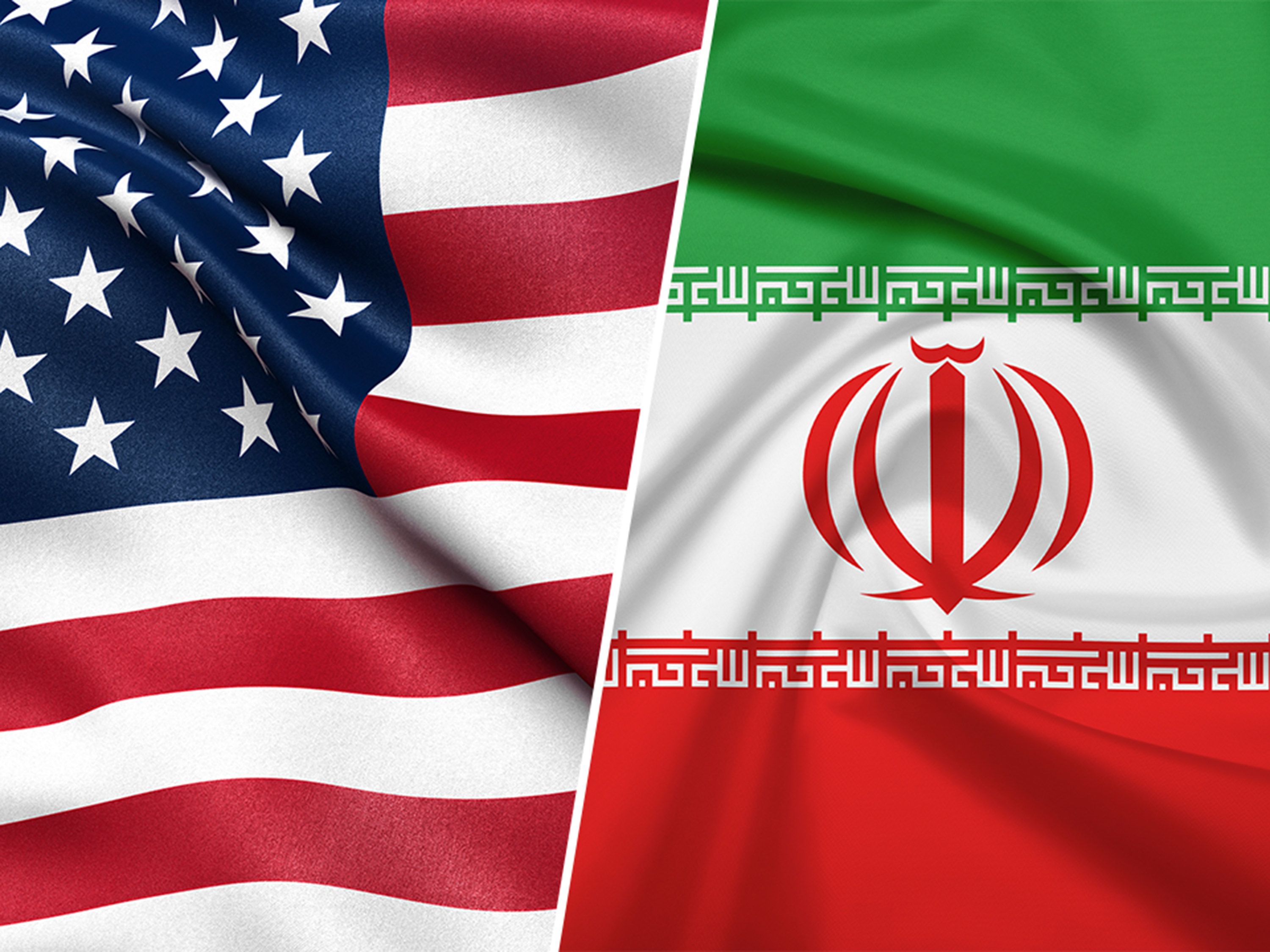
Regional Tensions Escalate as US-Israel Military Operations in Iran Intensify

_gDF6c1tHM9.jpg)
Kathmandu. The security situation in West Asia has become increasingly grave and complex following the launch of joint large-scale military operations by the United States and Israel against Iran on February 28. The ongoing conflict, marked by continuous airstrikes, counter-attacks, and heightened military activity, has significantly undermined regional stability.
According to the latest data released by the Pentagon, 365 U.S. service members have been injured as of April 3, underscoring the intensity and impact of the conflict. The casualties include 63 personnel from the Navy, 19 from the Marine Corps, and 36 from the Air Force, reflecting the multi-domain nature of the fighting.
Meanwhile, the death toll among U.S. troops has been confirmed at 13. Of these, seven were killed during direct hostile engagements, highlighting the severity of frontline combat.
Additionally, an Iranian attack in Kuwait resulted in the deaths of six soldiers, demonstrating the conflict's spillover into neighboring nations. Another soldier died following injuries sustained in Saudi Arabia. These incidents indicate that the war is expanding beyond a single country into a broader regional crisis.
While reports suggest that several U.S. warplanes were downed or damaged during an Iranian military strike on Friday, it remains unclear whether the aircrews involved are included in the current casualty figures.
Consequently, the full extent of the damage remains to be determined. Overall, the conflict is exerting a profound humanitarian, military, and geopolitical impact, with projections suggesting the situation may grow even more complex in the coming days.
This specific news has been automatically translated by AI. As a result, there may be some inaccuracies or language errors.