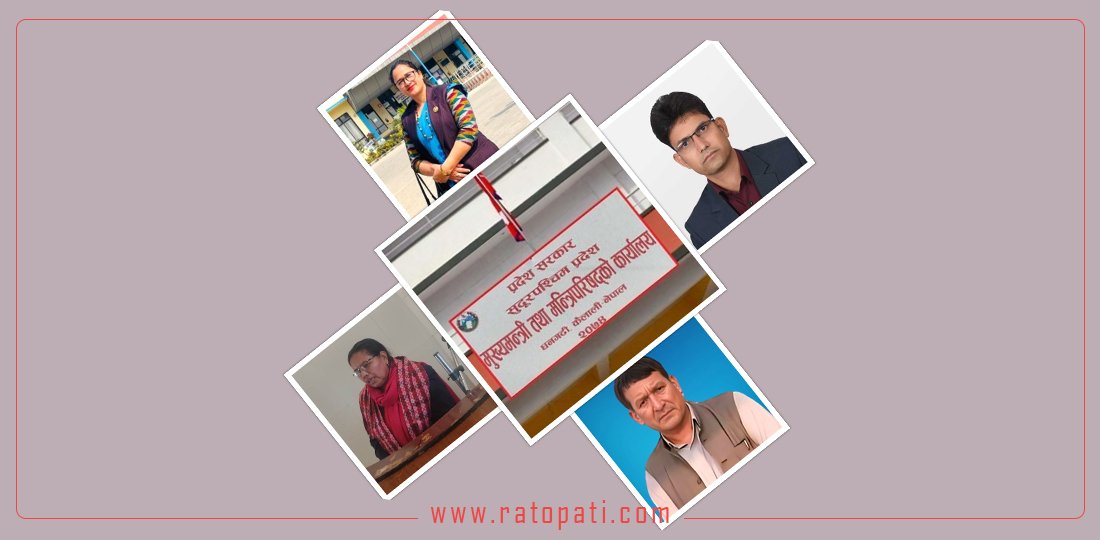
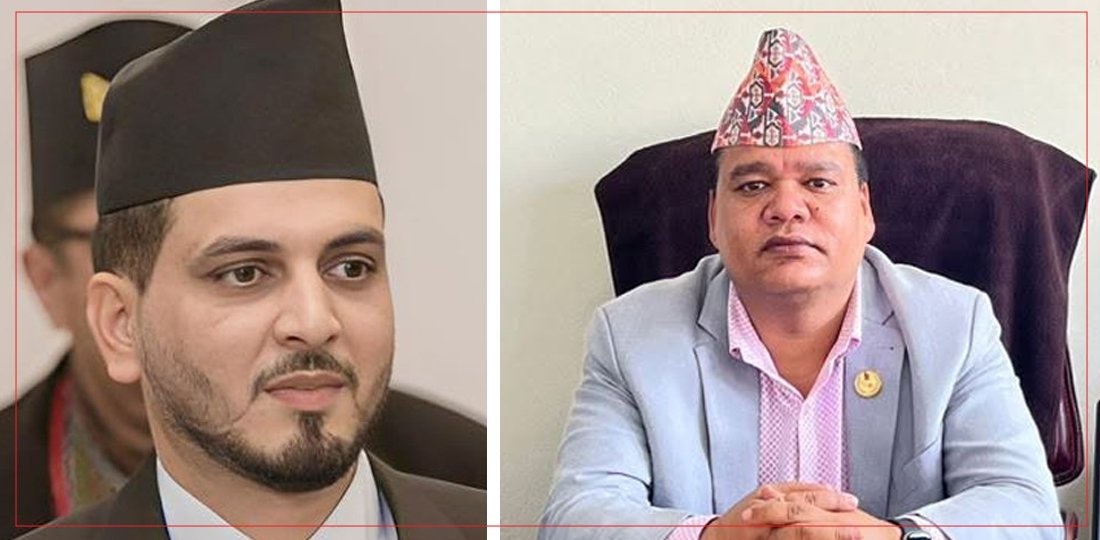
Internal strife deepens in CPN-UML following controversial parliamentary remarks by Ram Bahadur Thapa


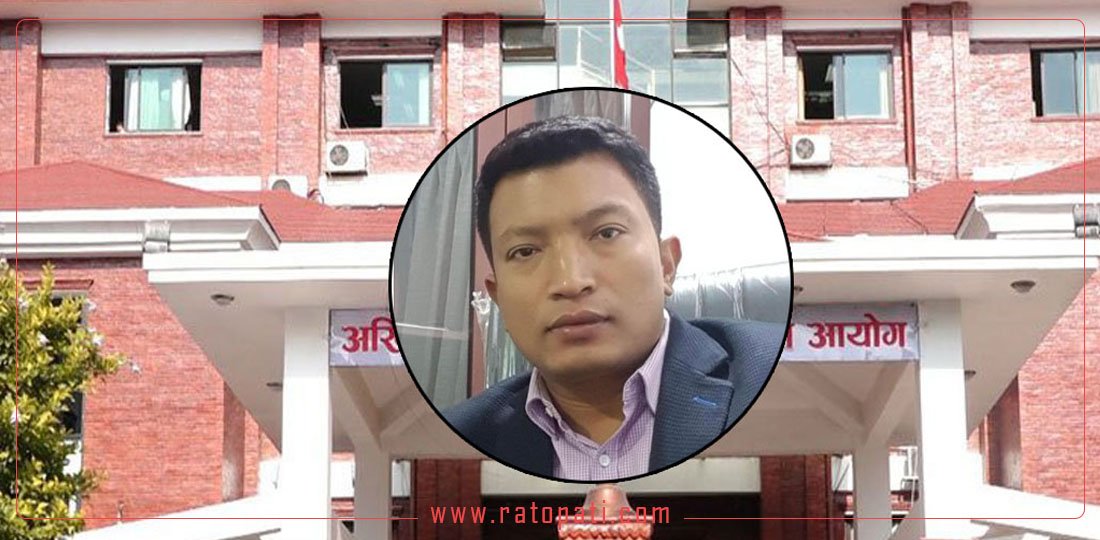
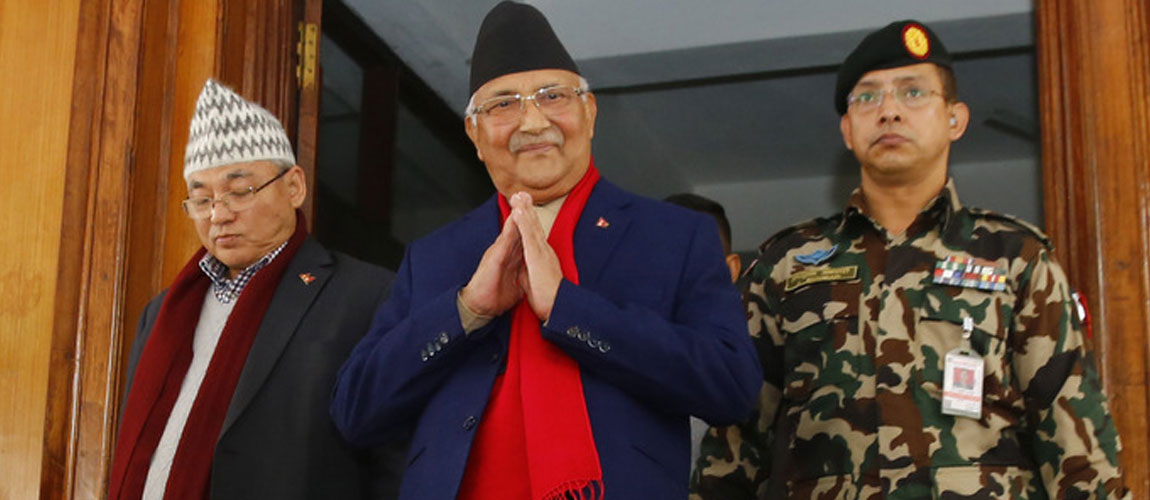
Kathmandu. Internal friction within the CPN-UML, which has reached a weakened state in terms of electoral mandate, is further intensifying. The dispute escalated after Ram Bahadur Thapa 'Badal', a leader with a former Maoist background, became the acting chairman and parliamentary party leader based on seniority following the arrest of Chairman KP Sharma Oli, who was taken into custody based on the report of the Gauri Bahadur Karki Commission formed to investigate the Gen-Z movement.
Chairman Oli was arrested on Saturday based on the Karki Commission's report, and police are currently investigating him.
A faction within the UML had already been seeking an alternative to Chairman Oli, arguing that he failed to grasp the essence of the Gen-Z movement and focused on covering up weaknesses rather than acknowledging them. This group had been suggesting that even if the party chairman could not be changed through the general convention, a leader from the younger generation should be made the parliamentary party leader. To address this sentiment, young lawmaker Suhang Nembang had prepared to file his candidacy in the election held on Chaitra 18 to choose the party leader.
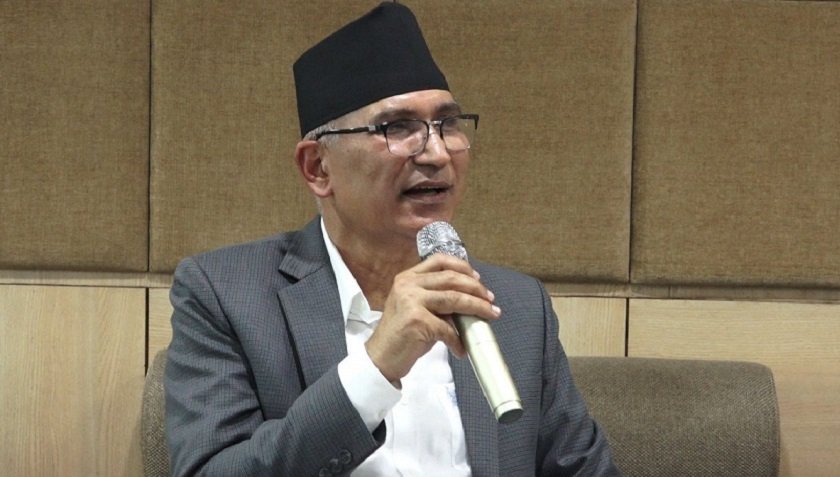
However, party Chairman KP Sharma Oli and General Secretary Shankar Pokharel directed party lawmakers not to support Suhang. Consequently, Suhang did not register his candidacy, and Ram Bahadur Thapa 'Badal' was elected unopposed as the UML parliamentary party leader.
Following the decision to block Suhang and appoint Badal, young leaders of the UML began criticizing the leadership's working style and conduct. While this dissatisfaction persisted, Chairman Oli also entrusted Badal with the responsibility of acting chairman.
The day after Badal received both positions, on Chaitra 19, the first meeting of the House of Representatives was held, where he got the opportunity to speak in parliament as the party leader.
There, Badal presented facts regarding who played a decisive role in the UML's electoral defeat and the Rastriya Swatantra Party's (RSP) victory. He claimed, 'Who played a decisive role internally in this unprecedented victory? The facts clarify that the Nepal Army, bureaucracy, Sushila government, Karki Commission, Barbara Foundation, and other institutions and figures played a decisive role in this victory.' Badal also congratulated all the figures and institutions that played such a role on behalf of the party.

Not only that, leader Badal claimed that those who established the heroes of nationalism, democracy, republicanism, federalism, secularism, peace, and prosperity as 'villains' and 'murderers,' while trying to make those who burned Singha Durbar and worked on their national identity 'great heroes,' were the ones who played a decisive role in this magical victory externally.
Immediately after leader Badal made this statement in parliament, Deputy General Secretary Yogesh Bhattarai was the first to oppose it. Bhattarai clarified on social media that 'People's Multiparty Democracy' (Jabaj) is the ideology of the CPN-UML, which aims to achieve superiority through competition and prepare the foundation for socialism through the peaceful and legal transformation of Nepali society, expressing his objection to Thapa's statement.
'Our party has no animosity towards security agencies including the Nepal Army, constitutional bodies including the judiciary, and the bureaucracy; our party will continue to respect and trust them,' Bhattarai said. 'Whether in parliament or on the streets, in the ruling party or opposition, this position of the party will remain unchanged.'
Shortly after Bhattarai expressed his objection via social media, another UML leader and Vice-Chairman Bishnu Paudel also opposed Badal's statement in support of Bhattarai. 'The views expressed by Hon. Ram Bahadur Thapa in the capacity of CPN (UML) parliamentary party leader in the House of Representatives meeting are contrary to the party's established policies and values,' Paudel said. 'I expect that this will be seriously discussed in the CPN (UML) central secretariat meeting called for tomorrow, and an appropriate decision will be made.'
Similarly, another former Vice-Chairman Surendra Pandey also opposed Badal's statement on Friday morning.
'Yesterday in parliament, long stories of "conspiracies" were heard. The army didn't save us, the bureaucracy didn't listen, technology caused the defeat – all blame on others! We are also to blame – isn't the incompetence of our own government responsible for creating this environment?' questioning this, Pandey said, 'Now this "nationalist" politics of claiming to be "under siege" is very old. The only true nationalist line now is Nepal's economic reform; everything else is just their own agendas.' Furthermore, Pandey warned against hiding one's own weaknesses to confuse cadres and push them towards extremism.
Oli's 'Green Signal' to Badal
According to UML leaders, the statement Badal made in the parliament meeting on Thursday was not something he said on his own accord. He had even borrowed the words of Chairman Oli for it, with the support of General Secretary Shankar Pokharel.
'Badal did not speak without consulting the chairman,' says a secretariat member. 'There was a discussion with the chairman and the general secretary.' According to that leader, the controversy arose because there was no objective review of the election and no discussion in the secretariat about what to say.
Why did Bishnu get upset?
Bishnu Paudel, who rarely speaks, was considered one of the confidants of CPN-UML Chairman KP Sharma Oli in the past.
Leaders Bhattarai and Pandey contested the election in the 11th General Convention of the UML from the Ishwar Pokharel group. Pandey was defeated for General Secretary, while Bhattarai won as Deputy General Secretary. Pandey and Bhattarai's perspectives on the Gen-Z movement have also been different from Oli's. However, Bishnu Paudel stood in Oli's camp and even became the party Vice-Chairman by competing from Oli's group.
In such a situation, while it is considered natural for Bhattarai and Pandey to criticize Badal's statement made in favor of Chairman Oli, Paudel standing in opposition is seen as significant within the UML. According to a UML secretariat member, Paudel had desired to be the acting chairman in Oli's absence. However, leaders believe he is upset because Oli chose Badal instead of him.
'There could be two reasons for Bishnu expressing dissatisfaction,' says the secretariat member. 'First – not getting the responsibility of acting chairman in Oli's absence when Badal became the parliamentary party leader. And second – feeling that Oli has stopped trusting him.'
In that leader's analysis, he took this step realizing that by opposing Badal's statement at this time, he could win the hearts of leaders from the opposition faction within the party. A UML secretariat meeting has been called for Friday regarding Badal's statement.
This specific news has been automatically translated by AI. As a result, there may be some inaccuracies or language errors.