Nepal Begins Nationwide SEE Examinations with New Strategy for Faster Results

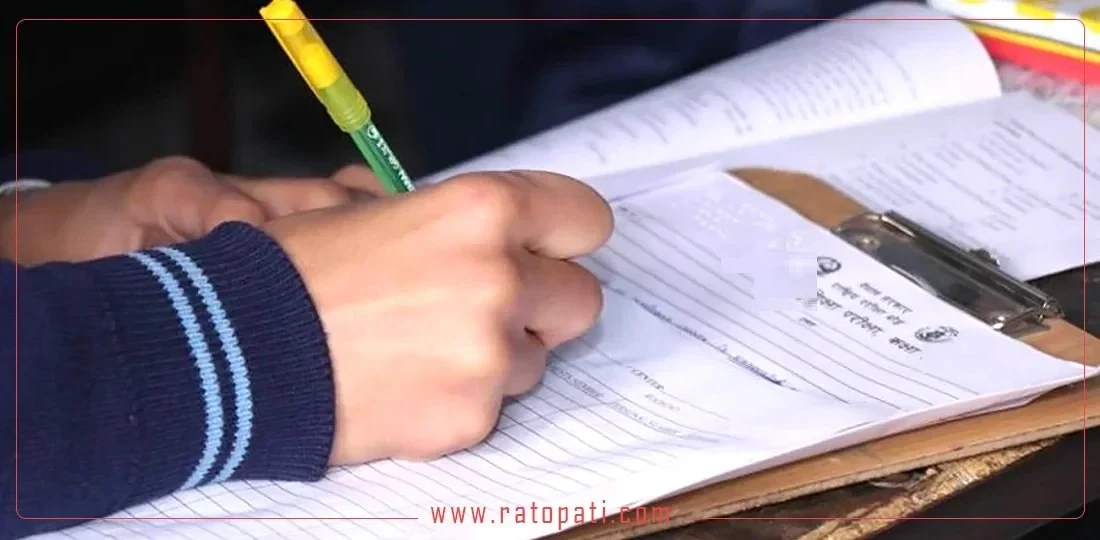
Kathmandu. Nepal's Secondary Education Examination (SEE) begins simultaneously across the country today. The first day of the examination will feature the compulsory English subject.
The National Examination Board has announced a special strategic plan to make this year's examination more organized, technology-friendly, and result-oriented compared to the past.
More than 512,000 students from across the country and foreign centers are participating in this year's SEE. The board stated that it is implementing the practice of 'decentralization of answer sheet evaluation' and 'speed in results' for this year's SEE. Considering the students' future and time, the government is preparing to publish the results within one month of the examination's conclusion.
New Action Plan to Deliver Results in One Month
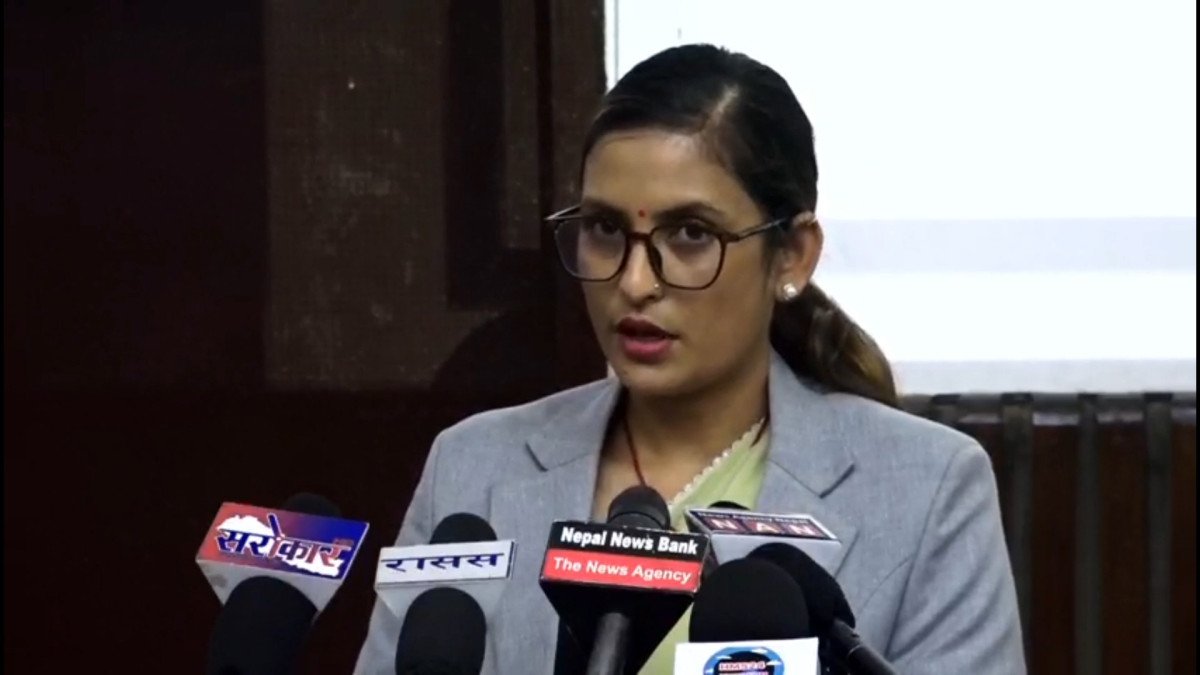
Minister of Education, Science and Technology, Sasmita Pokharel, has been making decisions with the claim of improving the education sector immediately after taking office. According to a joint secretary at the ministry, she directed the publication of results within one month of the exam's end, citing that delays in SEE results have disrupted students' academic calendars and increased their mental stress.
To implement this directive, the National Examination Board has changed the traditional style of answer sheet evaluation starting this year. In previous years, the practice was to send answer sheets from one province to another and evaluate them in designated secret centers. This used to consume a lot of time in transportation and coordination. However, this year, the board has decided to evaluate the answer sheets from the evaluation centers in the same region where the examination was held.
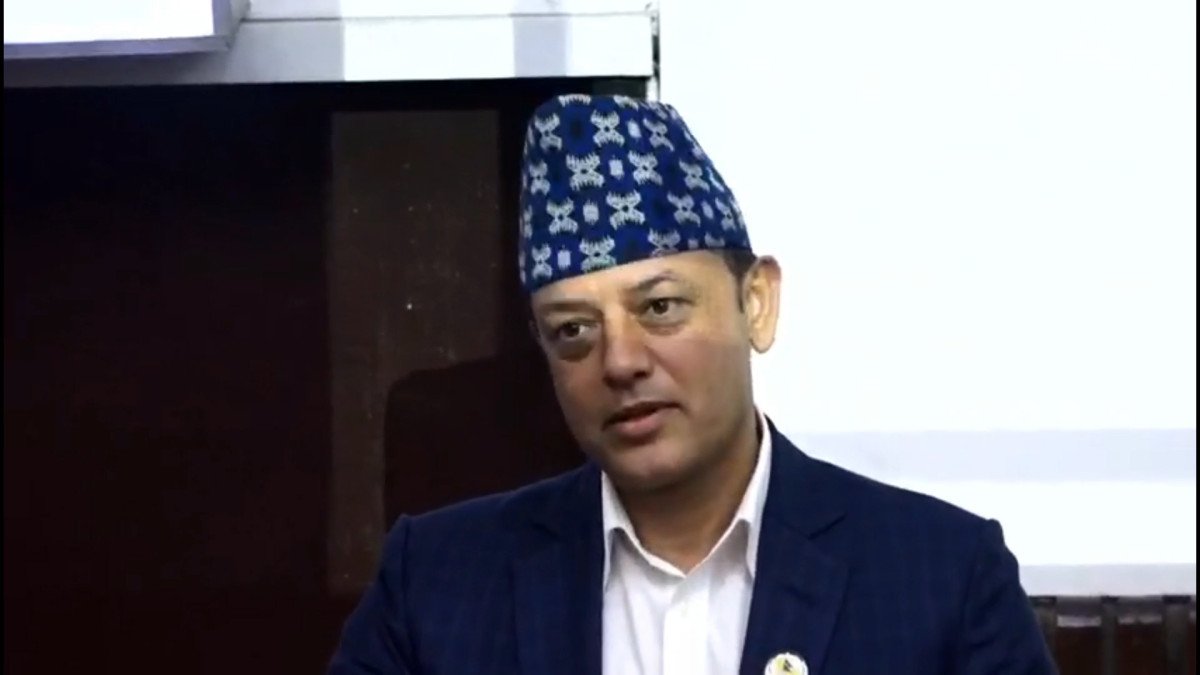
According to SEE Controller of Examinations, Tukraj Adhikari, the priority is to publish the results as quickly as possible. He stated that keeping the ministry's directive and students' interests in mind, they have decided to establish evaluation centers based on the respective districts or regions. The board expects this to save time spent on transporting answer sheets and expedite the process through the direct involvement of local teachers.
Special Vigilance on Security and Quality
The board stated that it has already addressed concerns regarding potential questions about security and impartiality when evaluating answer sheets from the examination centers themselves. According to Controller Adhikari, if a subject teacher is not available at any center or if it appears sensitive from a security perspective, the answer sheets of such centers will be transferred to another secure location in coordination with the Education Development and Coordination Unit.
'We have created a flexible yet secure mechanism. Where there is a shortage of teachers or it feels unsafe, the answer sheets will be immediately moved to another center,' he said.
Over 500,000 Students, Center in Japan Too
According to the board's data, a total of 512,421 students have filled out forms for the examination. The number of female students is 257,613, while the number of male students is 254,801. Similarly, 7 other gender students are also participating in this year's SEE. The board stated that the higher number of female students compared to male students sends a positive message about the increasing access to women's education in Nepal.
This year, 23 students from the Everest School in Japan are also participating in the SEE examination. The board stated that arrangements have been made to conduct the examination for children of the Nepali community in Japan by coordinating the local time there with Nepal's time. A total of 1,966 examination centers have been designated across the country and in Japan.
This specific news has been automatically translated by AI. As a result, there may be some inaccuracies or language errors.