Ministers at Singha Durbar Overwhelmed by Lawmakers and Gen Z Demands Amid Focus on Popular Decisions


Kathmandu. On Tuesday afternoon, people were seen queuing at ministries inside Singha Durbar to meet ministers. Upon entering one ministry's secretariat, more than 20 individuals, divided into nearly four separate groups, were waiting for an audience with the minister.
This scene is not unique to that particular ministry; it has become the fate of most of the 22 ministries located within Singha Durbar. This was particularly evident in the Ministry of Home Affairs, the Ministry of Education, Science and Technology, the Ministry of Energy, Water Resources and Irrigation, and the Ministry of Urban Development.
A Crowd of Lawmakers and 'Gen Z' at the Ministries
Previously, ministries were typically crowded with party cadres, contractors, or people carrying demands for transfers and promotions. However, with the formation of the current government, the balance of power and the nature of pressure groups within Singha Durbar have changed. Currently, the two groups keeping ministers busiest are expert lawmakers from their own parties and representatives from the 'Gen Z' generation.
A new experiment has been initiated in the ministries. The Rastriya Swatantra Party (RSP) has prepared a 'roster' of 5 lawmakers for each ministry to provide policy support and oversight to their ministers. Expert lawmakers from relevant fields are included in these rosters. They spend most of the day at the ministry, consulting with the minister and busy formulating new plans.
"Our ministers are compelled to do something new and popular every day," said an RSP lawmaker. "The public demands immediate results, so we do not leave the ministers alone; we sit together and create action plans."
Ministers are busy with discussions, briefings, and meetings all day. As a result, ministers do not have enough time to carry out the regular administrative work of the ministry.
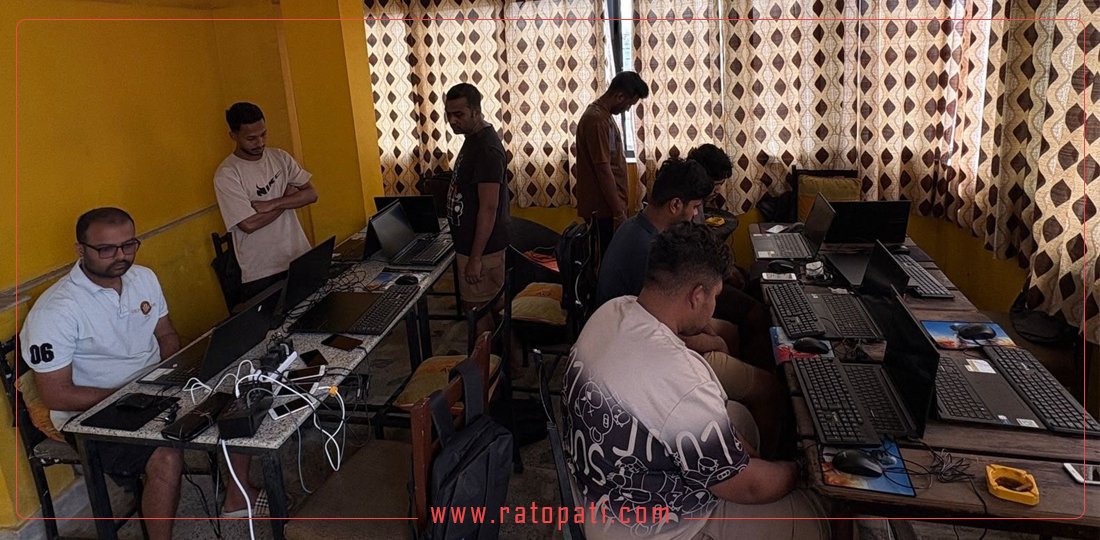
On the other hand, a large group of youth, under the banner of the Gen Z group, has started frequenting the ministries. Those active on social media and participating in street protests are not only submitting stacks of their demands to the ministers but are also warning them of immediate accountability if those demands are not met. The trend of dozens of youths from a single group arriving and seeking direct dialogue with the minister is overwhelming the staff assigned to secretariat management.
A Joint Secretary attached to a minister complained, "We cannot say no to everyone who comes to meet. But talking to 30 people from the same group consumes the minister's entire day. They are feeling very exhausted."
'Gen Z Council': A New Tactic
The government has devised a new measure to mitigate the dissatisfaction and pressure from the youth and Gen Z groups. According to sources, the Council of Ministers is preparing to form a 'Gen Z Council.' This council aims to directly address the problems, employment opportunities, and issues raised by the youth.
"We will include all Gen Z representatives in this council and address their demands institutionally," says a government minister. This move is also seen as a strategy to manage the youth and address the demands of the Gen Z population.
The Race for Popularity: Arrest Warrants and Corrective Decisions
Just four days after the government was formed, ministries have made some decisions that have garnered significant attention on social media.
The Ministry of Home Affairs has intensified investigations against 'heavyweights.' The home administration claimed to have arrested and begun investigating former Prime Minister KP Sharma Oli, former Home Minister Ramesh Lekhak, Provincial Assembly member Rekha Sharma (accused of child labor exploitation), and former Energy Minister Deepak Khadka, among others, who were allegedly involved in suppressing past protests and facing various accusations. These arrests have helped portray the government as 'action-oriented.'
Similarly, the Ministry of Labor has abolished the 'token system,' which was a headache for those seeking foreign employment. Decisions to end the syndicate that has long plagued health testing and to eliminate the dominance of middlemen in transport offices have also been announced. While these decisions have generated hope among the general public, their implementation still appears challenging.
Neglect in Appointments to Constitutional Bodies
While ministers are busy with popular actions, important state bodies are becoming leaderless. Serious administrative and constitutional appointments are being overshadowed by 'stunts' and the pursuit of 'popularity.'
The post of Chief Justice at the Supreme Court has become vacant. According to legal provisions, the appointment process should have started a month before the vacancy. However, even after the new government was formed and dozens of popular decisions were made, there has been no concrete discussion on the appointment of the Chief Justice. Vacancies are also increasing in constitutional commissions, including the Election Commission, but the government's attention does not seem to be directed there.
The situation in the civil administration and public enterprises is even more dire. The post of Deputy Governor at Nepal Rastra Bank is vacant. The Director General of the Civil Aviation Authority of Nepal, the General Manager of Nepal Airlines Corporation, and nearly a dozen other public enterprises are currently without leadership. Some are running on acting capacity, while decision-making processes in others have completely stalled.
The government recently published '100 Action Plans for Governance Reform.' This plan includes aspects of good governance, corruption control, and service delivery. But ironically, this long list does not specify any concrete timeline for filling vacant positions or appointing leadership in public bodies.
According to administrative experts, minor decisions made by the political leadership to appear popular provide momentary satisfaction, but institutional appointments and systemic reforms are necessary to strengthen the state mechanism in the long run. The crowds seen at Singha Durbar, the fatigue of the ministers, and the pressure from 'Gen Z' have given the government a kind of energy, but the neglect of regular administrative work carries an equal risk of creating complications in the days to come.
This specific news has been automatically translated by AI. As a result, there may be some inaccuracies or language errors.