Nepal's Finance Ministry Accelerates Budget Preparation, Prioritizing New Government's Economic Policies and RSP Manifesto


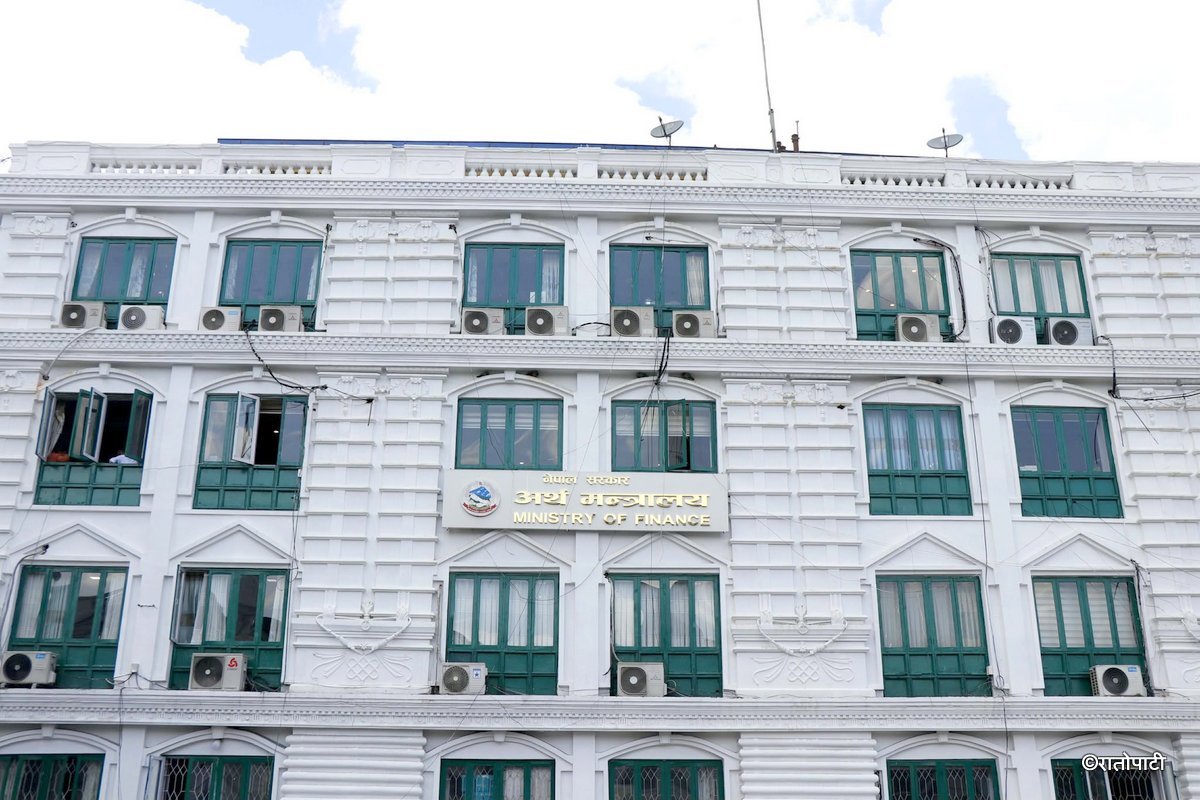
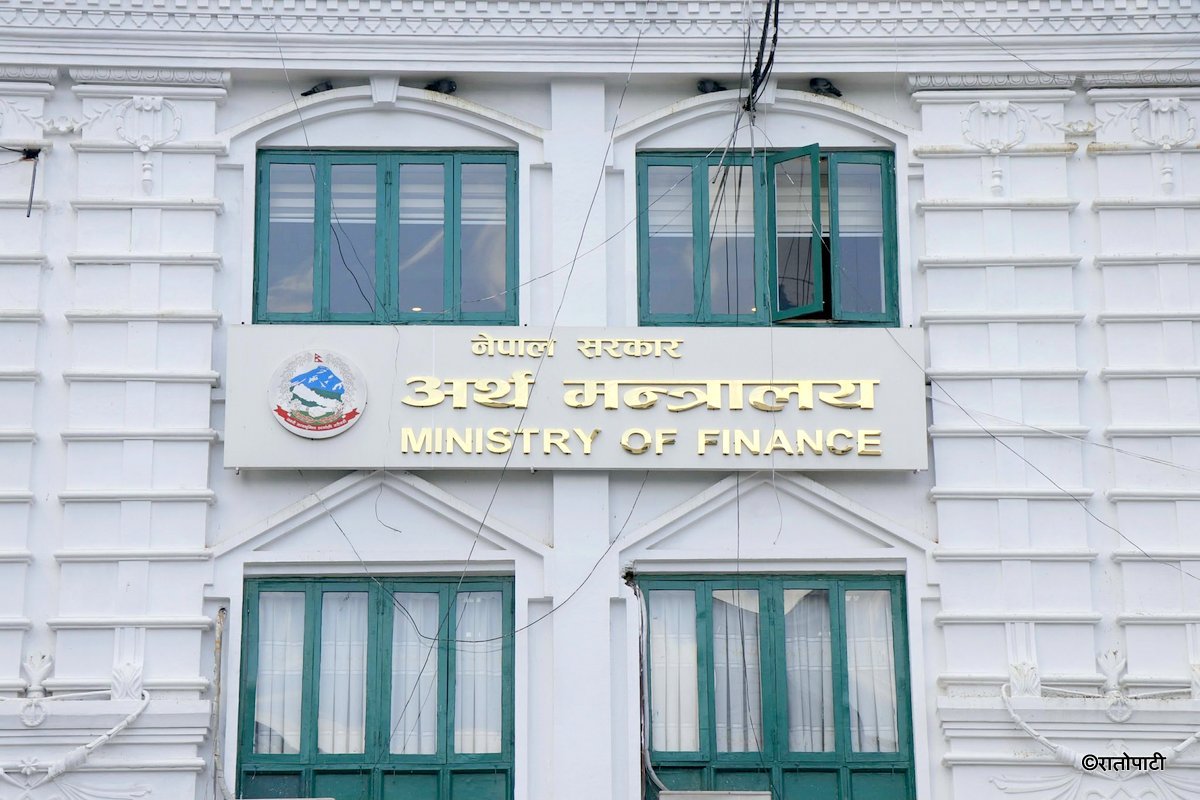
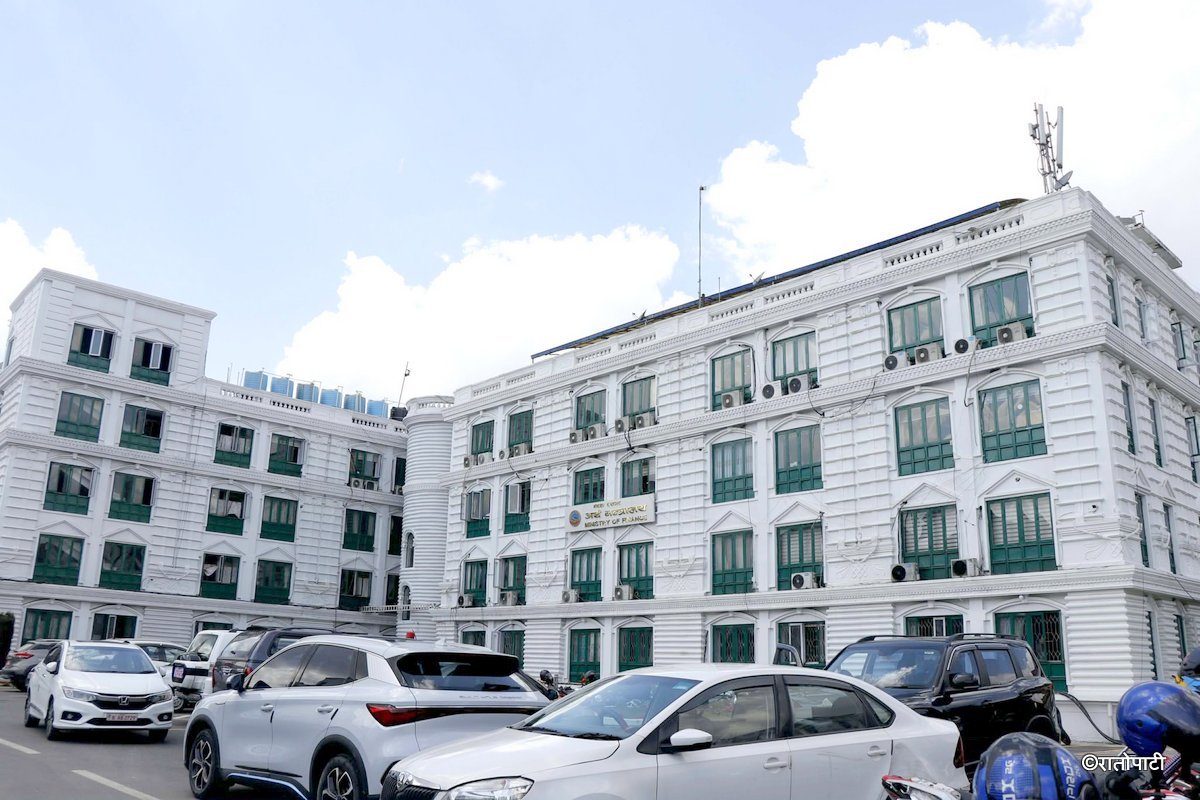
With about two months remaining until the public announcement of the budget for the upcoming fiscal year 2083-84, the Ministry of Finance has intensified preparations for budget formulation. Officials from the Ministry of Finance stated that this year's budget will focus on the economic policies of the new Balen-led government and the electoral manifesto of the Rastriya Swatantra Party (RSP), a key component of the ruling coalition.
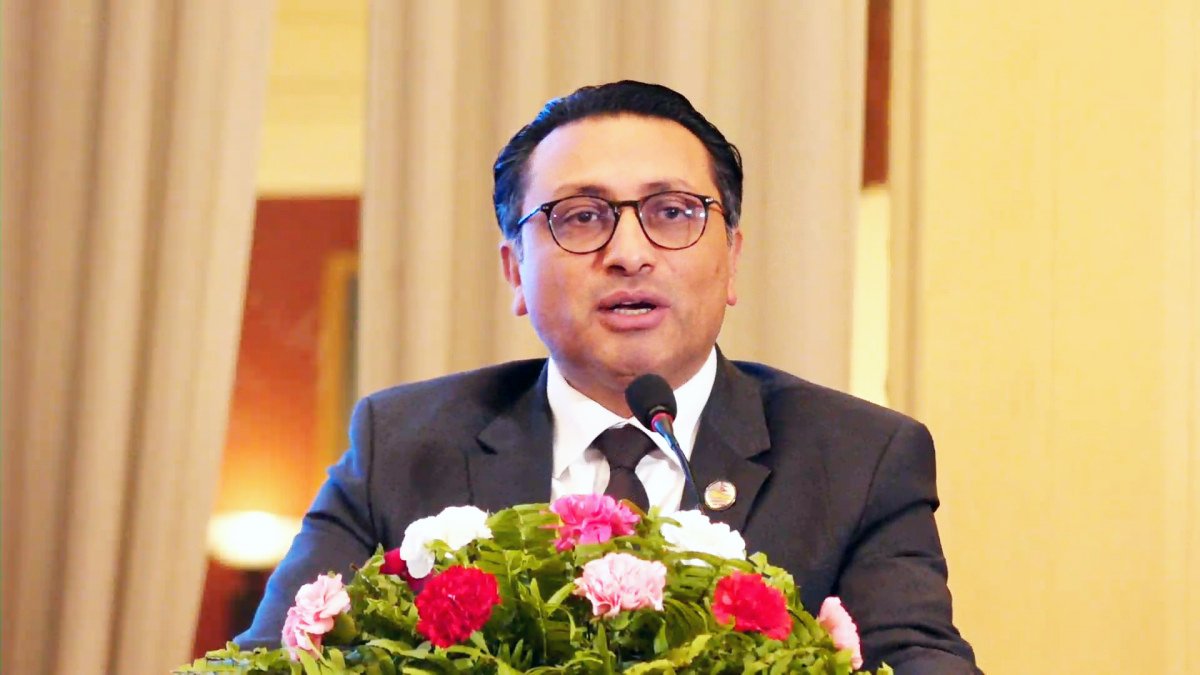
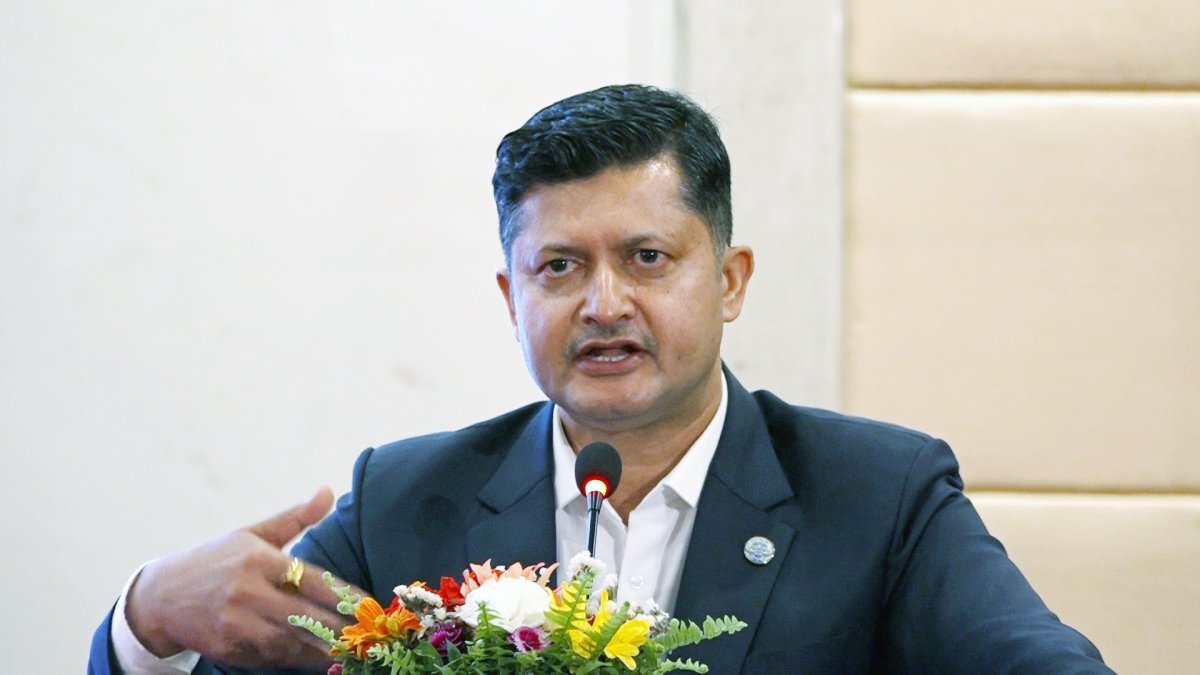
According to them, the Ministry of Finance is currently awaiting a new government and a new Finance Minister. Since the process of forming a new government is underway after the elections, the budget will take its final shape under the leadership of the incoming Finance Minister. Tank Prasad Pandey, Joint Secretary at the Ministry of Finance, stated that the RSP's manifesto will be given special priority in the upcoming budget.
He said, 'After the new government comes in, the Ministry of Finance awaits the new Finance Minister. Once the Finance Minister arrives, the budget will be formulated incorporating the RSP's manifesto, our constitutional obligations, and international commitments.'
In its pre-election manifesto published from Surkhet in Karnali Province, the RSP presented an ambitious blueprint for rapid economic development based on technology, production, and employment, transforming Nepal's traditional economy.
The RSP, which considers good governance and policy reform as prerequisites, put forward major agendas for changes in economic growth, foreign investment, energy, information technology, and the tax system. The main goal through the RSP's manifesto is to make Nepal a 'middle-income country.' It aims to lay the foundation for achieving a stable average annual economic growth rate of 7 percent within the next five years. Based on this, the target is for the per capita income of Nepalis to exceed US$3,000 within five to seven years, and for the size of Nepal's economy (Gross Domestic Product - GDP) to approach US$100 billion.
Furthermore, the RSP's plan in the manifesto is to develop 'Information Technology' as the second major pillar of the economy after remittances. A historic target has been set to increase software and IT service exports from the current US$1.5 billion to US$30 billion in the next 10 years. To achieve this, it has resolved to form an 'Autonomous IT Promotion Board,' create a Global Tech Hub, and establish state-of-the-art digital parks in the provinces to create 500,000 direct jobs. The RSP also targets reaching 30,000 megawatts of installed hydropower capacity in Nepal in the next decade. To increase domestic energy consumption, the electricity tariff structure will be restructured, and a strategy has been put forward to reach an annual per capita electricity consumption of 1,500 kilowatt-hours by 2035. The policy also includes signing long-term energy trade agreements with India and Bangladesh.
The RSP announced its intention to abolish or reform about two dozen cumbersome laws that increase the cost of production to improve the business environment. Regarding income tax, the RSP mentioned that a policy would be adopted to review the income tax threshold based on 'family burden,' marking a historic change. The RSP had announced through its manifesto that it would create a legal provision allowing deductions for expenses related to education, health, and nutrition from taxable income. The Ministry of Finance is preparing to incorporate this manifesto into the upcoming budget. The RSP has adopted an economic policy with social justice. Since the budget is also a political document, the Ministry of Finance is preparing to incorporate the manifesto and economic policies of the main ruling party into the upcoming budget.
According to Joint Secretary Pandey of the Ministry of Finance, the ministry has already initiated procedural work to streamline the budget formulation process.
The Ministry of Finance has already set the budget ceiling (limit) for all ministries for the upcoming fiscal year. Ministries have been instructed to propose their plans and programs within the allocated ceiling.
According to the budget calendar, all ministries must submit their budget proposals to the Ministry of Finance by the end of Chaitra. After receiving proposals from the ministries, the Ministry of Finance will begin detailed discussions on those plans.
Pandey stated that the Ministry of Finance will play a facilitating role, considering the possibility of some changes to the old economic policy once the new government takes charge. Joint Secretary Pandey said, 'If the economic policy adopted by the incoming government makes some amendments, the Ministry of Finance will provide necessary facilitation.'
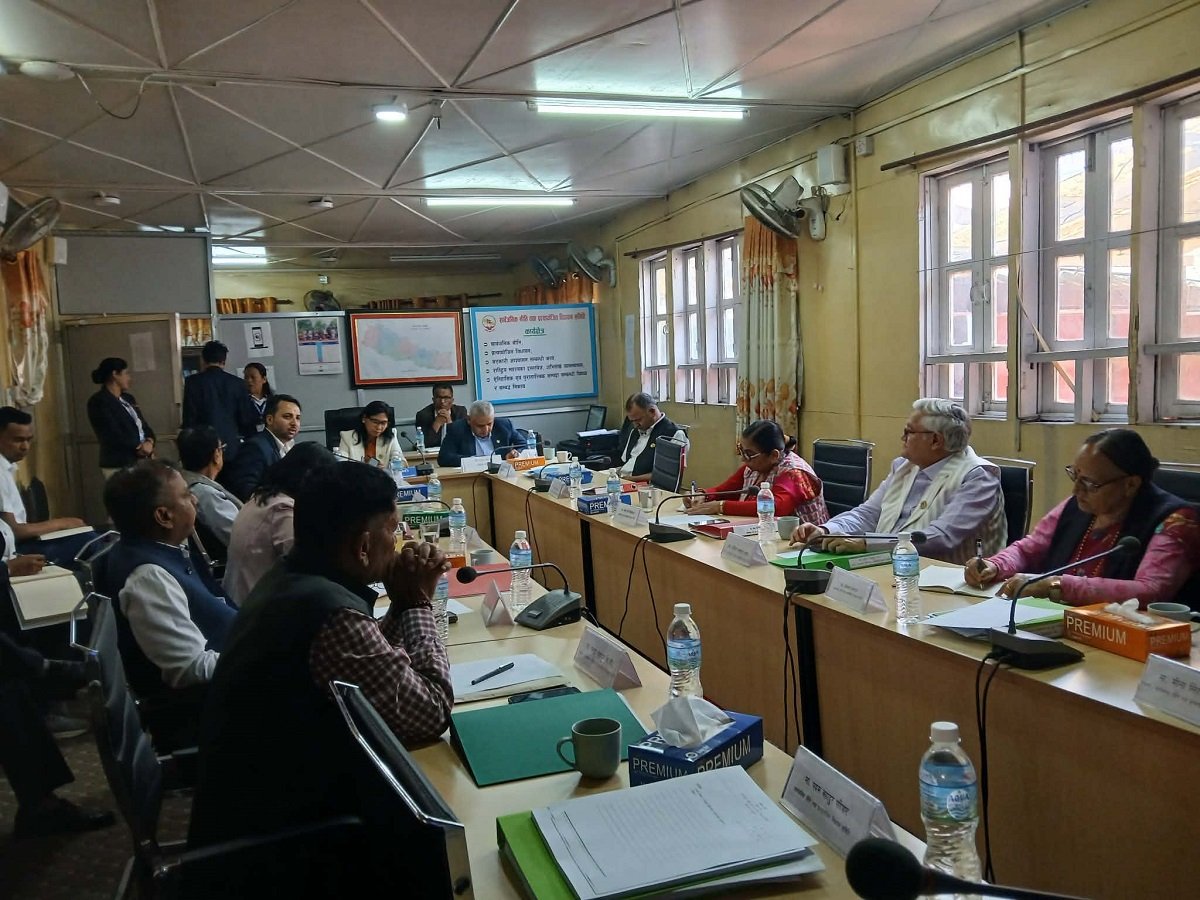
After receiving budget proposals, an in-depth discussion will take place on whether those programs align with existing laws, budget guidelines, and the new policies and programs adopted by the government. A tripartite discussion will be held in this process between the National Planning Commission, the Ministry of Finance, and the concerned ministries. The ministry's preparation is to make the alignment of programs with supporting the government's policy the main criterion for the budget.
Pandey stated that the Ministry of Finance is currently accelerating technical and procedural preparations through its mechanism to meet the constitutional deadline of presenting the budget in the Federal Parliament by Jestha 15th.
This specific news has been automatically translated by AI. As a result, there may be some inaccuracies or language errors.