Geopolitical Tensions Fuel Surge in Electric Stove Adoption in Nepal Amid Fuel Crisis Fears


Biratnagar. The tremors of escalating geopolitical tensions in West Asia and the potential fuel crisis they have triggered have reached Nepali kitchens. Disruptions in the global supply of LP gas and petroleum products are occurring due to the joint attack by the United States and Israel on Iran, and the subsequent obstruction created at the crucial 'Strait of Hormuz'.
As gas shortages and soaring prices hit the global market, Nepal is not immune. The government has already directed the distribution of only half a cylinder of gas, and the sight of long queues to collect filled cylinders is becoming common. Despite these problems, Nepali consumers are now beginning to turn towards alternative energy sources, particularly electric stoves.
Binita Pokharel of Biratnagar-4 has been using an induction stove for a long time. In her experience, using an induction stove has made the kitchen cheaper, and she doesn't have to panic during gas shortages.
She said, 'Initially, I was used to gas, but now cooking with electricity is also saving money. Hearing news that there is a war and gas won't arrive doesn't stress me much anymore.'
Like her, most people are now attracted to using induction stoves rather than queuing for LP gas cylinders during shortages. According to international media, the conflict between Iran and Israel has created a major risk for fuel supply from the Gulf region.
About one-third of the world's liquefied natural gas is transported through the Strait of Hormuz. Obstruction there is certain to most severely affect import-dependent countries like Nepal.
Sensing this crisis, Ayush Thapa of Biratnagar-12 purchased an induction stove. He stated that he bought the electric stove due to the fear of gas shortages.
'I heard there will be a gas shortage. We are also watching videos of people queuing to get one cylinder. I came here thinking it's safer to buy an induction stove than to do that,' he said. 'Gas seems to be in short supply now. They are not even providing half a cylinder. If this stops too, it will be difficult. Electricity, at least, is produced domestically; it won't stop. At least we can cook and eat,' he added.
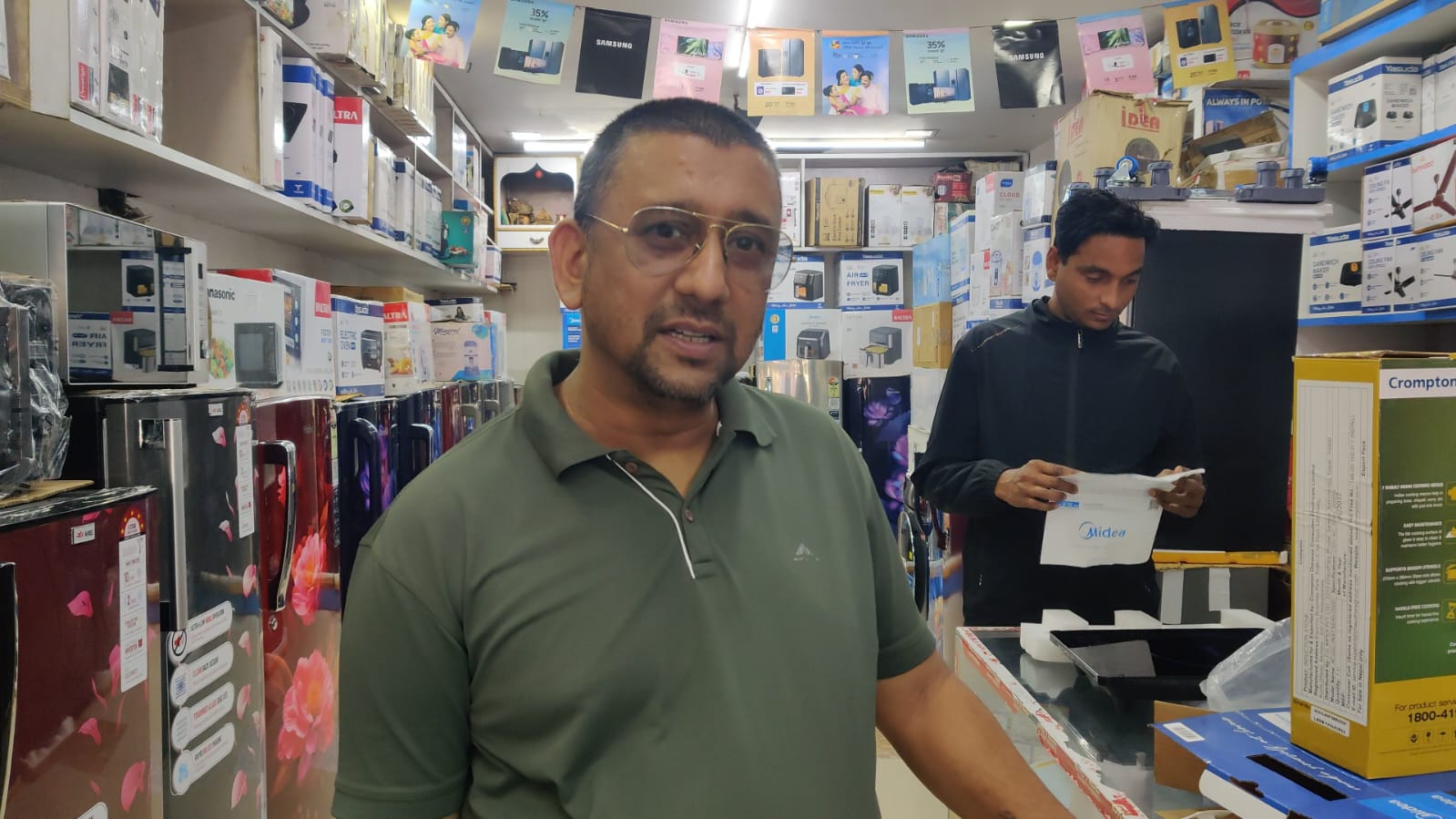
According to business owners, there has also been an unexpected surge in the demand for electric stoves.
Arun Agrawal, owner of Arun Electronics in Biratnagar, stated that customer traffic is much higher now than in previous weeks. 'Previously, 1-2 stoves were sold daily. Now, up to 10 are being sold daily,' Agrawal said. 'News of gas shortages in the international market has scared people. The import and sale of electric stoves are increasing day by day.'
He mentioned that some consumers showed fear about potential problems with using electric stoves. However, in his experience, no such issues have been observed so far.
Customs Department statistics also confirm that Nepali society is gradually transforming towards electric kitchens. According to the department's data, up to the month of Falgun in the current fiscal year alone, 147,864 electric stoves worth NPR 304.12 million have entered Nepal. Induction stoves account for the largest share.
According to the statistics, 104,717 induction stoves worth NPR 222.705 million were imported. Similarly, 42,218 infrared stoves worth NPR 76.707 million and 929 other electric stoves have arrived.
In terms of revenue collection, these electrical appliances have also become a source of income for the state. The Customs Department has collected NPR 43.307 million in customs revenue from all three items: induction, infrared, and others.
The total import count for all three items was 139,633 units by the end of Magh, with an additional 8,231 units arriving in the month of Falgun alone.
Compared to the statistics of the previous fiscal year (2081/082), the import rate appears to be increasing further this year. Last year, a total of 239,172 stoves, including induction, infrared, and others, worth NPR 469.167 million were imported. From this, the state collected NPR 66.805 million in customs duty.
_9W8xoWrvVs.jpg)
With five months remaining in the current fiscal year, the import graph is starting to climb due to the impact of the global conflict. According to vendor Agrawal, it can be estimated that stove imports might break the old record this year.
Nepal has been importing LP gas from India, spending billions of rupees. However, disruptions at the Strait of Hormuz could reduce gas supply to India itself, which will directly affect Nepal. In such a situation, there is no alternative but to increase the use of domestically produced hydropower.
While the increased use of electric stoves is a positive aspect, consumers say the government needs to focus on ensuring a regular supply of electricity. 'We want to be free from the gas queues, but we fear we might face problems again due to undeclared load shedding or low voltage,' said Bablu Mishra from Katahari, Morang.
This specific news has been automatically translated by AI. As a result, there may be some inaccuracies or language errors.
_OmeV4uvYg3.jpg)