India's Push for Generic Versions of Weight-Loss Drugs Like Ozempic Poised to Broaden Global Access

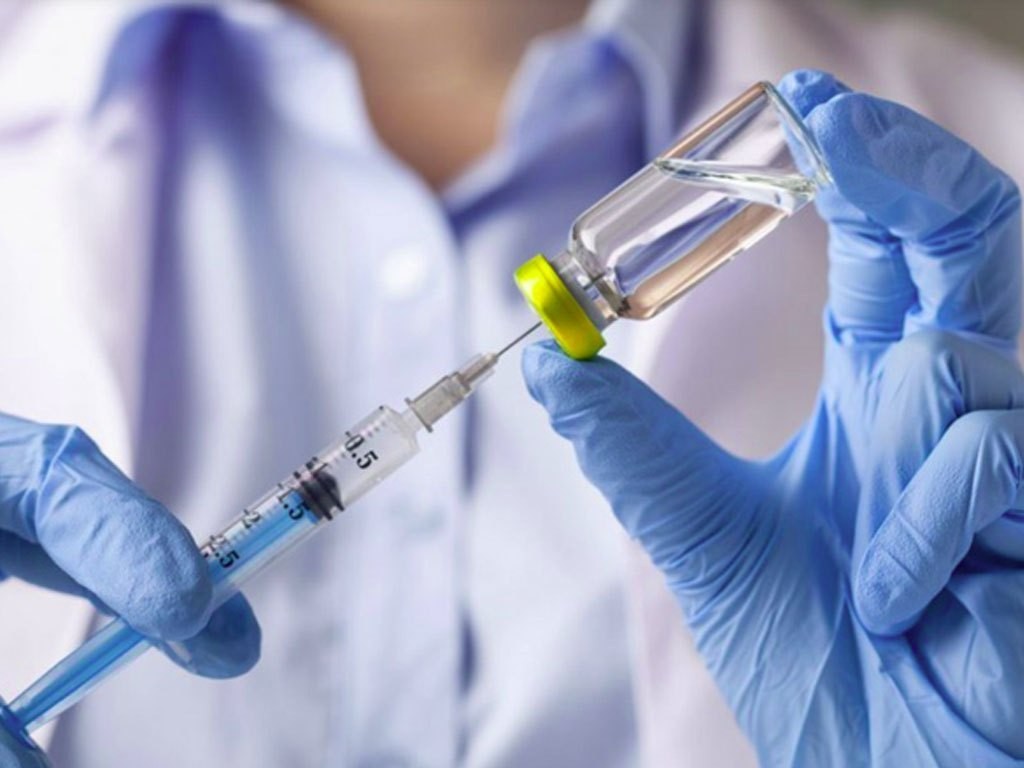
As India accelerates preparations to launch cheaper generic versions of weight-loss drugs like Ozempic, treatment for obesity is entering a phase where it could move beyond a luxury for the elite and become accessible to the general public. The expiration of major patents is expected to significantly reduce the cost of these medications, potentially bringing about a major shift in global treatment accessibility.
The impact of this change is already being felt in Mumbai's hospitals and clinics. According to endocrinologist Nadeem Rais, more than 50 people consult him weekly for weight-loss injections, and about 70–80 patients are currently undergoing active treatment. He suggests this number could easily exceed 200 once generic drugs become cheaper. His colleague, Suneera Ghai, also notes that demand is extremely high, but many cannot afford to start treatment due to the high cost.
This shift became possible as the patent for semaglutide, the active ingredient in drugs like Ozempic and Wegovy, expired in India on Friday. As the world's largest producer of generic medicines, India is rapidly preparing to capitalize on this opportunity.
Research indicates that by the end of 2026, key patents related to semaglutide will expire in 10 countries, covering nearly 48% of the global obesity burden. This list includes nations such as Brazil, China, South Africa, Turkey, and Canada.
This is considered the start of a new competitive race for the Indian pharmaceutical industry. At least four major companies have completed preparations to produce generic semaglutide, and Zydus Lifesciences has signaled that the drug will be available in the market this weekend, announcing a 'Day-One' launch. According to research firm Pharmyak, over 50 brands and more than 40 companies are expected to become active in the Indian market soon.
This development aligns with India's changing health profile. According to the World Health Organization, while malnutrition remains a major issue, obesity is rapidly increasing due to urbanization and lifestyle changes.
Government statistics show that 24% of women and 23% of men in India are overweight or obese. Bariatric surgeon Sanjay Borude states that the trend of decreasing physical activity, despite rising incomes, is exacerbating the problem.
Until now, multinational companies like Eli Lilly and Novo Nordisk dominated the market with their expensive drugs. Sales of weight-loss drugs in India have increased tenfold in five years, reaching $153 million by 2026, and are projected to exceed half a billion dollars by 2030. However, the cost, ranging from Indian Rupees 15,000 to 22,000 per month, has kept many patients away from treatment.
According to Mumbai-based physician Swati Pradhan, the price of generic drugs could drop to around Indian Rupees 5,000 per month. This will significantly expand patient access. However, she notes that medical supervision is necessary as such drugs can cause adverse effects like nausea and digestive issues.
The impact will not be limited to India. As India is a major supplier of generic drugs to many developing countries, including those in Africa, cheaper semaglutide could become a life-saving option for those nations. Simon Barkera, President of the World Obesity Federation, mentioned that low-cost drugs will expand treatment access, especially in middle-income countries.
Indian companies are also advancing into international markets. Dr. Reddy's Laboratories aims to launch its version in Canada by May 2026. For individuals like patient Sukant Mangal, this change is even more significant.
He shared his experience of having to stop treatment after losing about 30 pounds in eight months because he could not afford the Indian Rupees 20,000 monthly expense. He noted that treatment continuity would have been much easier if the medicine were cheaper.
Thus, the wave of cheaper generic drugs originating from India signals a new direction in the global fight against obesity.
This specific news has been automatically translated by AI. As a result, there may be some inaccuracies or language errors.