Japanese PM Meets Trump Amid Escalating Middle East Tensions and Strait of Hormuz Security Concerns


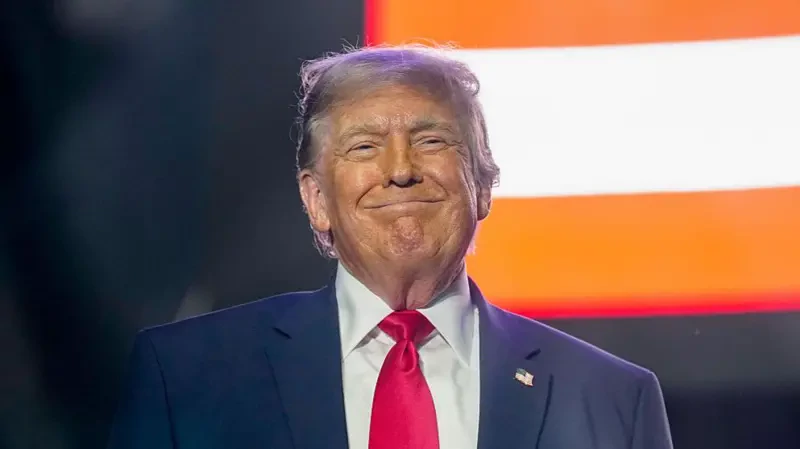
Amid escalating conflict in the Middle East and growing international pressure regarding the security of the strategic Strait of Hormuz, Japanese Prime Minister Sane Taikaichi held a meeting with US President Donald Trump at the White House.
This meeting highlighted a sensitive aspect of US-Japan relations as efforts to secure the waterway, considered the main artery for global energy supply, continue to falter.
The meeting, initially expected to focus on general bilateral coordination and strengthening relations, became complicated due to the war with Iran and the resulting security crisis. Trump has publicly expressed dissatisfaction, stating that allied nations, including Japan, have not provided the expected support for securing the Strait of Hormuz. In the absence of cooperation, he indicated that the US is capable on its own.
Prime Minister Taikaichi also admitted before departing for Washington that the meeting with Trump would be "very difficult." Japan has already rejected a proposal to send its warships to participate in the US-Israeli military operation, which has increased tension in security coordination between the two countries. According to Kurt Campbell, Chairman of the Asia Group and former US diplomat, Trump is likely to exert high-level pressure on Taikaichi, and such a sensitive meeting is considered rare.
Campbell suggests that Taikaichi will attempt to find a balanced approach to present Japan as a partner in the US plan for the Middle East, which is expected to provide an opportunity to present Japan's interests, including those concerning Taiwan, to the US in a restrained and effective manner.
However, Japan's constitutional limitations add complexity to such cooperation. The post-World War II constitution restricts the use of military force except for the defense of its own territory, limiting Japan's military to the role of the "Self-Defense Forces." Nevertheless, analysts suggest that Japan might still offer assistance such as mine-sweeping operations or a limited naval presence. However, direct involvement in US military operations would require activating the provision for "collective self-defense," which is a politically extremely sensitive issue.
Taikaichi planned to focus this meeting on trade, security, and strategic cooperation in the Indo-Pacific region. Having first met Trump in Tokyo in October, Taikaichi is known as Japan's first female Prime Minister and a close aide to former Prime Minister Shinzo Abe. She is also recognized as a leader who clearly supports Taiwan, which is considered to have added sensitivity to relations with China.
Before the meeting, Japanese officials stated that discussions would focus on further strengthening US-Japan relations and increasing cooperation in energy, critical minerals, and regional security. However, the issue of assisting in securing the Strait of Hormuz appears set to overshadow these agendas.
The global repercussions of the Iran conflict have also placed Taikaichi in a difficult position. Japan has been gradually strengthening its security posture around the East China Sea, viewing China as a rising security challenge. However, concerns are growing that the redeployment of some US troops stationed in Japan towards the Middle East will weaken the balance of power in East Asia.
Especially given China's increased exercises around Taiwan, Taikaichi is likely to subtly raise the issue of troop relocation with Trump. According to analyst Christopher Johnstone, such a situation increases the risk that the US will become entangled in the Middle East again, leading to a reduction in deterrence capacity in East Asia.
Thus, with the security of Hormuz, the impact of the Iran war, and strategic competition with China all interconnected, the Trump-Taikaichi meeting stands not merely as a bilateral discussion but as a test of the broader geopolitical balance.
This specific news has been automatically translated by AI. As a result, there may be some inaccuracies or language errors.