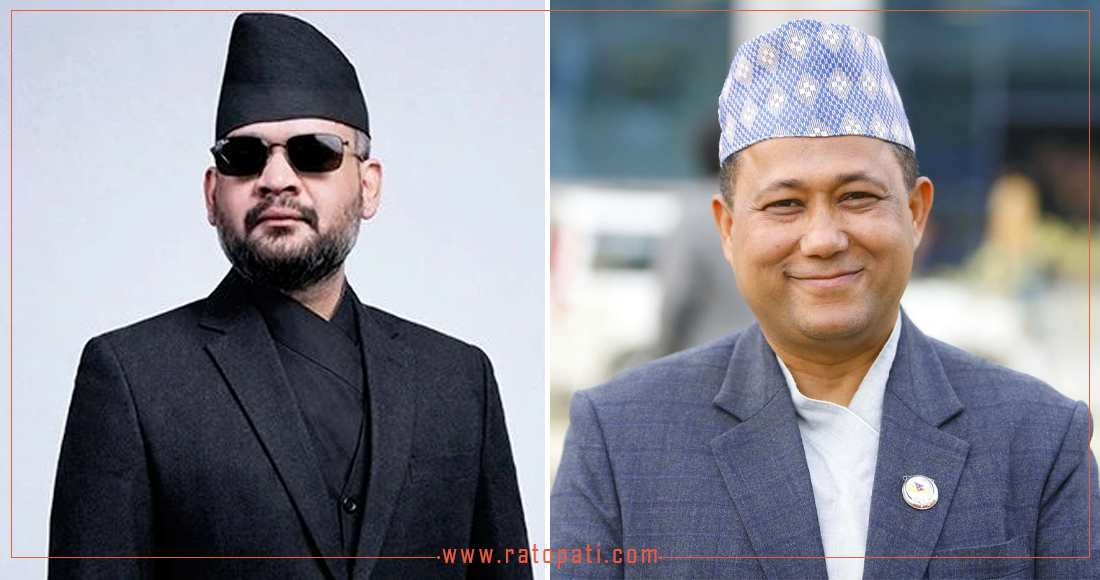
Harka Sampang's New Party Secures Seven Seats in First Election; Success Compared to Other Regional Leaders


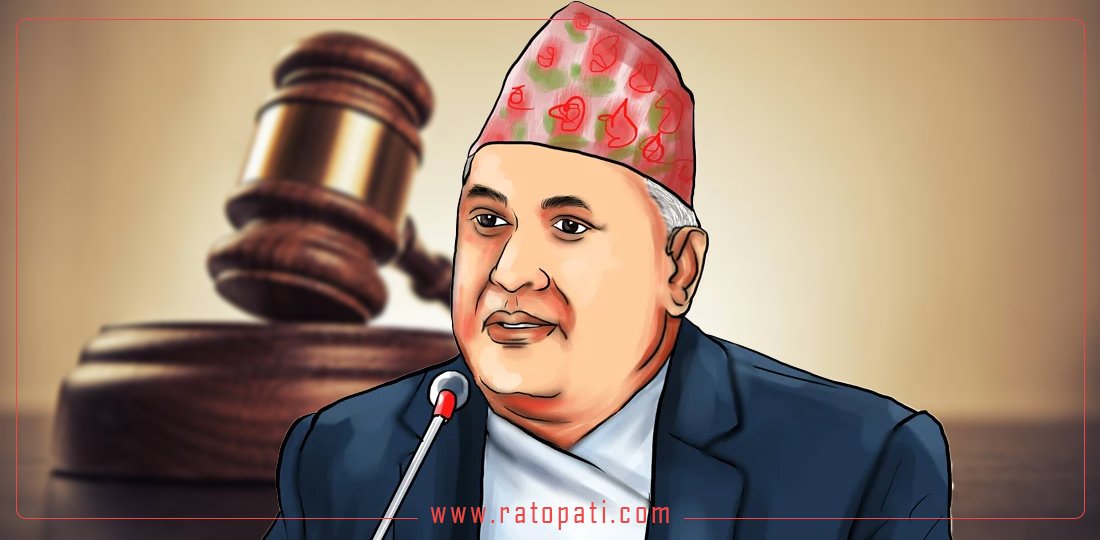
Kathmandu. Harka Raj Rai (Sampang), who resigned from the post of Mayor of Dharan Metropolitan City to form the Shram Sanskriti Party under his own leadership, has proven successful in his first election. Seven members from his party have been elected to the House of Representatives.
Sampang, who secured seven seats—three through direct elections and four through proportional representation—has drawn attention for nominating 25-year-old Ruby Thakur from the Madhes region as a proportional representative. Sampang is being praised for giving due representation to the Madhes region despite his own background being from the indigenous Janajati community.
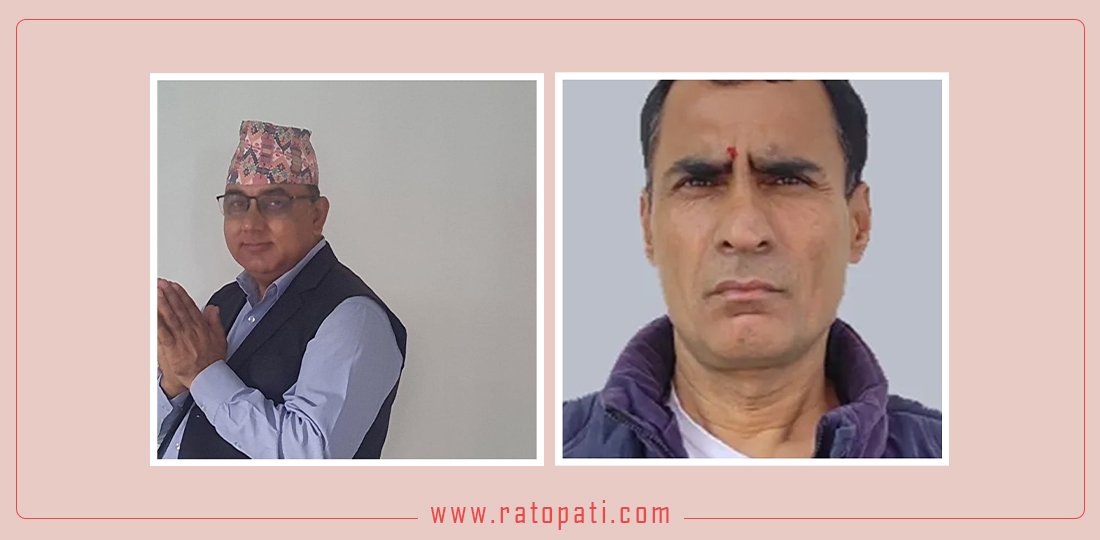
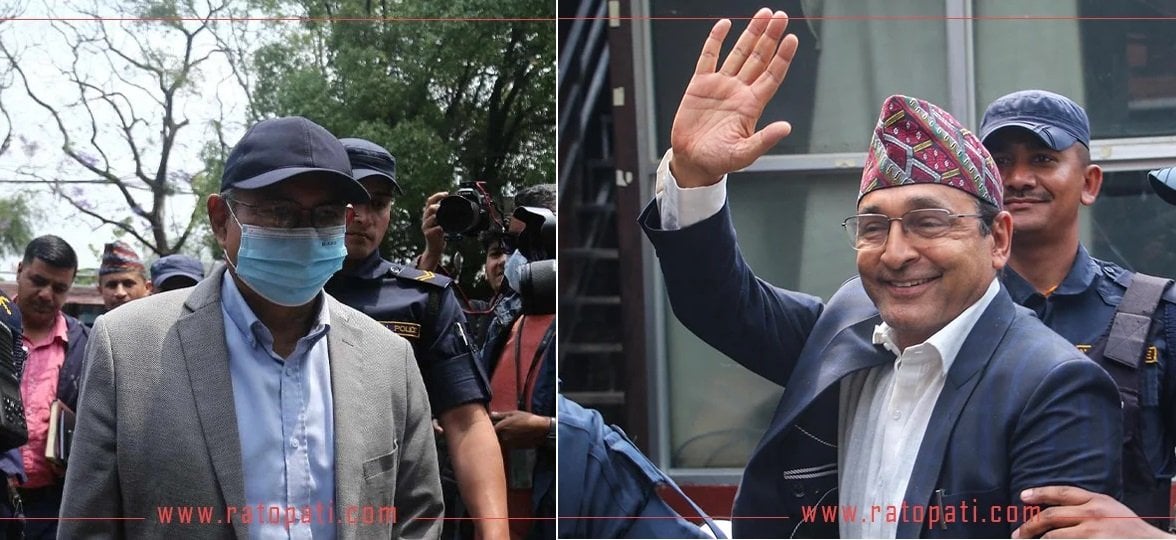
Harka Sampang's success is not unprecedented in Nepal's political history. Leaders like Resham Chaudhary and Dr. CK Raut also achieved initial success in their first steps, though both faced significant setbacks in the recently concluded House of Representatives elections.
The Nagarik Unmukti Party, where Resham Chaudhary is the patron, and the Janmat Party, chaired by Dr. CK Raut, achieved commendable success in one parliamentary election but faced severe defeat in the next. Naturally, there is growing interest in whether Harka Sampang's Shram Sanskriti Party will learn lessons from the rise and fall of those two parties.
Harka Sampang's style and behavior also appear similar to those of Resham Chaudhary and Dr. CK Raut. The question of whether Harka, known for his stubbornness and strict discipline, will meet the same fate as Resham Chaudhary and Raut is not inappropriate.
Leaders of the Shram Sanskriti Party argue that their party cannot be compared to the Nagarik Unmukti Party and the Janmat Party. Leaders of the Shram Sanskriti Party comment that Resham and CK Raut's parties could not sustain because they focused on power interests and gave space to their own caste and dynastic politics. They claim their party, driven by selfless spirit for labor and development, will be sustainable in the long run.
Although major internal disputes have not yet started in the party, Chairman Sampang has a tough demeanor. He has been embroiled in controversies since winning the election for Dharan Metropolitan City Mayor.
He is also being criticized for continuously writing against Balen Shah on social media following the 'Jyanji' movement. This has raised concerns about whether his party can go the distance. However, Samir Tamang, the joint general secretary of the Shram Sanskriti Party, stated that such disputes only occur in parties with free time. He claimed that since they believe in development and labor, no kind of dispute will arise.
Tamang said, 'Our party was formed while working on labor and development. There is no dispute in our party, and as many of us are, we are moving forward together.'
The Nagarik Unmukti Party, patronized by Resham Chaudhary, won four direct seats in the 2079 election. Dr. CK Raut-led Janmat Party won one direct seat and five proportional seats. However, by 2082 from 2079, both parties dropped to zero.
A split occurred within the Nagarik Unmukti Party due to a dispute between patron Resham Chaudhary and Chairman Ranjita Shrestha. Chaudhary and Shrestha are husband and wife. The Ranjita Shrestha-led Nagarik Unmukti Party merged with the CPN (Communist Party of Nepal), while the Resham Chaudhary-led Nagarik Unmukti Party Nepal collaborated with the Janata Samajbadi Party and the Rastriya Mukti Party in this election.
The Janmat Party also faced many leaders leaving after getting entangled in internal disputes. Recently, disputes between Janmat Party Chairman Raut and his wife also came to light.
This specific news has been automatically translated by AI. As a result, there may be some inaccuracies or language errors.