India's Unprecedented Dominance: Analyzing the Journey to Becoming the Greatest T20 Team of All Time


In this format filled with uncertainty, the excellence shown by India over the last two years is unprecedented.
The start of dominance is always the hardest, especially in cricket where a mix of league and knockout stages is favored. It is even more difficult in a format like T20, which allows very little time to absorb and recover from shocks caused by the toss, dew, or other unexpected factors. Especially in India, where a single result is enough to turn a team from all-time great to an undeserving fool, or prove the exact opposite.
Due to this growing dominance in bilateral T20 series since the previous World Cup, India had no option but to win the T20 World Cup and unequivocally become the greatest T20 team of all time. It was evident from the start that they were playing with a deep understanding of those expectations.
This expectation did not just come from outside; it also arose from their own realization of how truly excellent they were. They had to do justice to each other's capabilities and standards.
If further impetus was needed for that expectation, the disappointment following the loss to South Africa had already signaled what India would face if they failed to win the World Cup. Their two years of unprecedented excellence were at stake.
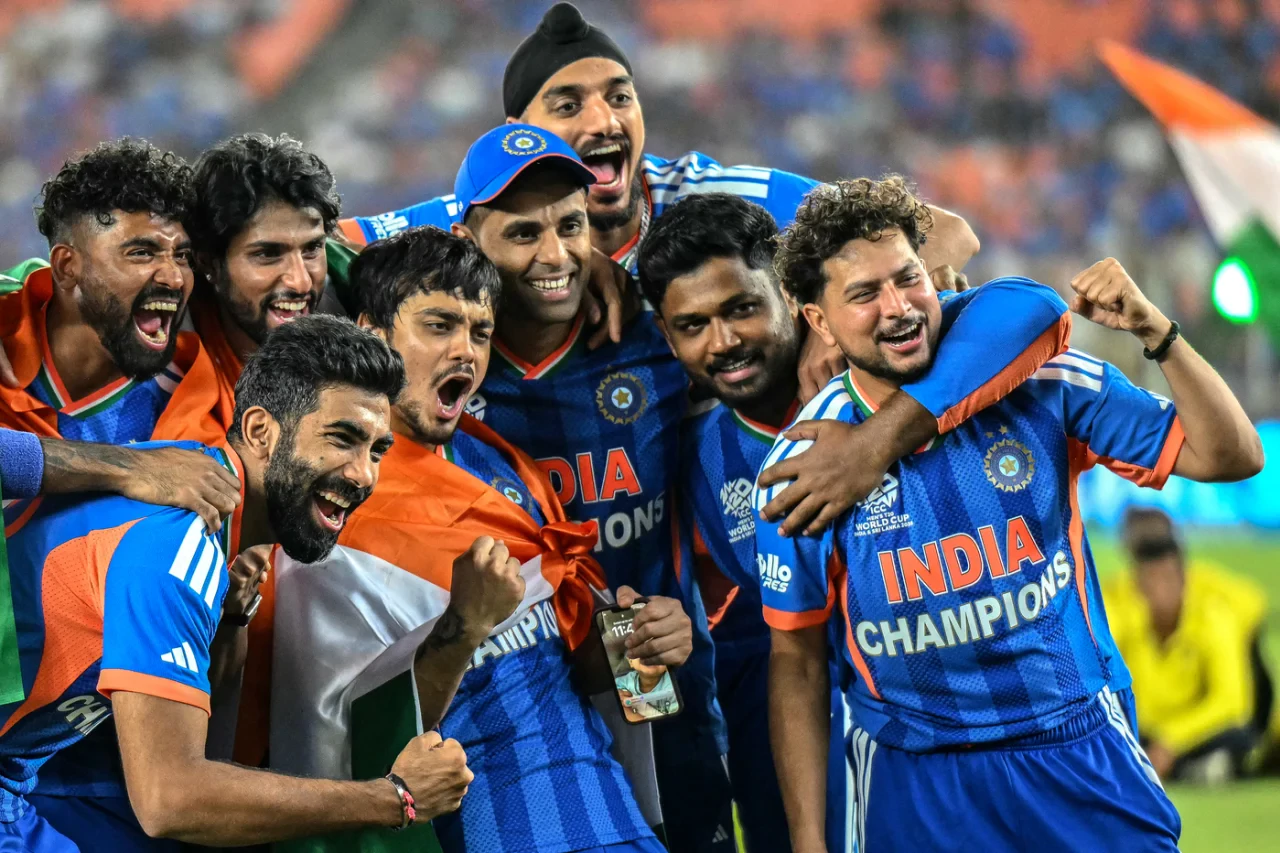
However, their journey was not smooth, as expected from a dominant team. On the eve of the tournament, their captain and vice-captain were struggling for runs. Due to injury during the warm-up games, they had to lose Harshal Patel, and then at the start of the tournament, the top order, dominated by left-handed batters, struggled significantly against off-spin bowling.
The team management and selectors deserve credit for prioritizing player form more in this format than in Test or ODI matches. They showed real flexibility rather than instability. Just before the tournament, Shubman Gill made way for Sanju Samson, but they also quickly recognized the form of Ishan Kishan.
Midway through the tournament, they showed the wisdom to understand that the strategy of placing three left-handed batters at the top order was not working, and Samson was brought back. It is worth remembering here how much the team management valued Samson: even when Gill was brought in as an opener, they tried to fit Samson into the middle order. Clearly, they highly rated Samson's ability.
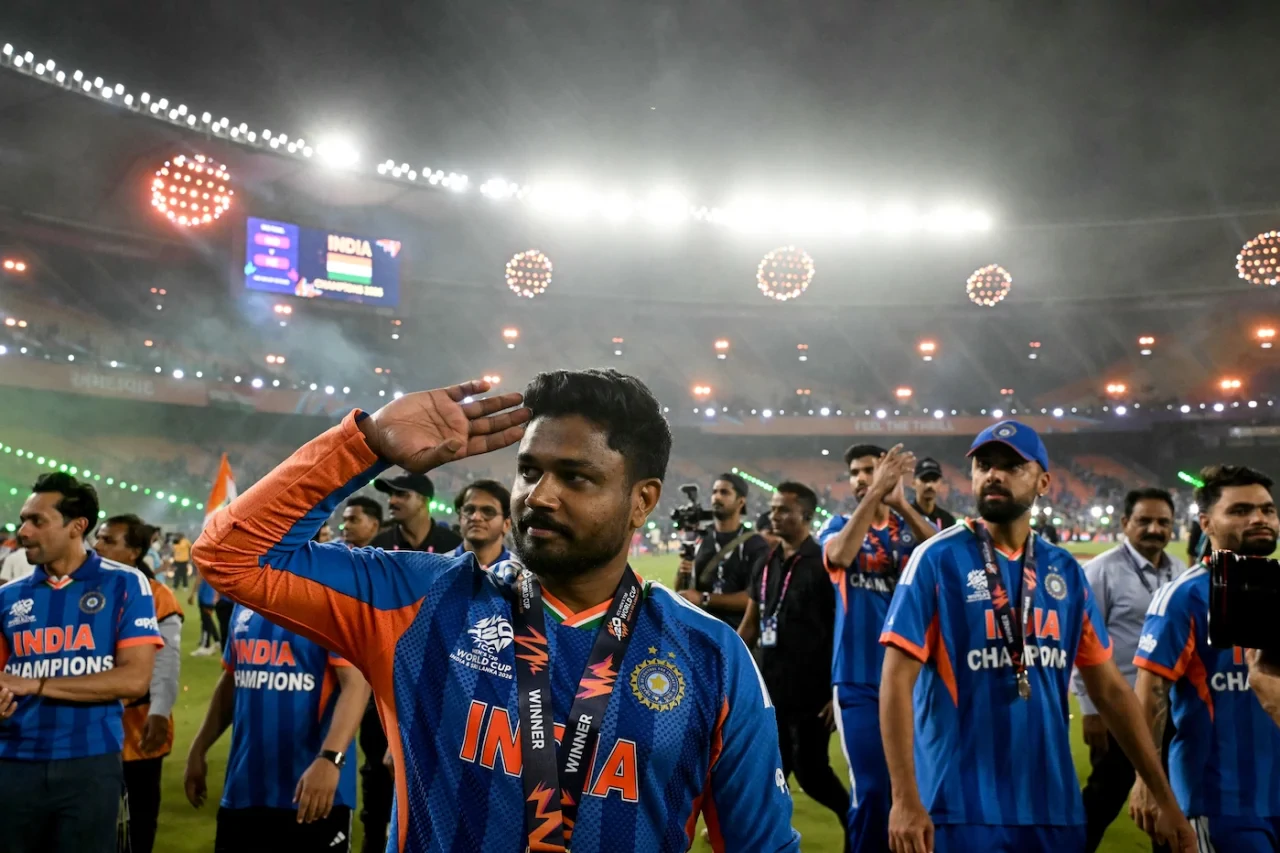
Gautam Gambhir and Suryakumar Yadav inherited such a high-quality team where player management is not a major headache. Imagine leading the 2024 World Cup-winning team when the path was cleared to easily include Abhishek Sharma and Tilak Varma.
There is another entirely possible scenario where India could have repeated all this success while keeping Yashasvi Jaiswal, Gill, and Shreyas Iyer in the first-choice eleven. Besides all these batting options, India also had players like Jasprit Bumrah and Hardik Pandya, and to some extent Axar Patel, whose capabilities no opposing team could replicate or match.
To assess this team fairly, they delivered results that honor the talent India produces. In this format known for upsets, they won six out of every seven matches they played over two years. They played most of these matches at night on grounds wet with dew. They lost the toss in both the semi-final and the final, making them the first team to win a T20 World Cup knockout match batting first under lights since 2014.
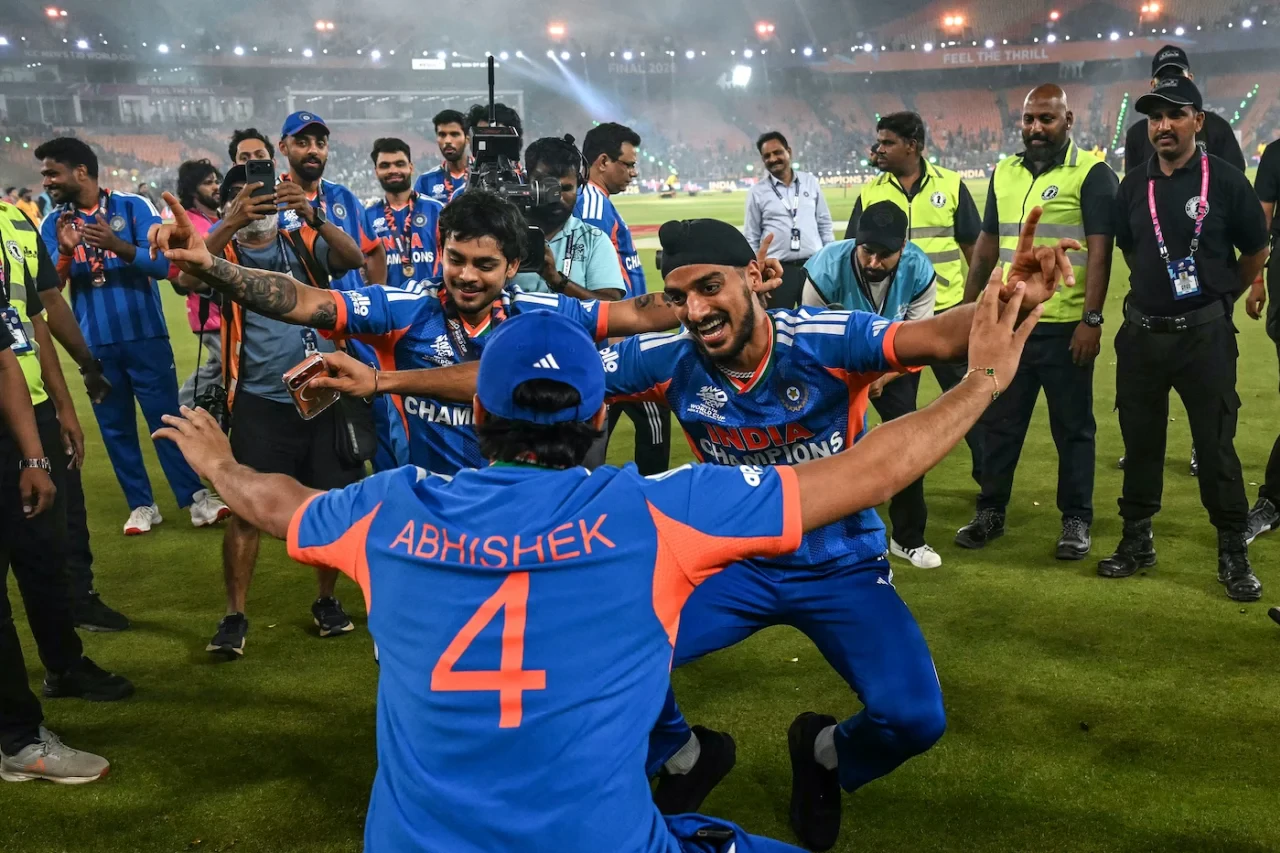
This was no ordinary victory; India scored over 250 runs in both knockout matches. They achieved this success only after refining their ultra-aggressive style. At some point in the tournament, perhaps after the loss to South Africa, they sat down and decided they needed to tone down their aggression slightly. They realized they needed to prioritize effectiveness slightly more than just dominance.
The real stars are certainly those players who faced all the pressures to conquer this uncertain format. Shivam Dube evolved as a batter capable of handling all types of bowling, Axar became a mature bowler, and Samson used all his experience and the essence of T20 to convert his week of excellent form into the most significant achievement of his life.
Abhishek went through the first poor run of form in his career, yet his slowest fifty came in just 26 balls. Bumrah was always there to handle situations when things got tough, Tilak easily adapted to the complete change in his role, and Pandya ensured India did not miss a third fast bowler.
Nevertheless, the role of luck in the T20 World Cup must be acknowledged, but it must also be considered that outsiders will not recognize it. This is the time when teams start trying to control the result rather than the process by visiting temples or changing hotels. There is so much downtime in T20 tournaments; you only play for four hours twice a week, that players' minds can wander.
However, their biggest victory is staying close to their best form every time they train or step onto the field. Now that they can be unequivocally called the greatest T20 team of all time, you can expect to see them play even more dangerous and fearless cricket. More dangerous and fearless hitters are waiting for their turn.
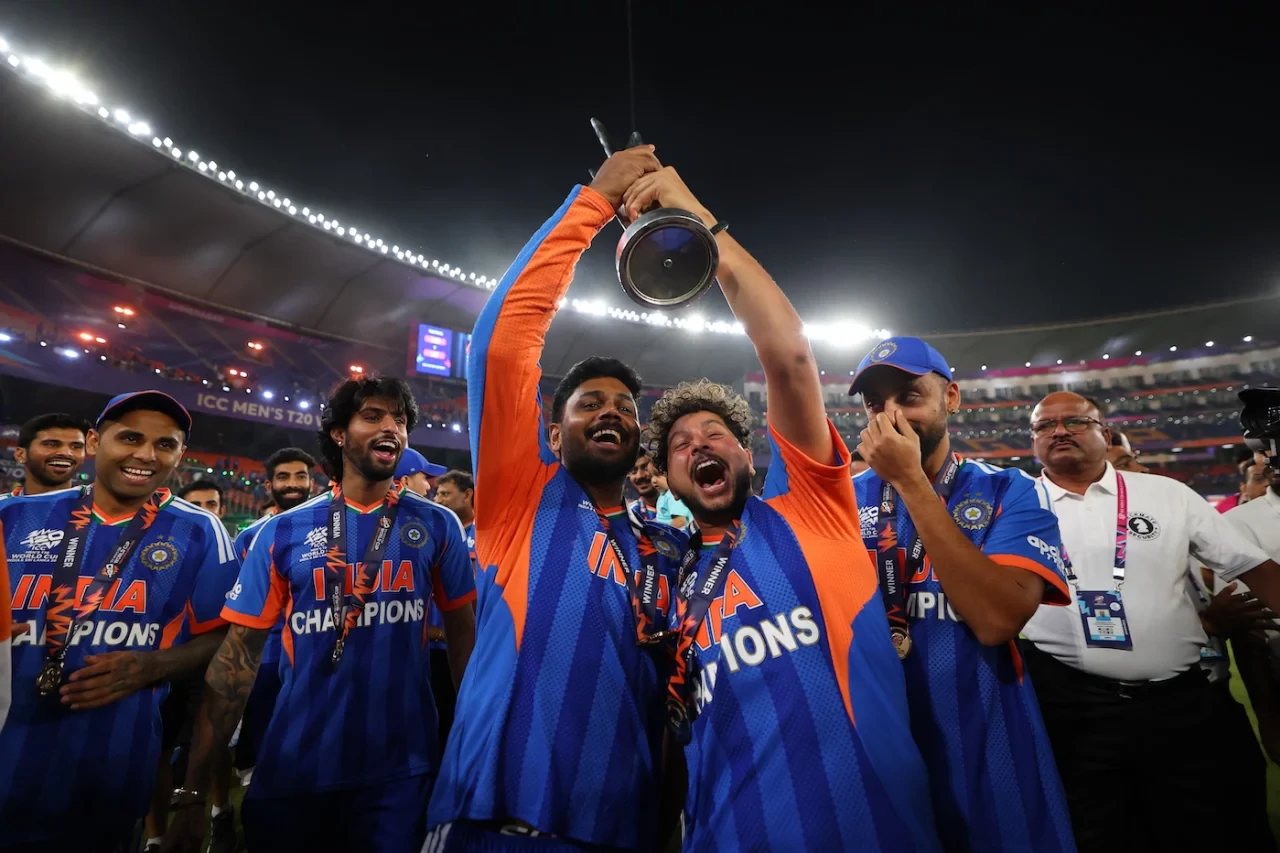
Also, a new challenge awaits. Since the last ODI World Cup, all three ICC tournaments have been played in conditions favorable to India. They took full advantage of this, losing only two matches out of four tournaments. Now, the conditions in South Africa, Australia, and New Zealand await, where India will not be able to field as many all-rounders as they did in these tournaments.
But let's face that challenge later. For now, it is time to enjoy the spectacular performance of these T20 cricketers, whom India has finally nurtured, albeit a bit late.
This specific news has been automatically translated by AI. As a result, there may be some inaccuracies or language errors.