Nepali Congress Leaders Show Loyalty: Some Campaign for Successors After Being Denied Tickets, While Others Lose Their Strongholds

Kathmandu. In the House of Representatives elections held in Mangsir 2079, the Nepali Congress won 57 seats under the first-past-the-post system. Among these, only one woman was elected directly. Sita Gurung, the sole Congress woman elected directly from Tehrathum at that time, also wished to contest directly in 2082. She submitted an application to the District Working Committee requesting a recommendation for her candidacy.
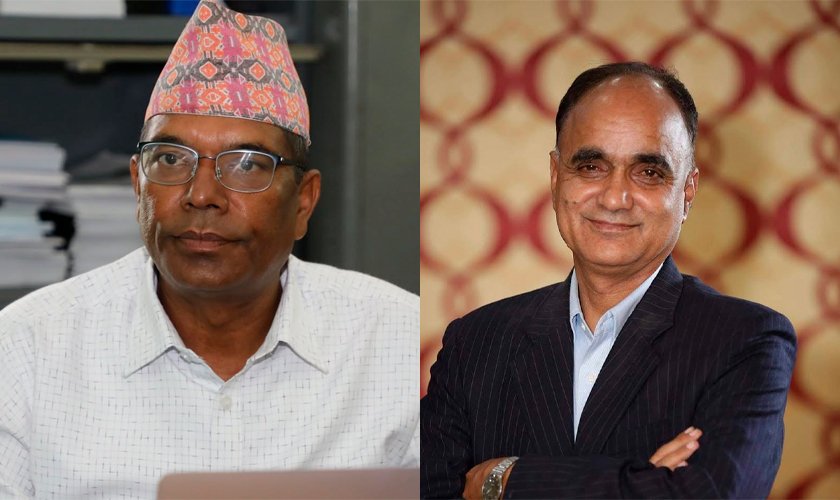
Her application was not acted upon by the District Committee. The Koshi Province Committee of the Congress added Gurung's name to the recommendation of the District Committee and sent it forward. However, by the time tickets were distributed, the party leadership itself changed through a special general convention. Gurung, considered close to Sher Bahadur Deuba who was elected President in the 14th General Convention, was not given a ticket by the President elected in the special general convention, Gagan Thapa. Santosh Subba received the party ticket for that constituency.
Many assumed that Gurung would not actively campaign after not receiving the ticket. However, after Subba secured the ticket, she accompanied him to Tehrathum and worked to ensure his victory. The result turned out as expected.
Subba was elected by defeating UML candidate Bhanubhakta Dhakal. Subba was elected with 11,561 votes, while Dhakal received only 10,682 votes.
Gurung stated that she considered it her duty to help the party's candidate win and made every possible effort to secure the victory. She said, 'I was a contender for the ticket. He (Subba) was also a contender. The party gave the ticket to him. After that, I focused on ensuring the victory of the party's candidate. Every effort was made. The result came as expected.'
Gurung mentioned that she worked diligently to protect the party's stronghold, disregarding internal factionalism. 'There was internal conflict within the party as we entered the election, but protecting the party's stronghold was more important than that conflict. We succeeded in protecting it through our efforts,' Gurung said.
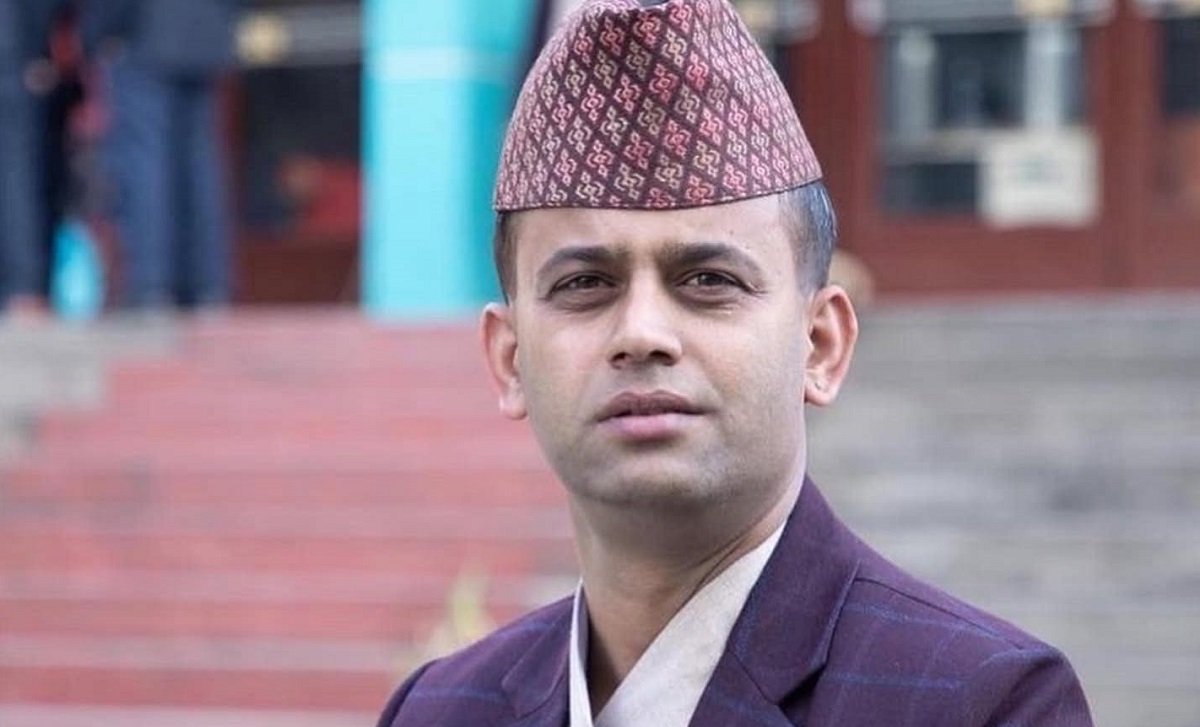
Ain Bahadur Shahi of Mugu is another such leader. Ain Bahadur, who is also the President of Congress Mugu, was directly elected from Mugu in '079. He was also a contender for the ticket this time. President Thapa initially gave him the ticket but later withdrew it. At the last moment, Khadga Shahi was made the Congress candidate. Even though someone else received the ticket he felt he deserved, Ain Bahadur worked to ensure the victory of his party's candidate. With Ain Bahadur's support, Khadga won the election.
Khadga was elected with 7,914 votes, while his closest competitor, UML candidate Purnabahadur Rokaya, received 6,718 votes.
Aenbahadur reacted that his strenuous efforts to protect his stronghold were successful. 'My belief is that the party's stronghold must be protected, rather than focusing on not getting the ticket myself. I worked according to that belief,' Shahi told Ratopati. 'I am happy with the result that came in proportion to the hard work.'
Former Joint General Secretary Badri Pandey, who was directly elected from Bajura in the House of Representatives in '079, is also among the leaders who protected the Congress stronghold by supporting the party's candidate instead of taking the ticket he felt he deserved and refusing to contest. Pandey had announced to Ratopati before the election that he would not contest this time. Even though he did not contest, he supported the party's ticket recipient, Janakraj Giri, and helped him win.
Giri was elected with 17,173 votes, while his closest rival, UML candidate Lalbahadur Thapa, received 16,633 votes.
Pandey stated that he had committed to supporting the party's candidate when he announced he would not contest the election, and he fulfilled that commitment. He told Ratopati, 'We went door-to-door seeking votes from the beginning of the campaign period given by the Election Commission. We remained engaged until the end. The result came as expected. I am happy.'
It is said that if leaders elsewhere, like these leaders, had worked to ensure the victory of party candidates even after being denied tickets, some other candidates might also have won.
3 Leaders Successfully Defended Their Strongholds
Even amidst the nationwide fervor for the Rastriya Swatantra Party, 3 Congress leaders succeeded in defending their old strongholds. Those who succeeded in protecting their strongholds are Mohan Acharya of Rasuwa, Tek Bahadur Gurung of Manang, and Yogesh Gauchan Thakami of Mustang.
In Rasuwa, Acharya was elected with 10,656 votes, defending his stronghold, while his closest rival, Rastriya Swatantra Party's Basanta Bhatta, received 5,571 votes.
In Mustang, Thakami was elected with 3,307 votes, while his closest rival, UML candidate Indradhara Bisht, received 1,801 votes.
In Manang, Gurung defended his stronghold by securing 2,415 votes, while his closest competitor, CPN candidate Yashoda Gurung (Subedi), managed only 454 votes.
Those Who Failed to Defend Their Strongholds
Some Congress leaders failed to defend their old strongholds. Dr. Sunil Sharma in Morang-3, Dr. Shekhar Koirala in Morang-6, Gyanendra Bahadur Karki in Sunsari-4, Dinesh Yadav in Saptari-3, Tejulal Chaudhary in Saptari-4, Mahendra Kumar Ray in Mahottari-4, Devprasad Timsena in Rautahat-4, and Ajay Chaurasia in Parsa-2, who won in the previous election, were defeated this time.
Similarly, Ramesh Rijal in Parsa-4, Pradip Paudel in Kathmandu-5, Uday Shamsher Rana in Lalitpur-1, Shankar Bhandari in Tanahun-2, Dr. Chandrakanta Bhandari in Gulmi-1, Surendraraj Acharya in Kapilvastu-2, Deepak Giri in Dang-3, Binod Chaudhary in Nawalparasi-1, Dikpal Shahi in Dailekh-2, Pushpabahadur Shah in Achham-2, and candidate NP Saud in Kanchanpur-2 failed to protect their strongholds.
This specific news has been automatically translated by AI. As a result, there may be some inaccuracies or language errors.