Ayatollah Khamenei's Son Mojtaba Tapped as Successor Amid Controversy and Security Threats

Tehran. Mojtaba Khamenei, the son of the late Supreme Leader of Iran, Ayatollah Ali Khamenei, who was killed in attacks by the United States and Israel, has been selected as his successor. Compared to his father, the 56-year-old Mojtaba is a figure who has always preferred to operate behind the scenes.
He has never held any government position and has never given public speeches or interviews. Only limited photos and videos of him have been released to the media. However, it has been continuously rumored that he has exerted significant influence behind the scenes in Iran's power structure for years.
In US diplomatic documents published by WikiLeaks in the late 2000s, he was described as the “power hidden beneath the robes.” According to the Associated Press news agency, he is viewed within the establishment as a capable and powerful figure.
However, his selection is certainly not without controversy. The core ideology of the Islamic Republic, established after the end of the monarchy in 1979, is that the Supreme Leader should not be chosen hereditarily but based on religious standing and proven leadership capability.
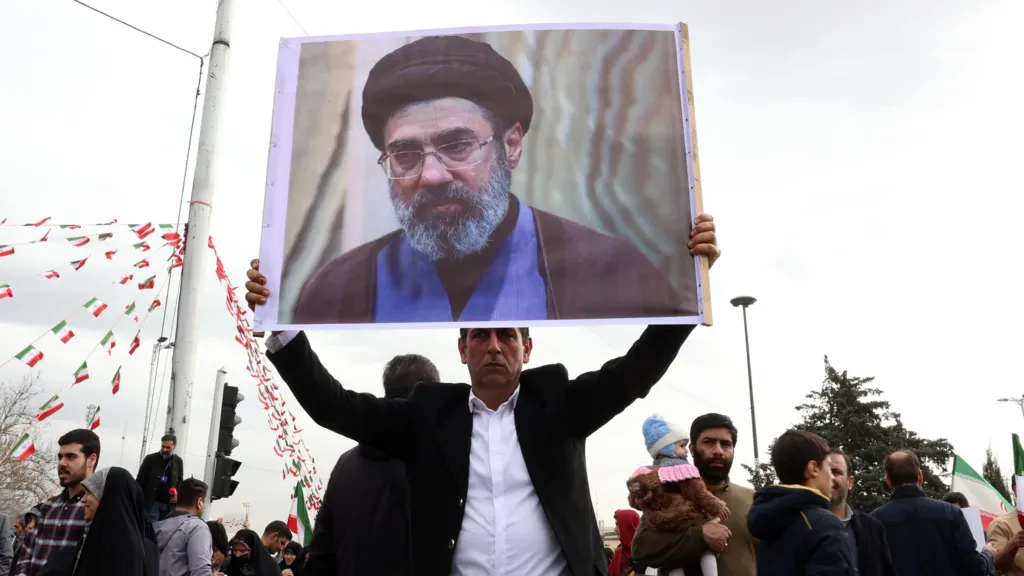
Ali Khamenei never spoke clearly about future leadership during his tenure. A member of the Assembly of Experts, the body that selects the Supreme Leader, stated just two years ago that Ali Khamenei had opposed the idea of nominating his son as a candidate for future leadership. However, he never publicly addressed such speculations.
Mojtaba Khamenei was born on September 8, 1969, in the northeastern city of Mashhad. He is the second of Khamenei's six children. He completed his secondary education at the Alavi School in Tehran. According to Iranian media, at the age of 17, Mojtaba also served briefly in the military during the Iran-Iraq War. That eight-year bloody war made the Iranian establishment more suspicious of the US and Western nations, which had supported Iraq at the time.
In 1999, Mojtaba traveled to the holy city of Qom, considered a major center for Shia theology, to continue his religious studies. Interestingly, he had not adopted the clerical attire by that time. His decision to enroll in the seminary at the age of 30 was unusual in itself, as such studies typically begin at a much younger age.
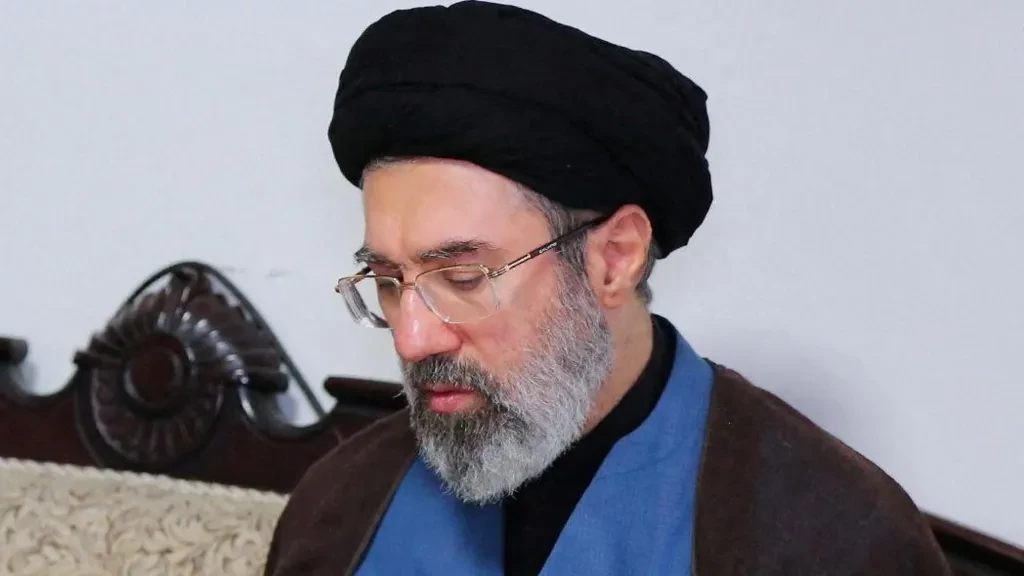
Mojtaba is still a mid-level cleric, which could pose some technical hurdles for him to become the Supreme Leader. However, in recent days, media outlets and officials close to the Iranian establishment have begun addressing him with the high religious title of ‘Ayatollah.’ According to observers, this is a calculated effort to elevate his religious status and present him as a qualified leader.
In the seminary system, obtaining the title of Ayatollah and teaching at high-level classes is considered an indicator of a person's scholarship and knowledge, which is one of the prerequisites for selecting a future leader. However, this practice is not new in Iran. Ali Khamenei was also rapidly promoted to Ayatollah after becoming the second Supreme Leader in 1989.
Mojtaba's name first surfaced publicly in controversy during the 2005 presidential election, which was won by the hardline populist leader Mahmoud Ahmadinejad.
In an open letter to Khamenei, reformist candidate Mehdi Karroubi accused Mojtaba of interfering in the election by using the Islamic Revolutionary Guard Corps (IRGC) and the Basij militia. There were allegations that money was distributed to religious groups to ensure Ahmadinejad's victory. Mojtaba faced similar accusations four years later in 2009.
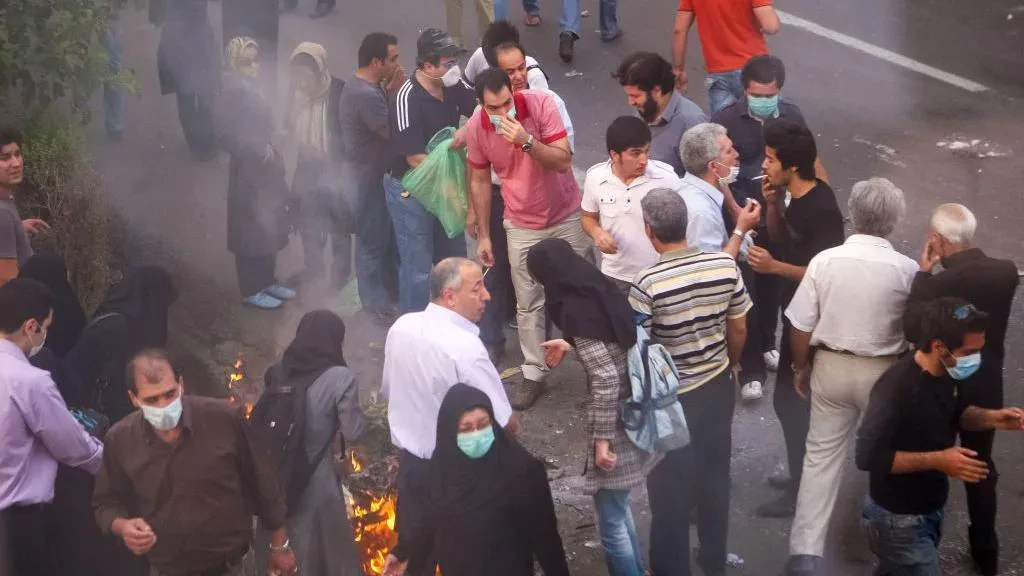
Following Ahmadinejad's re-election, massive demonstrations under the name Green Movement took place across the country. Some protesters chanted slogans on the streets in opposition to the possibility of Mojtaba replacing his father. The then Deputy Interior Minister, Mostafa Tajzadeh, called the result a coup d'état. He was later sentenced to seven years in prison, which he claimed was at the direct behest of Mojtaba Khamenei.
After the 2009 election, two reformist candidates, Mir-Hossein Mousavi and Mehdi Karroubi, were placed under house arrest. According to BBC News Persian, Mojtaba met Mousavi in February 2012 and pressured him to abandon the protests.
Now, as the newly appointed Supreme Leader of Iran, many expect Mojtaba to continue his father's hardline policies. Analysts suggest that having lost his father, mother, and wife simultaneously in the US-Israel attacks, he is highly unlikely to yield to Western pressure. However, he faces the monumental challenge of convincing the public that he is capable of preserving the existence of the Islamic Republic and guiding the country through extreme political and economic crises. The test of his leadership ability remains to be seen.
The perception that the country's highest office is being pushed towards a hereditary system carries the significant risk of further increasing dissatisfaction among the Iranian people. On the other hand, Mojtaba is now facing the world's greatest security threat. Israel's Defense Minister issued a direct warning just last week that whoever is chosen as the successor to Ayatollah Ali Khamenei will be on Israel's hit list.
This specific news has been automatically translated by AI. As a result, there may be some inaccuracies or language errors.