Analysts Skeptical as Trump Claims Role in Iran's Next Supreme Leader Selection

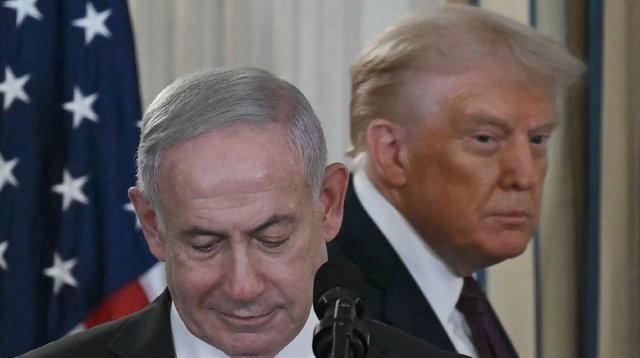
Tehran. US President Donald Trump stated on Thursday that the United States should have a role in the selection of Iran's next Supreme Leader. Analysts, however, claim that such an expectation is practically very complex.
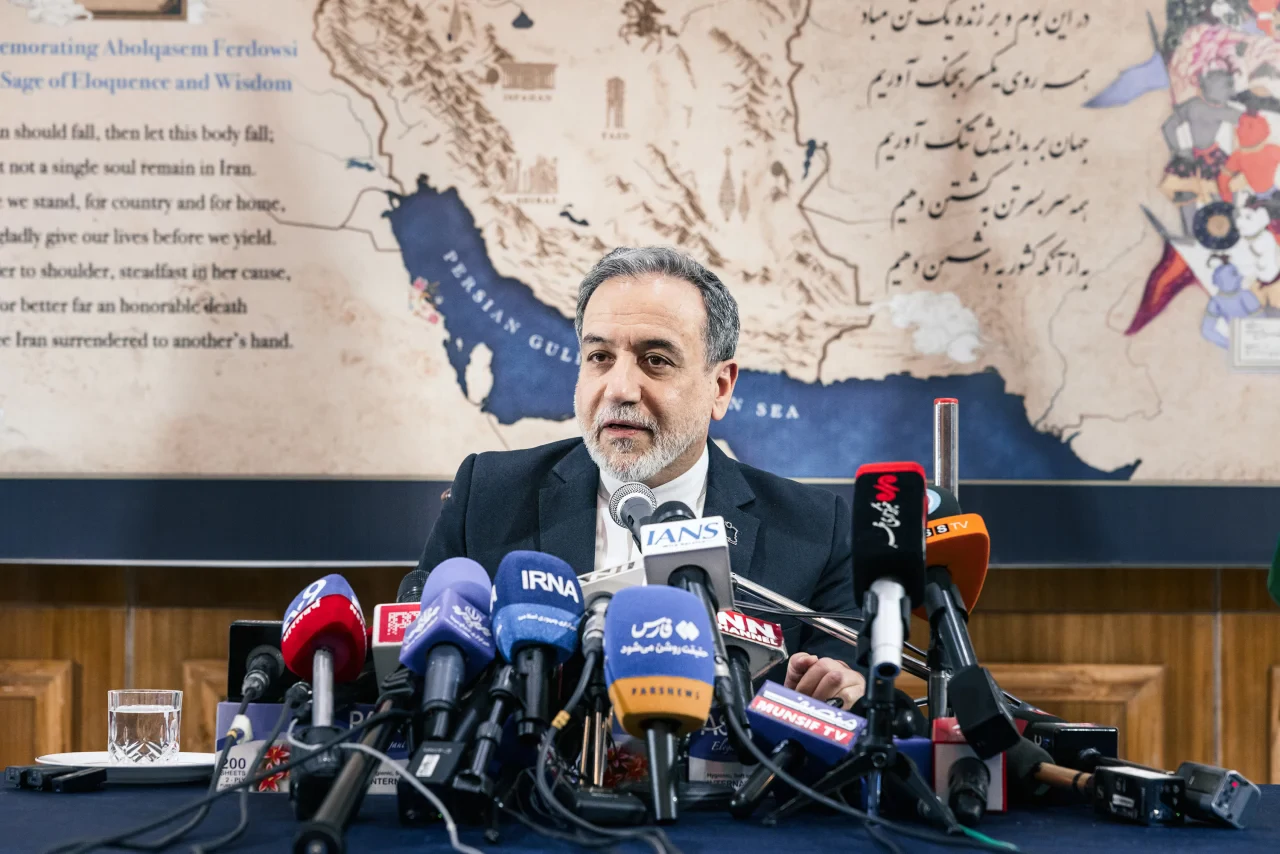
In his statement on Thursday, Trump indicated that he must be involved in the appointment of Iran's next leader, asserting that a leadership continuing Khamenei's policies would be unacceptable to him. According to Arash Ajizi, a professor at Yale University and an Iranian-American historian, Trump's remark signals that the US wants to maintain pressure until a leadership acceptable to it emerges in Tehran. He said, 'This conflict is not just about the nuclear program or missile capability; it is about the leadership of Iran. It is also connected to who governs in Tehran.'
Trump cited the example of Venezuela, suggesting he wants to do the same in Iran. However, analysts argue that Iran's situation cannot be compared with other countries. Ali Vaez, Iran Project Director at the International Crisis Group, stated that the example of regime change like in Venezuela would not apply here because Iran's political structure is much deeper and more entrenched.
He suggests that any Iranian leader attempting to emulate Venezuelan interim President Delcy Rodríguez would face political suicide.
'Iran's state structure, society, and military are very different,' Behnam Ben Taleblu, Senior Fellow at the Foundation for Defense of Democracies' Iran Program, told CNN. 'Iranian institutions are still functioning, and even without a Supreme Leader and Commander-in-Chief, the regime is fighting an ever-expanding missile and drone war,' Taleblu said.
Currently, a three-member temporary leadership council is holding the authority of the Supreme Leader in Iran.
Meanwhile, the 88-member religious council, the Assembly of Experts, is reportedly meeting virtually to select the new Supreme Leader. 'One reason the regime, though weakened, has been allowed flexibility is the current symbiosis between political and military bodies, which encourages them to cooperate and survive,' Taleblu added. 'While those bodies signal continuity, there is a fierce struggle over who the next Supreme Leader might be,' Ajizi said. 'I think the regime has every incentive to put forward a name so that the rest of that deep state and its remaining political and military elite can rally around it,' Taleblu added. It remains to be seen whether this will lead the US to target the new leader.
Another potential successor emerging is Mojtaba Khamenei, the second son of the late Supreme Leader Ayatollah Ali Khamenei. Reports suggest Mojtaba survived a US-Israeli attack, leading to speculation that he could be the future leader. He has strong ties with the Revolutionary Guards and is known as a person who wields significant influence behind the scenes. However, Trump has already indicated that Mojtaba Khamenei would be unacceptable.
Ajizi says that Trump has raised the political stakes by demanding a role in Iran's new leadership selection. He suggests that Trump saying this means the new leader must be acceptable to the US, otherwise, it could create a politically uncomfortable situation for Trump.
This specific news has been automatically translated by AI. As a result, there may be some inaccuracies or language errors.