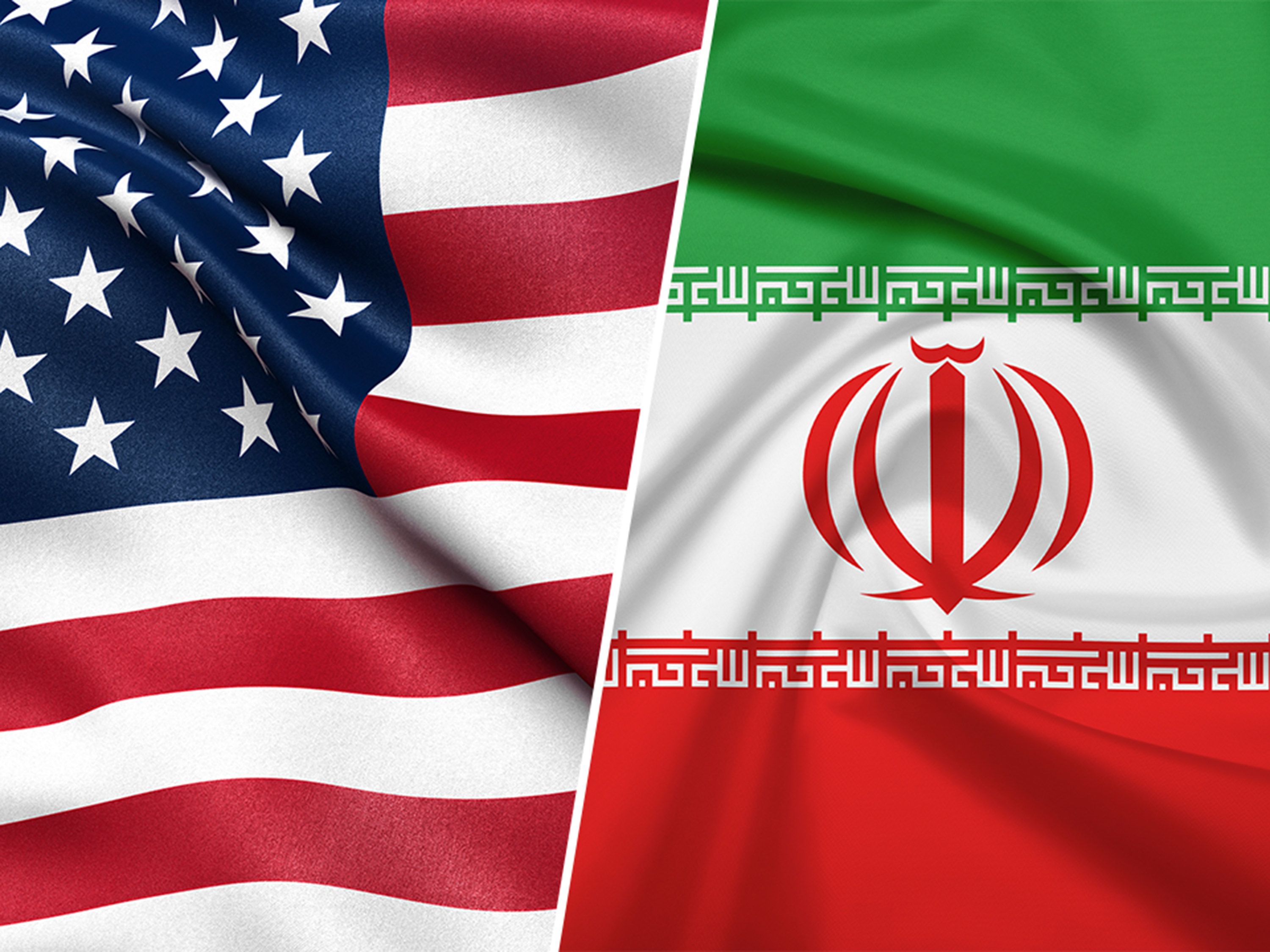
US and Iran Begin Indirect Talks in Geneva Amid Regional Tensions; Missile Issue Softened by Washington

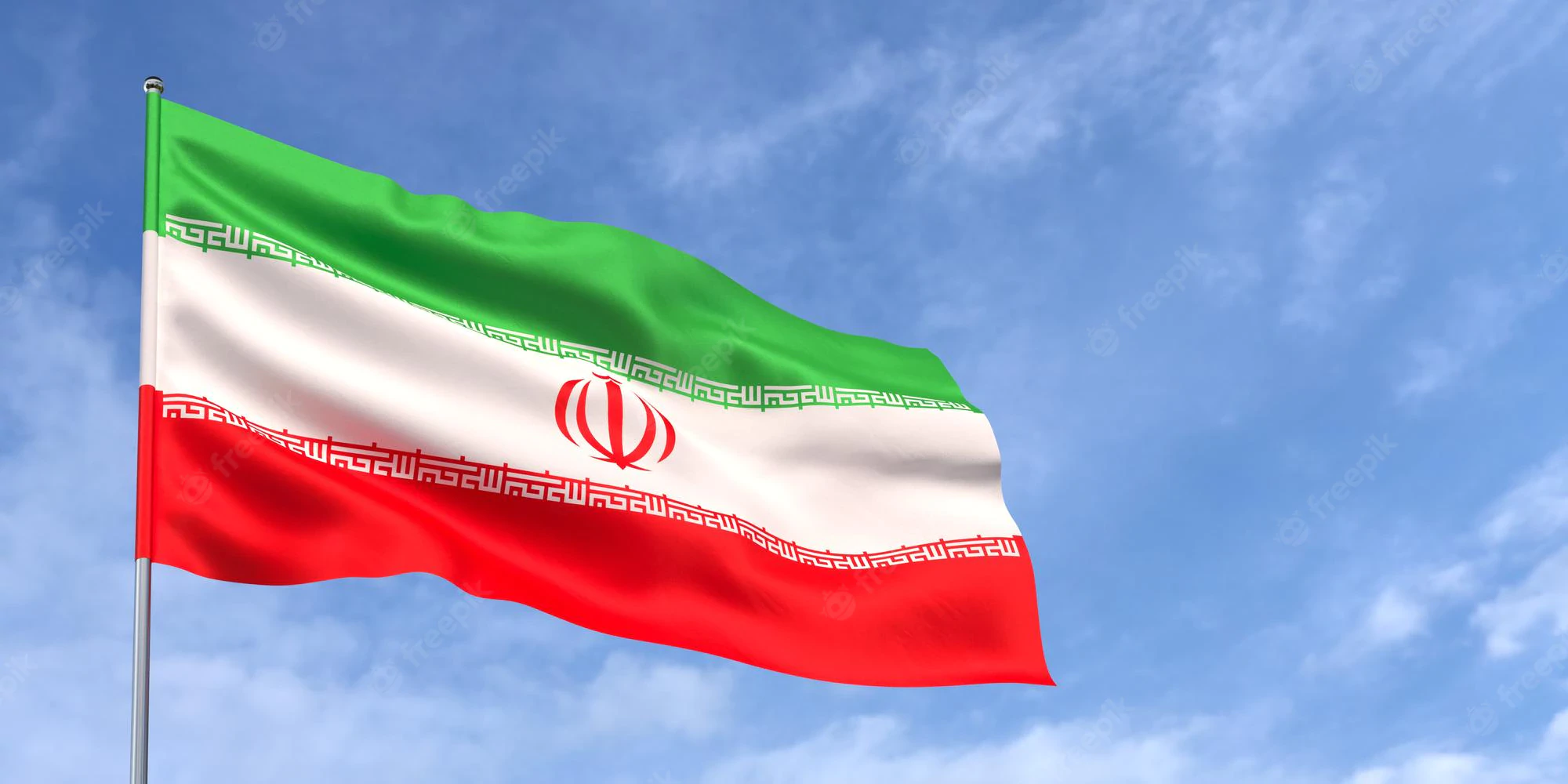
Kathmandu. As a new round of indirect talks between the United States and Iran is set to begin in Geneva, Switzerland, in an effort to avert further conflict, Washington appears to have somewhat sidelined the missile issue it has publicly raised. Both sides are seeking a diplomatic path as regional tensions reach a peak.
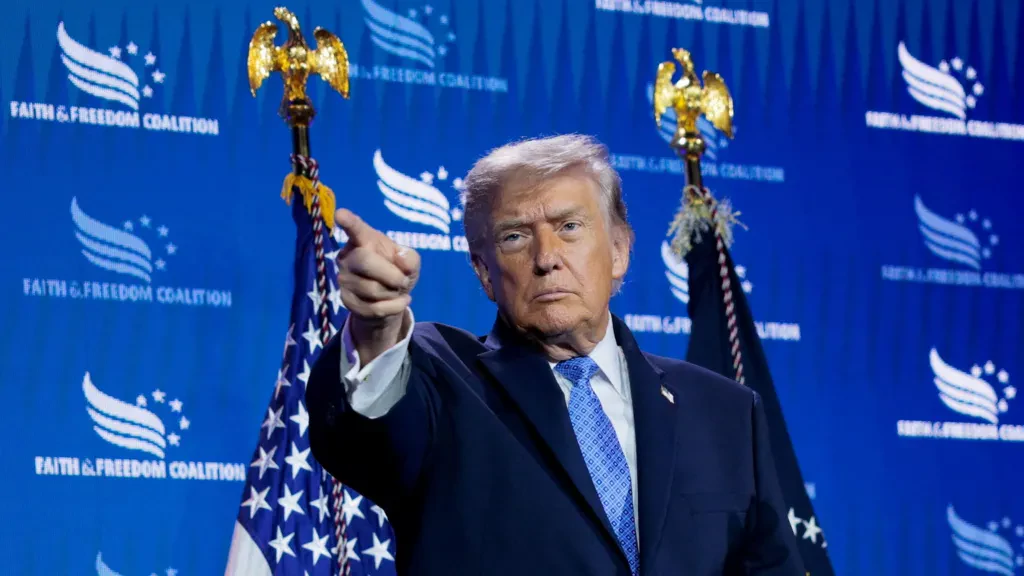
The talks commence after the US significantly increased its military presence in the region and President Donald Trump reiterated warnings that an attack could occur if a deal is not reached. During his State of the Union address on Tuesday, Trump accused Iran of pursuing 'frightening nuclear ambitions' and claimed that Tehran had developed missiles capable of reaching US bases in Europe and abroad.
He also mentioned efforts to build missiles capable of reaching the continental United States soon. The Iranian Foreign Ministry rejected these allegations, calling them a 'big lie.' Tehran publicly states that the maximum range of its missiles is two thousand kilometers, while the US Congressional Research Service estimates their capability could be around three thousand kilometers, which is analyzed as insufficient to reach the continental US.
However, the core dispute between the two countries remains centered on Iran's nuclear program. Western nations suspect Tehran aims to develop a nuclear bomb, while Iran insists its program is solely for peaceful purposes.
The US is pressing for discussions on Iran's ballistic missile program and its support for armed groups active against Israel.
Secretary of State Marco Rubio stated that Tehran's refusal to discuss the missile issue was a 'big problem' and warned that Iran must negotiate on this program as well.
He also clarified that President Trump favors a diplomatic solution. Iran, on the other hand, insists that issues other than the nuclear file are outside the scope of negotiations and demands the lifting of US sanctions that have weakened its economy.
Iranian President Masoud Pezeshkian stated that he is proceeding with a 'favorable approach to negotiations' and expressed hope that the current 'neither war nor peace' situation can be overcome. Foreign Minister Abbas Araghchi, leading the Iranian team in the talks, called it a 'historic opportunity' and claimed a deal was 'within reach.'
He noted that the success of the talks would depend on the seriousness of the US side and their ability to avoid contradictory behavior. The US team will be led by Ambassador Steve Witkoff and Jared Kushner. Preliminary stages of talks were previously completed with mediation from Oman.
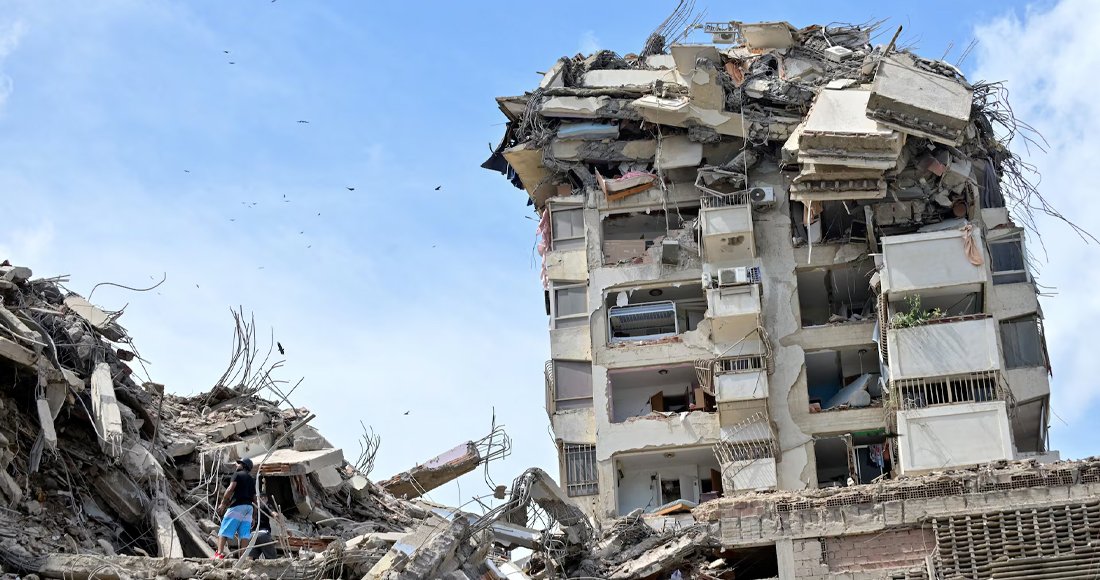
The previous attempt failed after an unexpected Israeli attack in June. Israel's sudden attack led to a 12-day war, which also involved US bombing.
Tensions between the two countries also escalated following widespread protests and their suppression in Tehran in January. Trump has repeatedly warned that he might intervene to 'help' the Iranian people.
According to Emil Hokayem of the International Institute for Strategic Studies, the region is genuinely feeling the possibility of war, although many Middle Eastern nations are pressuring the US not to attack Iran.
Tehran's ordinary citizens appear divided over the potential conflict. Tayebeh, a 60-year-old housewife, said war would be 'very bad' for Iran, expressing fears of famine and further suffering. She noted that people are already suffering and worried that war could make the country's future even more uncertain.
This specific news has been automatically translated by AI. As a result, there may be some inaccuracies or language errors.