Understanding Influenza: How the Flu Virus Spreads and Essential Prevention Tips


Imagine you are at the office. Your colleague sitting next to you keeps sneezing. After some time, you start feeling a scratchy throat, headache, and feverish symptoms. This could be due to the influenza or flu virus, which spreads rapidly through the air.
The risk is even higher in enclosed and poorly ventilated spaces because the viruses remain suspended and active in the air for longer periods in a closed room.

Every year, the number of flu patients spikes during seasonal changes. Generally, it is a mild infection, but if neglected, it can become serious. However, with the right information, timely treatment, and some precautions, the flu can be avoided.
Let's discuss the flu in detail. Also, let's learn how the cold virus spreads in the air? What precautions should be taken to avoid the flu?
- If someone near us sneezes or coughs, we catch a cold the next day. Why does this happen?
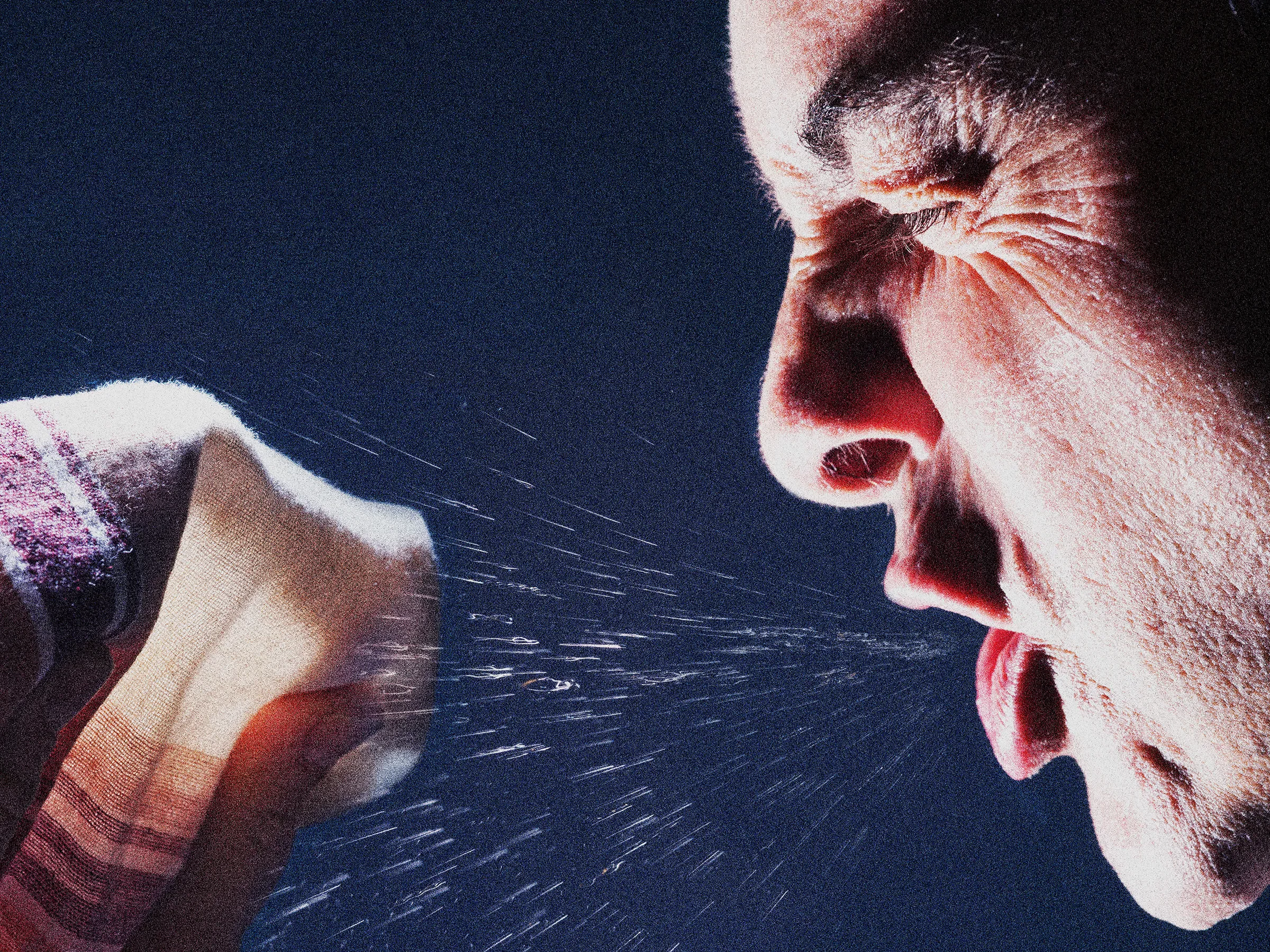
Contact with each other is the main reason. When a person sneezes or coughs, the viruses expelled from their mouth and nose spread into the air. If we breathe in that same environment or touch contaminated surfaces and then touch our eyes, nose, or mouth, the virus can enter our body.
The cold virus spreads very quickly, and its incubation period (time until symptoms appear) is usually 1 to 3 days. Therefore, symptoms like a scratchy throat, runny nose, or sneezing often start appearing the next day or within a few days.
How does the cold virus travel in the air?
When a person coughs, sneezes, or speaks, very small water droplets (droplets) and fine particles (aerosols) are released from their mouth and nose into the air. These water droplets contain the virus.
Heavier droplets fall onto surfaces within seconds. However, lighter aerosols remain suspended in the air for some time. If another person breathes that air, the virus can reach the respiratory system and cause infection. This is why the infection spreads rapidly in crowded and enclosed spaces.
Flu viruses can remain active on surfaces like door handles, mobile phones, tables, or keyboards for many hours. If you touch your eyes, nose, or mouth after touching a contaminated surface without washing your hands, the virus can enter the body.

Flu can spread not only through air or touch but also through some of our daily habits. We often overlook these habits. Learn how the flu spreads:
- Shaking hands with a sick person.
- Coming into contact with an infected person.
- Sitting face-to-face.
- Touching their belongings.
- Frequently touching eyes, nose, and mouth.
- Not covering the mouth while coughing or sneezing.
- Going to crowded places.
If someone comes into contact with a flu-infected person, does it guarantee 100% infection?
No, that is not necessary. The risk of infection depends on these factors:
- What is your immune system like?
- Have you received the flu vaccine?
- What was the nature and duration of the contact?
Did you adopt protective measures like wearing a mask or practicing hand hygiene? Strong immunity and caution can significantly reduce the risk of infection.
Many times, a person carries the flu virus in their body but shows no clear symptoms. In such a state, they might feel healthy but can still transmit the infection to others.
What precautions should be taken to avoid the flu?
Making small changes to daily habits can be very effective in preventing the flu. Hygiene, adequate distance, and strong immunity can greatly reduce the risk. The ways to avoid the flu are as follows:
- Avoid crowded places.
- Stay away from infected individuals.
- Cover your mouth when coughing or sneezing.
- Sleep 7-8 hours daily.
- Wash hands with soap and water 3-4 times a day.
- Wear a mask when going out.
- Do not touch the belongings of a sick person.
- Drink an adequate amount of water.
- Eat plenty of fruits and vegetables.
The flu vaccine reduces the risk of getting the flu. Even if infected, it prevents the disease from becoming severe.
What to do if someone gets the flu?
It is extremely important to give your body rest when you have the flu. Quick recovery is possible with proper care and timely precautions. If you get the flu, pay attention to these things:
- Wear a mask.
- Stay away from others (in isolation).
- Avoid fried or roasted foods.
- Take steam inhalation 1-2 times a day.
- Rest completely.
- Eat liquid foods.
- Do not let others use your belongings.
- Drink herbal decoctions and turmeric-milk.
- Consult a doctor if necessary.
In most cases, flu symptoms subside in 5-7 days. However, fatigue and weakness can persist for many days. Full recovery may take 10 to 15 days.

Delay in treatment can cause the flu to become severe. For example:
- High fever may persist for a long time.
- Weakness in the body may increase.
- In some cases, the infection can reach the lungs, leading to complications like pneumonia, difficulty breathing, or bronchitis.
- The condition can be more severe in the elderly, children, pregnant women, and people with pre-existing conditions (like diabetes or asthma).
In some specific situations, consulting a doctor is necessary. For example:
- If the fever is above 102 degrees Fahrenheit and lasts for more than two days.
- If there is difficulty breathing.
- If there is severe headache or chest pain.
- If there is a loss of appetite.
- If there is continuous vomiting.
- If extreme weakness or confusion occurs.
- It is immediately necessary to see a doctor if flu symptoms appear in children, the elderly, chronically ill patients, and pregnant women.
This specific news has been automatically translated by AI. As a result, there may be some inaccuracies or language errors.

_cvUCBlwFTZ.jpg)