Understanding Appendicitis: Causes, Symptoms, Treatment, and Prevention


A patient's appendix had enlarged to 12 mm, necessitating surgery. They are currently recovering after the operation.
This condition is called Appendicitis. Timely identification and treatment are crucial, as delays can make it dangerous.
According to a study published in the International Journal of Anatomy Radiology and Surgery, this problem generally occurs between the ages of 10 and 30. Most cases require emergency surgery.
Therefore, today we will discuss the appendix. We will also learn what appendicitis is, what its main symptoms are, and what the treatment for appendicitis is.
What is the Appendix?
The appendix is a small, finger-shaped, tube-like organ. It is attached to the side of the large intestine, located in the lower right part of the abdomen. Previously, this organ was considered useless. However, many new studies have revealed that:
- It helps protect the healthy bacteria in the gut.
- It strengthens the immune system.
Although the appendix is not essential for the digestive process, people can live a normal life without it. When it becomes inflamed, that condition is called appendicitis. If not treated in time, it can rupture, which is very dangerous.
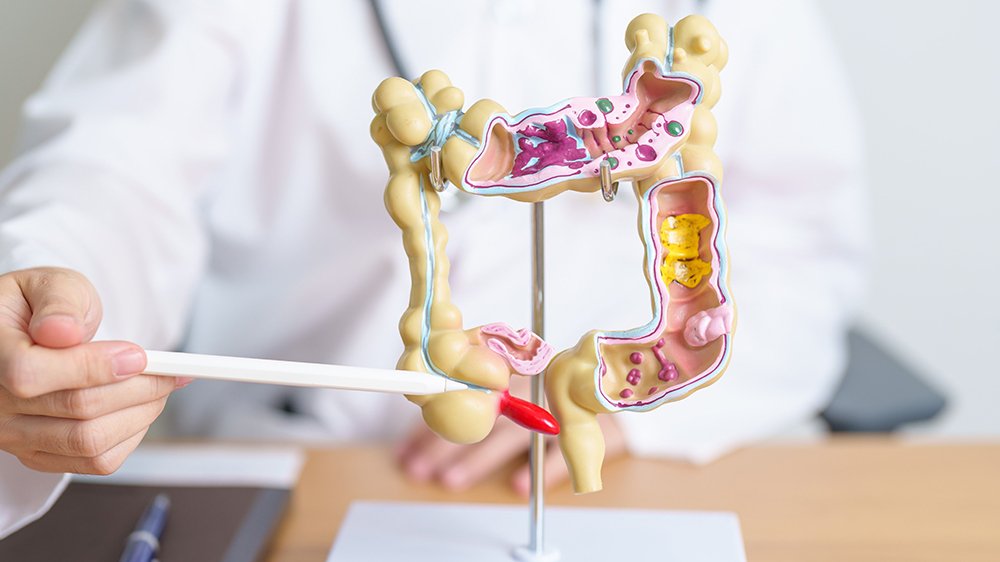
What is the function of the appendix in our body?
The appendix is not a primary organ of the digestive system. However, it helps protect the healthy bacteria residing in the intestines. After diarrhea or any infection, it helps replenish the healthy gut bacteria. The appendix also boosts immunity.
It contains lymphoid tissues, which help fight infection. Lymphoid tissues contain white blood cells. It is like the body's defense factory.
It supports the body's immune system.
The appendix is more active during childhood. Its role diminishes with age. The body can function normally even without an appendix. Therefore, the appendix is useful but not indispensable.
Why does the appendix swell? Is this called appendicitis?
The swelling of the appendix means it has become inflamed. This inflammation is usually caused by an obstruction. This blockage can be due to stool, mucus, or an infection. When a blockage occurs, bacteria multiply rapidly.
This causes infection and inflammation in the appendix. This inflammation is called appendicitis. The pain usually starts around the navel and moves to the lower right side of the abdomen. If not treated in time, the appendix can rupture, leading to a life-threatening infection. Therefore, appendicitis is considered a medical emergency.
What are the symptoms of appendicitis?
The main symptom is abdominal pain, which starts around the navel. Within a few hours, this pain spreads to the lower right side of the abdomen. The pain gradually intensifies.
Signs of appendicitis include:
- Pain around the navel
- Severe pain in the lower abdomen
- Bloating or gas in the abdomen
- Nausea and vomiting
- Complete loss of appetite
- Mild fever
- Constipation or diarrhea
- Abdominal swelling
- Pain upon walking or coughing
What is the treatment for appendicitis?
The treatment for appendicitis depends on its severity. In the initial and mild stages, antibiotics can be administered, which helps control the condition.
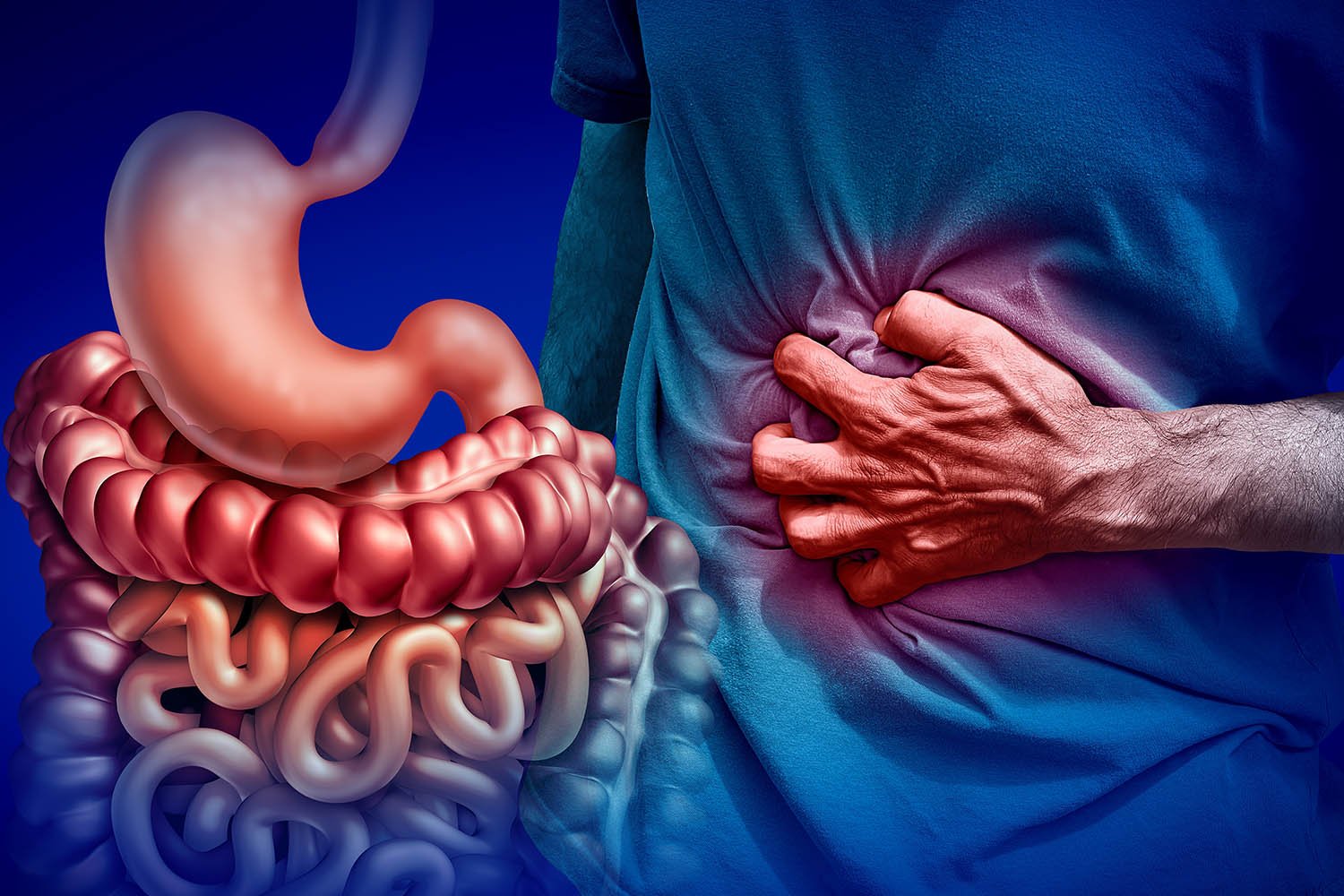
Emergency surgery is required if the appendix ruptures. Delay risks severe infection. However, in most cases, surgically removing the appendix is the safest treatment. This surgery is called 'Appendectomy'.
In what situations is appendix surgery necessary?
With the exception of a few specific cases, doctors advise surgery for most appendicitis patients. If acute appendicitis is detected during testing and the pain in the lower right abdomen is continuously increasing, surgery is the safest option.
Surgery is the best option in the following situations:
- If tests show the appendix is severely swollen or has pus accumulation.
- If antibiotics do not resolve the condition.
- If there is a risk of the appendix rupturing.
- If infection is detected via CT/MRI.
- If appendicitis recurs repeatedly.
- If it causes high fever along with vomiting.
What complications can arise from an inflamed appendix?
If the appendix is inflamed and not treated promptly, it can rupture. This is a life-threatening situation. The complications are as follows:
- The appendix can rupture.
- Pus can spread inside the abdomen.
- Intestinal infection can occur.
- Ulcers or sores can form in the abdomen.
- Sepsis (blood infection) can occur.
- Unbearable pain can occur.
- Surgery may become difficult.
(Note: Most complications increase due to treatment delays.)
How can appendicitis become life-threatening?
Understand from the points given below:
- Delay in treatment can make this condition fatal. Rupture of the appendix causes severe infection to spread in the abdomen. This is called 'Peritonitis'.
- The infection can spread to the blood, causing Sepsis.
- Sepsis can cause a sudden, severe drop in blood pressure.
- This carries the risk of multiple organ failure.
- Children and the elderly are at greater risk from this.
- This danger is almost eliminated if surgery is performed in time.
Does our lifestyle increase the risk of appendicitis?
Certain lifestyle factors can increase the risk. For example:
- A diet lacking in fiber and high in fried foods causes constipation.
- Constipation increases the risk of obstruction in the appendix.
- Junk food and ultra-processed foods also increase the risk of constipation.
- Drinking insufficient water can also cause constipation.
- In addition, low physical activity can also be a cause of appendicitis.
- Repeated abdominal infections increase the risk.
- Smoking can increase inflammation.
However, a poor lifestyle is not the only cause of appendicitis.
What lifestyle changes should we make to prevent appendicitis?
Understand from the points given below:
- Eat fiber-rich food daily.
- Consume fruits, green vegetables, and legumes/whole grains.
- Drink enough water to prevent constipation.
- Avoid junk food and processed food.
- Exercise daily and take morning walks.
- Do not ignore abdominal infections or pain.
- Consult a doctor if constipation persists for a long time.
- Do not consume tobacco or smoking products.
- Take care of overall health.
If appendicitis occurs at a young age, could there be a genetic link?
Scientific studies are not unanimous on this matter. Further research is needed. So far, no study has confirmed a genetic connection for appendicitis occurring at a young age.
However, a familial or genetic connection has been observed in some adult patients. If someone in the family has had appendicitis before, the risk might slightly increase.
Genetics can influence intestinal structure and immune response. However, it is not entirely a hereditary disease. Diet and lifestyle are the primary underlying causes. Therefore, genetics can be one factor, but not the sole cause.
This specific news has been automatically translated by AI. As a result, there may be some inaccuracies or language errors.

_D4v4Yqko03.jpg)

_hXuKAenRlA.jpg)