Myagdi Candidates Shift Campaign Strategy, Embracing Digital Outreach Over Traditional Rallies


Myagdi. Political parties and candidates in Myagdi have changed their old election campaigning styles for the upcoming House of Representatives elections.
Compared to previous elections which heavily relied on large posters and pamphlets pasted on walls, and massive rallies, this time candidates have adopted a policy of holding discussions with voters, door-to-door canvassing, and organizing small programs by visiting neighborhoods. Furthermore, the use of 'digital campaign materials' through social media has been widely prioritized.
Currently, candidates, leaders, and cadres are emphasizing door-to-door visits and direct meetings. Leaders have been assigned the responsibility of campaigning in their respective municipalities. Those entrusted with this responsibility are campaigning for their party and candidates through direct voter interaction and social media.
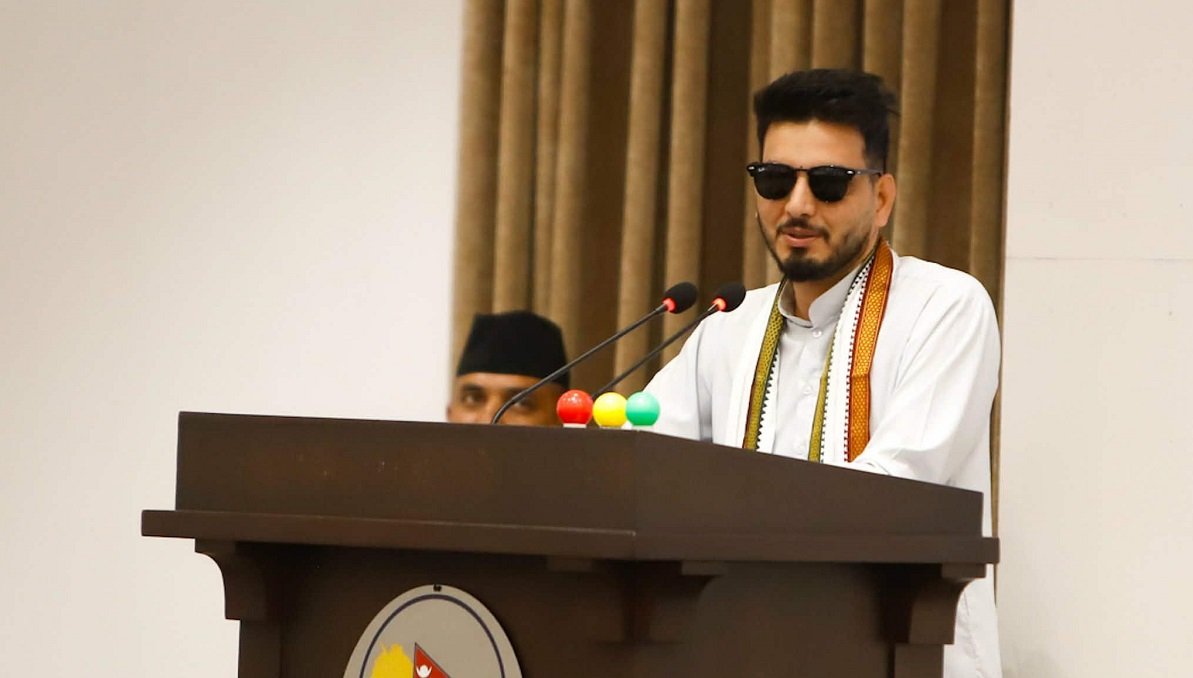
A style of creating and posting daily video content on Facebook, TikTok, and YouTube with cameramen, and conducting live broadcasts has been adopted. Not only that, independent candidate Mahabir Pun is going around every neighborhood using a handheld microphone, shouting in the style of a town crier, "Hey people! Mahabir has arrived," sharing his message.
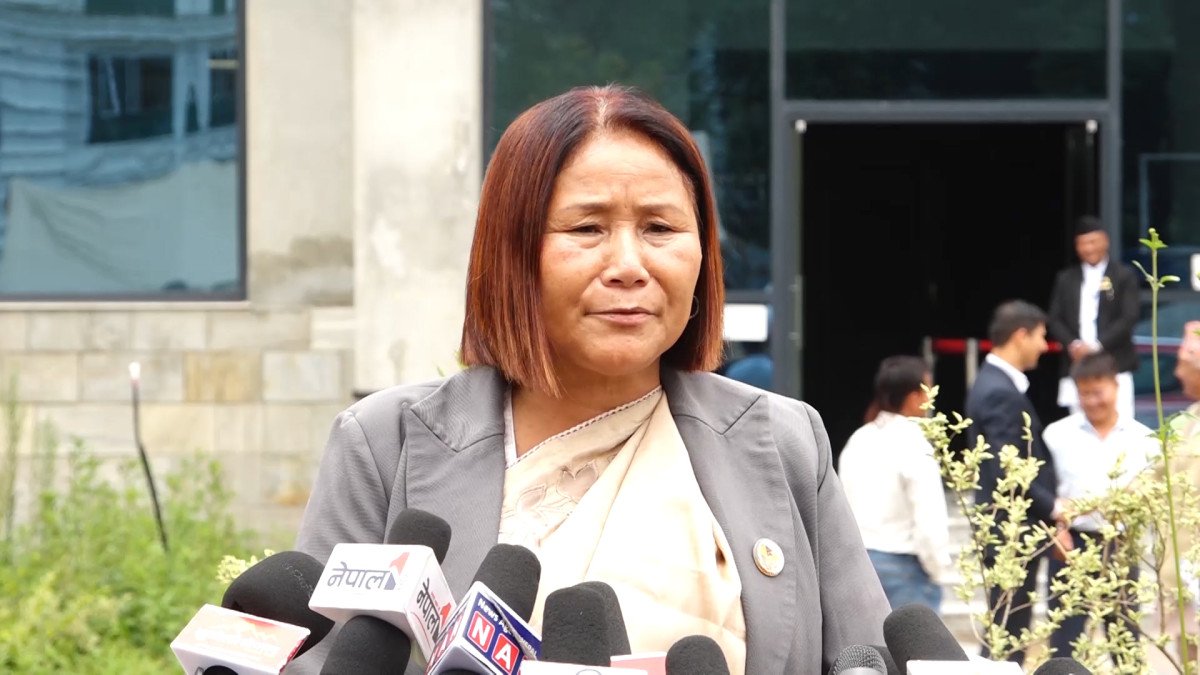
Nirmal Khatri, a member of the Nepali Congress Myagdi Election Publicity Committee, stated that this time efforts are being made to connect with voters through video messages, live broadcasts, and digital materials via social media. He mentioned that the secretariat of Congress candidate Karna Bahadur Bhandari has prioritized direct meetings and digital publicity.
CPN (UML) candidate Harikrishna Shrestha is also adopting a similar style, reaching voters' doorsteps. According to UML leader Prakash Poudel, UML is campaigning through videos, songs, TikTok, and podcasts to convey the development work done in the past and the candidate's commitments to the voters.
Similarly, the secretariat of independent candidate Mahabir Pun is active in digital campaigning through postcards, reels, and video materials. Pun's aide, Chitra Tilija, stated that direct meetings with voters and the full use of digital technology are being employed for election campaigning.
Likewise, the secretariat of the candidate from the Communist Party of Nepal, Arjun Thapa, has also prioritized digital campaigning. CPN leader Govinda Poudel informed that campaigning has been intensified by going live on Facebook with meetings, direct dialogue, and voter feedback.
Furthermore, candidates such as Dambar Subedi of the Rastriya Prajatantra Party, Chhem Bahadur Bishwakarma of the Rastriya Janamorcha, and Kshetra Bahadur Ghimire of CPN (Maoist Centre) are also campaigning through social media. There are a total of 12 candidates competing in the election here: one independent and candidates from 11 political parties.
Most candidates here have prioritized issues such as blacktopping the Kaligandaki Corridor, a national pride project, construction of other roads, promotion of drinking water, education, and agriculture sectors, accessible healthcare services, and employment.
Local intellectual Raju KC stated that the presence of new candidates, the presence of an independent candidate amidst party politics, and the changing campaign style have made this election more interesting.
As the election date approaches, the use of digital technology for campaigning is increasing, leading to a rise in cybersecurity challenges. Conflict has increased due to supporters of candidates posting abusive language and negative comments on campaign materials. The Office of the Chief Election Officer has stated that strict monitoring is being carried out to prevent the misuse of social media.
Myagdi, which has one constituency, six municipalities, and 45 wards, has 86,397 voters. For the election, 82 polling stations and 120 polling centers have been established in the district.
This specific news has been automatically translated by AI. As a result, there may be some inaccuracies or language errors.
_iL3K2wYemS.jpg)