Nepali Woman's Decade-Long Struggle Abroad Ends in Cancer Battle Upon Return Home

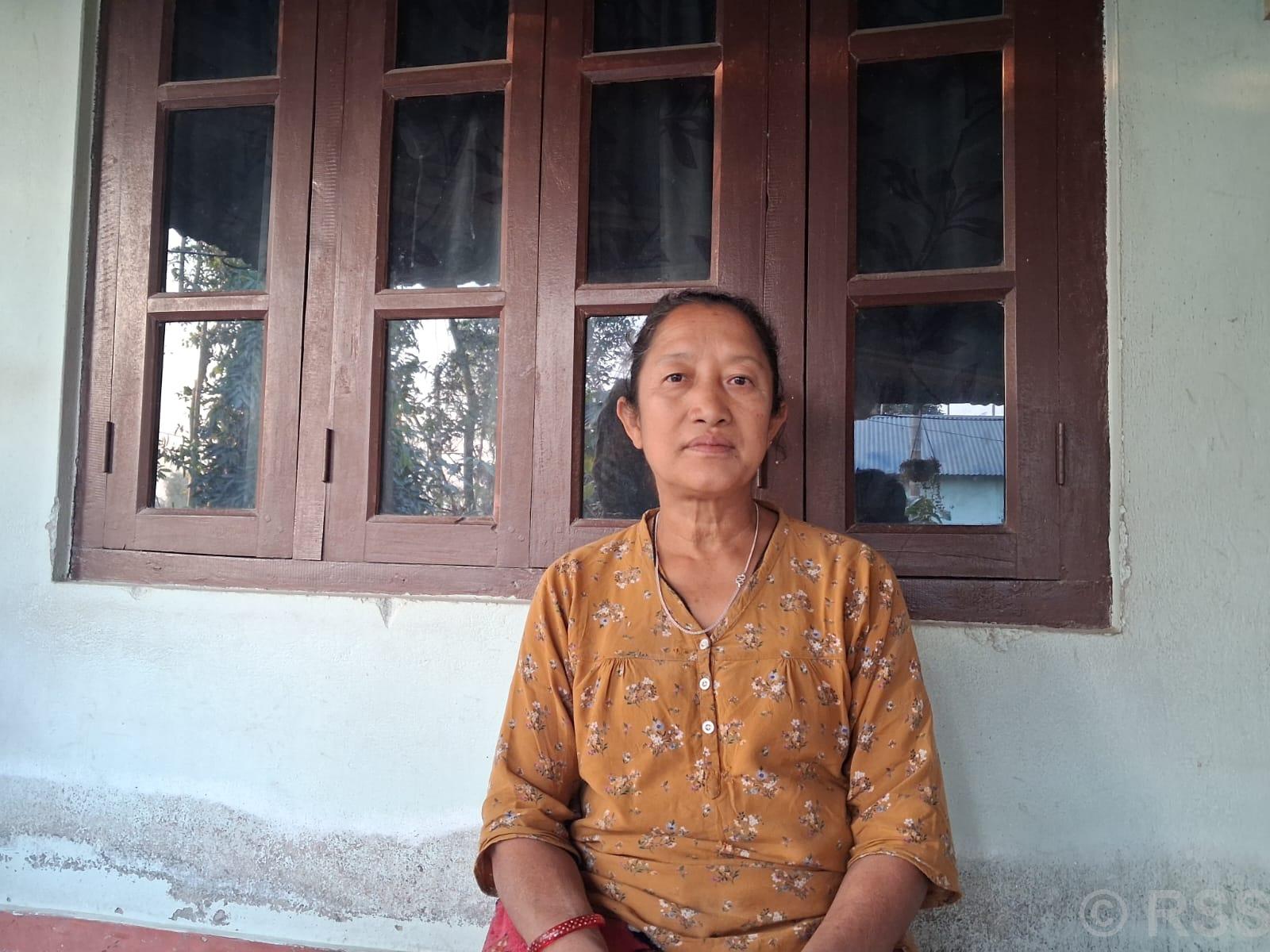
Jhapa. The decision to go abroad is not born of desire, but of compulsion. When debt, poverty, and the future of one's children press down simultaneously, no option remains but to leave one's own soil.
Sita Thapa Magar from Mechinagar Municipality-8 also went abroad on this journey of necessity. Her life journey, spanning from Kuwait to Lebanon and Saudi Arabia, has returned home as a document of struggle, pain, and battle with illness, rather than just an opportunity for foreign employment.
Sita was married at the young age of 16 in 2047 BS. Having started managing household responsibilities in her adolescence, Sita soon experienced motherhood, giving birth to a son and a daughter, and life was taking on new meaning. However, before she turned 25, her husband passed away. Losing her husband, Sita not only lost her life partner but also inherited the debt incurred during his treatment.
After her husband's death, the entire responsibility of the family fell upon Sita. She had to single-handedly support her young children, in-laws, and household expenses. Since earning enough through labor in Nepal seemed impossible to repay the debt and support the family, she made the difficult decision to go abroad. With the help of relatives, Sita reached Kuwait around 2062 BS on a visit visa via India. The trip to Kuwait cost about 20 thousand rupees, an amount she struggled to gather.
In Kuwait, Sita started working as a domestic worker. She received a monthly salary of about eight thousand Nepali rupees. But life abroad was not easy for her. She had to fight daily against continuous work from morning till night, lack of adequate rest, language barriers, and an unsafe working environment. Lacking a place to express her sorrow or a source of support, she became mentally weak. Sita recounts having to endure verbal abuse, humiliation, and mental stress when she did not find a good employer. Despite such difficult circumstances, she did not give up. During her four years in Kuwait, amidst the pain and struggle she endured, she succeeded in repaying the debt incurred for her husband's treatment.
After repaying the debt and returning to Nepal, Sita planned to stay in her homeland. She wished to stay with her family and focus on raising and educating her children. However, as the children grew older, the expenses for their education, upbringing, food, and daily life gradually increased. As the financial pressure to run daily life mounted, the family's responsibilities did not decrease but rather increased. When limited income sources in Nepal proved insufficient to meet all these responsibilities, Sita was forced to choose the path abroad again. This time, learning from her previous experiences, she decided to go for foreign employment through legal procedures via a manpower agency. Accordingly, in 2068 BS, Sita went to Lebanon, spending 60 thousand rupees through a manpower company.
In Lebanon, her job was to care for an elderly mother. The work was comparatively easier, and she received a salary of about 15 thousand Nepali rupees per month. She was somewhat satisfied with the stable income and ease of work. Her three years in Lebanon proceeded normally. But life dealt her another major blow. While working in Lebanon, news from Nepal changed Sita's life again. She received news that her adolescent son had passed away suddenly at home.
This news became the biggest shock of Sita's life. Losing a child is an indescribable pain for a mother. This tragic news heard while abroad caused her deep mental trauma. Before completing her three-year tenure in Lebanon, Sita left all her work and returned to Nepal. After returning home, she stayed in the country for some time. Her days were spent dealing with the pain of grief, the family's situation, and trying to manage the remaining responsibilities. While her heart remained heavy with the pain of her son's untimely death, the necessity to sustain life did not cease. In this process, financial scarcity reappeared in her life, creating a situation that pushed Sita towards another difficult decision.
Two years later, Sita again went to Saudi Arabia through a manpower agency. In Saudi Arabia, she worked as a cleaner in a hospital. The nature of the work was physically demanding, and she had to work continuously for long hours. She mentions that during five years of continuous work, while focusing on fulfilling family responsibilities, she could not pay adequate attention to her own health. During this time, she developed a throat problem.
Initially ignored as a minor issue, the problem worsened, and she received treatment in Saudi Arabia for four months, but the treatment did not yield the expected improvement. As her health condition became more complicated, she finally returned to Nepal. After arriving in Nepal, tests at Bharatpur Cancer Hospital in Chitwan confirmed that she had second-stage throat cancer, adding another major challenge to Sita's life.
The news of cancer brought another huge challenge into Sita's life. To date, more than 1.4 million rupees have been spent on her treatment. She still has to travel to Bharatpur for regular treatment and 'follow-up'. Amidst limited income and resources, she continued her treatment with small savings, loans, and help from relatives. Despite physical pain, mental stress, and financial pressure, she did not give up. After a long struggle, she succeeded in conquering the cancer. However, the huge expense incurred in treatment and the need for continuous healthcare mean her life is still not completely easy.
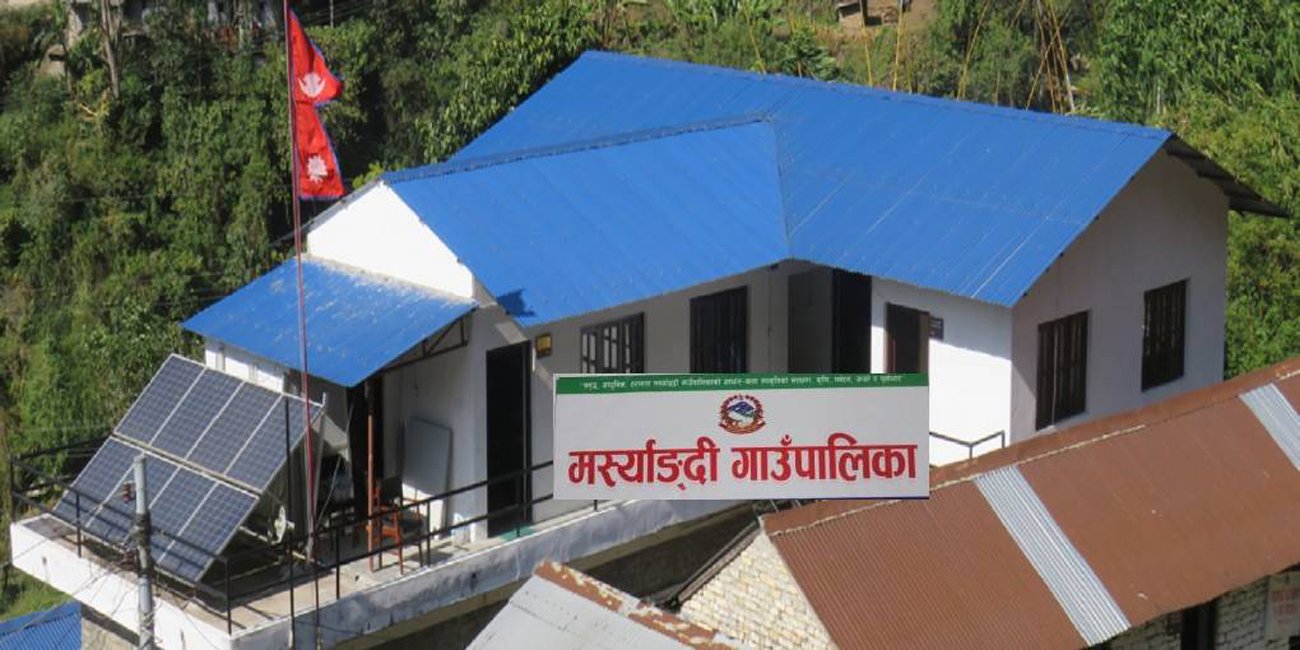
Only when participating in an orientation program organized by Mechinagar Municipality did Sita learn that she could receive serious illness treatment support from the Foreign Employment Board, but the deadline for her application had already passed. The question, "Why didn't anyone inform me in time?" still lingers in her mind. However, Sita managed to receive some amount for serious illness benefits from the Foreign Employment Term Insurance.
Currently, Sita Thapa Magar resides in a small house built on two katthas of land in Mechinagar-8. Her younger daughter is currently employed in the UAE. Her daughter's income currently supports her treatment and daily expenses. "Going abroad is not anyone's desire, it is a compulsion," says Sita, "but one must think carefully before going abroad, and give equal importance to one's health and safety." Sita Thapa Magar's story is not just the story of one woman's struggle. It is the shared reality of thousands of Nepali migrant workers. The compulsion to sweat abroad in youth, cherish dreams for the family, and return home in old age burdened with illness, pain, and financial hardship is being experienced by many Nepalis. The lack of information and access deepens their suffering.
Sita Thapa Magar's story is the reality beyond the glittering facade of foreign employment. Sita, who went abroad to repay debt, was forced to return sick herself. Her experience poses serious questions to the state, society, and stakeholders—how effective are timely information, health security, and treatment support for migrant workers? Sita's life sends a message—foreign employment is not just a solution, it is also a responsibility. The sweat earned abroad can only become meaningful if the state can guarantee the health, security, and future of the worker alongside their labor. Otherwise, stories like Sita Thapa Magar's will continue to repeat for generations as history born of compulsion.
This specific news has been automatically translated by AI. As a result, there may be some inaccuracies or language errors.