Analyzing Australia's Shocking T20 World Cup Exit: A Deep Dive into Selection Errors and Bowling Woes


Where to begin with Australia's collective failure? Even looking at the result in the scorecard and highlights from the match, which started at 12:30 AM and ended around 4:00 AM, the frustration of local supporters has not subsided.
Naturally, the blame will fall on the selectors. It is justified to question them for continuously giving chances to older players who have been in a long run drought while benching players like Steve Smith and Matt Renshaw.
However, the reality of Australia's dismal state in the T20 World Cup is much deeper than the selection or rejection of two players. There is no single individual who can be made a 'scapegoat' for this disaster.
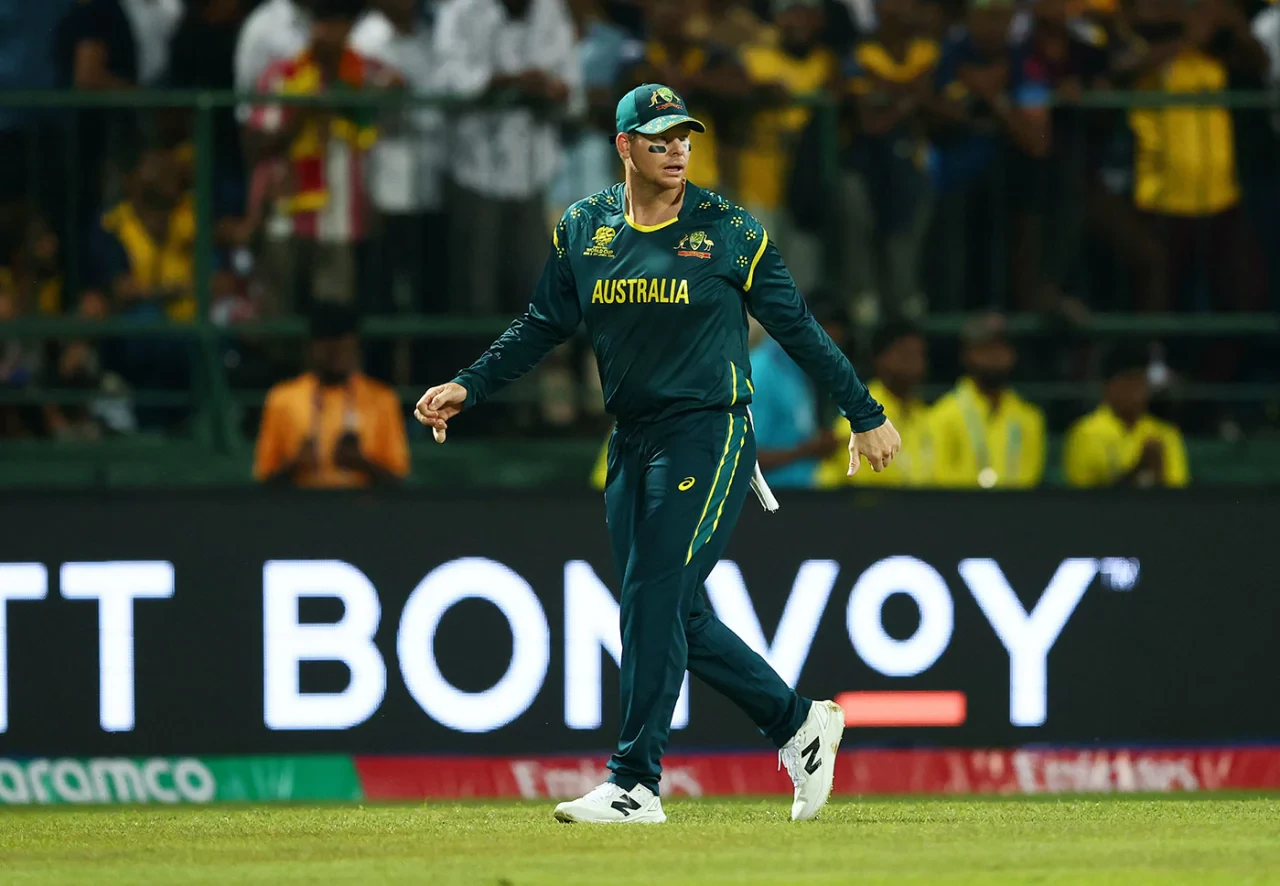
A Strong Start, A Shameful End
Australia was in a strong position against Sri Lanka, having scored 104 runs without losing a wicket in 8.3 overs. Mitchell Marsh and Travis Head were batting according to the plan that won them 10 matches in 2025.
But suddenly, the game turned. Although Josh Inglis and Glenn Maxwell took the team past 160, Australia was all out for 181, losing 6 wickets in the final 24 balls.
Sri Lanka, in reply, won the match with 8 wickets and 2 overs remaining when they needed 77 runs from 46 balls. The 80-run partnership between Nissanka and Ratnayake rendered Australia's bowling attack helpless.
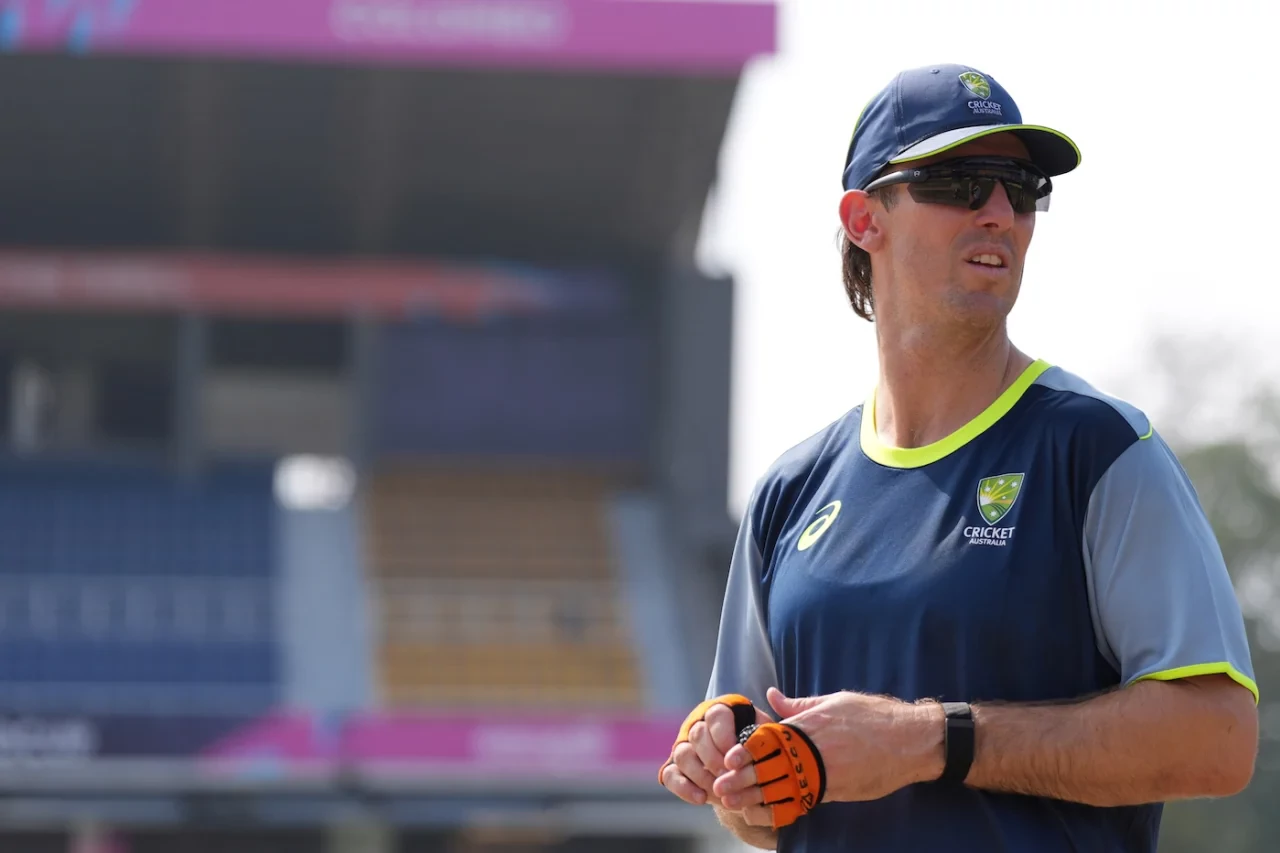
Failure of the Bowlers
Similar to the loss against Zimbabwe, Australian bowlers managed to take only two wickets in this match as well. Key bowlers like Nathan Ellis and Adam Zampa went wicketless in consecutive T20 matches for the first time in two and a half years. The team severely felt the absence of the injured Josh Hazlewood and Pat Cummins.
Australia failed to reach the 'Super Eight' for the first time since 2009.
- Where did it go wrong?
The seeds of this failure were sown back in November. Although the team looked in good rhythm then, there were questions about whether this method would work in the subcontinent's conditions. However, more than Sri Lanka's spin, the failure of the top-order batters against the pace bowling and 'bounce' in the match against Zimbabwe, coupled with the inability of the bowlers to take wickets, drowned Australia.
- Hazlewood's Injury and Bowling Depth
Josh Hazlewood's hamstring injury on November 12 became an 'unfortunate turn' for Australia's campaign. Australia has lost 7 out of 8 matches in his absence. The replacement bowlers (Ellis, Dwarshuis, Bartlett, Abbott) proved expensive and failed to take wickets. This exposed the weakness in Australia's 'white ball' bowling depth.
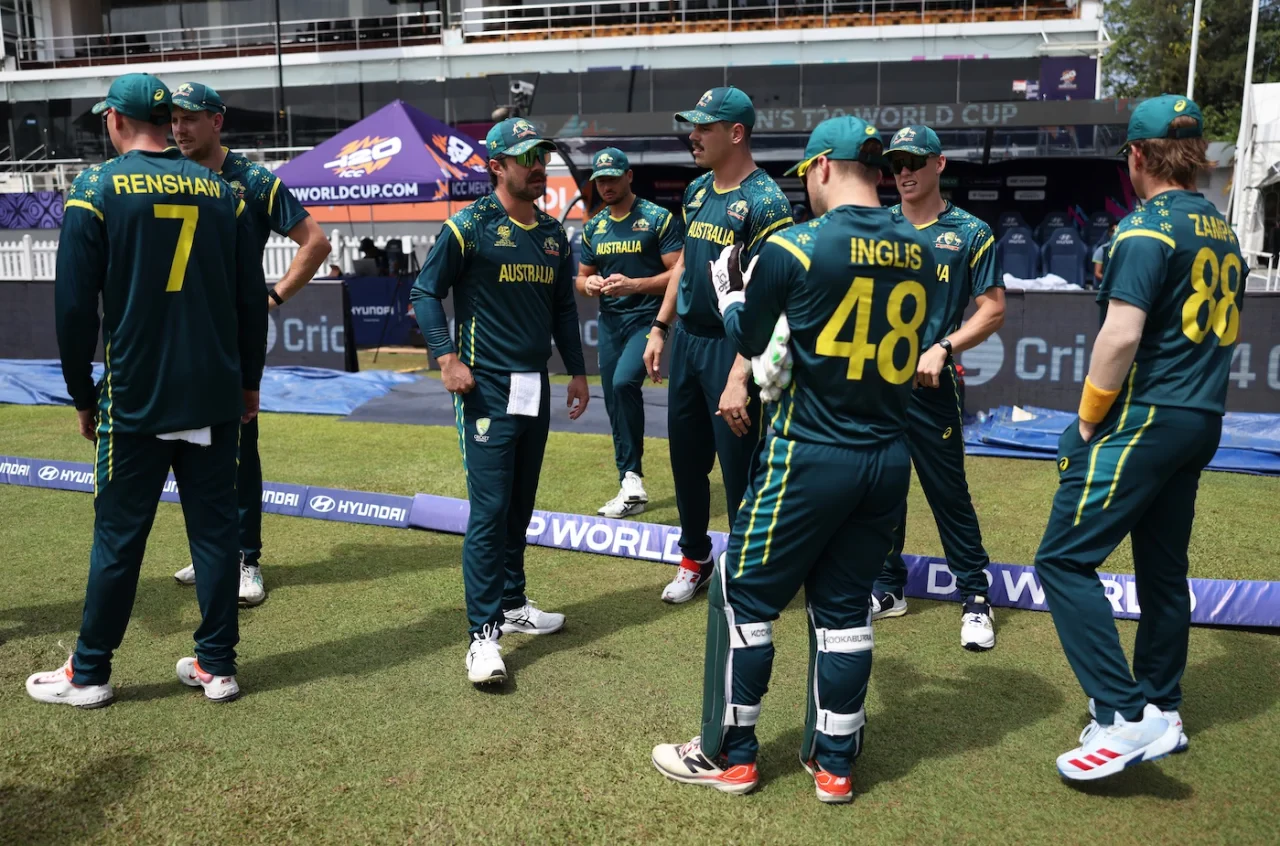
- Form Issues in Batting
Calling up Steve Smith at the last minute and keeping the in-form Renshaw out was a serious mistake by the selectors. Travis Head's performance in the 'Ashes' series masked his poor T20 form.
Inglis, Green, and Maxwell have failed to score any half-centuries since the Ashes. The performance of Tim David and Cooper Connolly was also disappointing.
- Priority: T20 or Big Bash?
Prioritizing the Big Bash League final and not sending the full squad for the practice match in Pakistan appeared to be a foolish decision. This raises questions about how much priority T20 cricket is given in Australian cricket.
Although there might not be a major upheaval immediately after exiting the group stage, Australia will have to find answers to these serious questions before the next T20 World Cup on home soil in 2028. While other teams in the world prioritized this tournament, why did Australia fall behind? It is time to reflect.
This specific news has been automatically translated by AI. As a result, there may be some inaccuracies or language errors.


_YDrQKoMDSE.jpg)