Former Election Commissioner Criticizes Nepal's Electoral Transparency, Citing 'Window Spending' Challenges

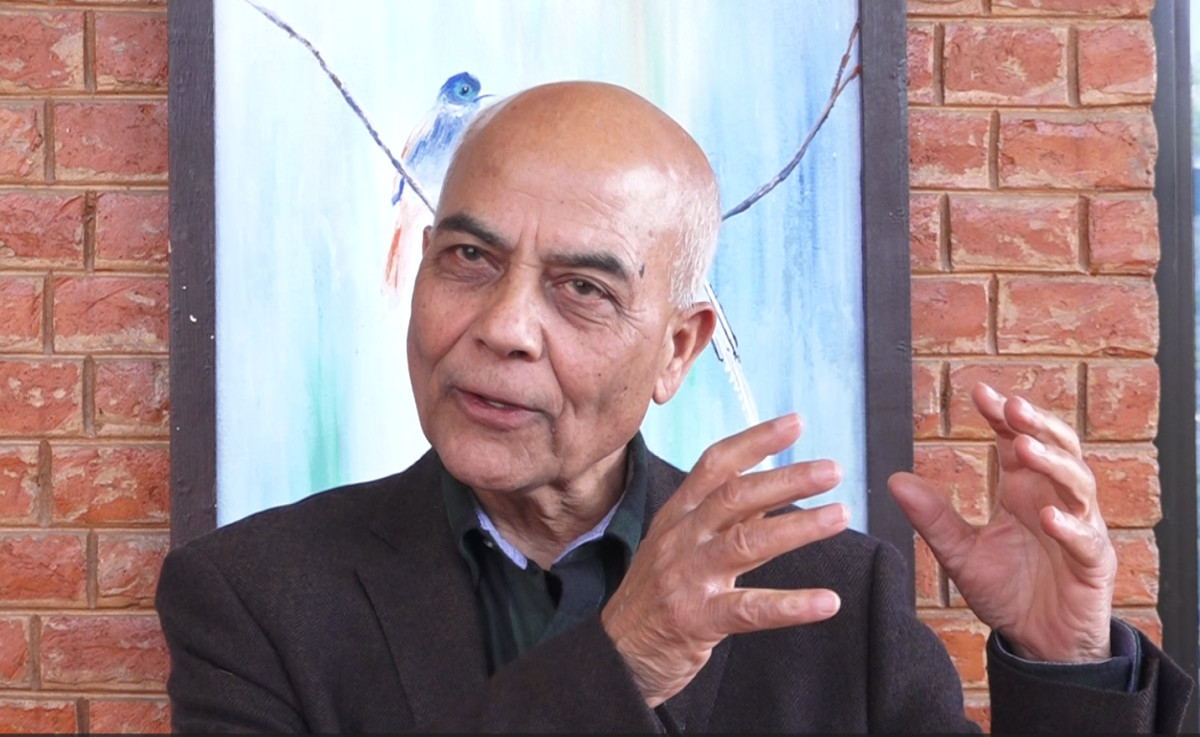
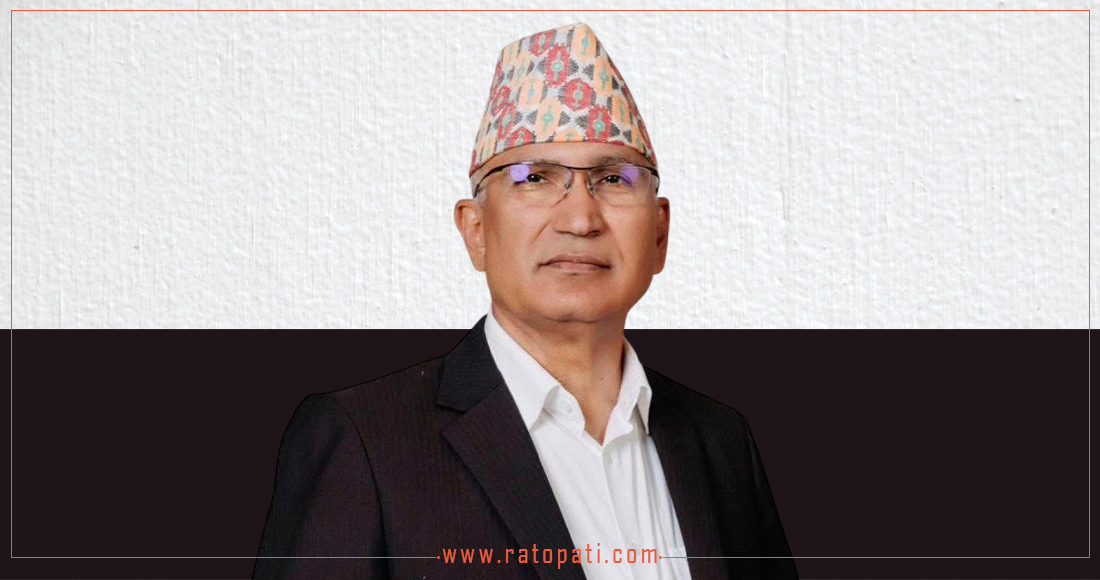
Kathmandu. Former Chief Election Commissioner Bhojraj Pokharel has commented that the efforts made to maintain transparency in Nepal's electoral system are insufficient. Analyzing the current electoral system, rising expenditures, and the need for reforms, he stated that the increase in spending occurring 'through the window rather than the door' is challenging the system itself.
Emphasizing that the code of conduct must be strictly enforced to make elections clean, he noted that opaque transactions resulting from secret collusion between two individuals, parties, and candidates have become a major challenge to national capacity. Pokharel argues that although the Election Commission introduced provisions for asset declarations, self-declarations, and expenditure through bank accounts for financial transparency, the use of pocket money and black money has led to irregularities.
He stated that the trend where whoever spends the most wins the election and gains power has made competition unequal. While a Member of Parliament's salary for 5 years is around 6 million, and the Election Commission's spending limit is set at 3.3 million, candidates are realistically spending many times more than this. To reform this, he suggested moving towards a state-funded election model practiced by more than 130 countries worldwide.
Pokharel's analysis suggests that irregularities have increased due to the trend of making politics a 'profession' rather than a 'service' in Nepal. Although there have been disagreements among parties regarding the electoral system since 2064 BS, a consensus was eventually reached on a mixed system.
However, he pointed out that this system has also brought about distortions, and the soaring expenditure in direct elections has put them beyond the reach of ordinary people. He urged that a serious debate must be held in the upcoming parliament on whether to reform the shortcomings of this system or seek a new alternative.
Recently, social media and Artificial Intelligence (AI) have added new challenges to the fairness of elections. While violence and traditional media were major challenges in the past, he noted that the risk of misleading voters through the misuse of technology has increased today.
He warned that if the state does not enhance its capacity, there is a danger that election results will be determined by media illusions and misinformation rather than by the voters. Furthermore, he highlighted the necessity of increasing female candidacies in direct elections to raise women's representation from 33 to 50 percent, requiring a mandatory provision in the law for this purpose.
This specific news has been automatically translated by AI. As a result, there may be some inaccuracies or language errors.