FIFA World Cup Generates Billions, But Not All Benefit Equally
Kathmandu. This time's FIFA World Cup has become the biggest football competition ever. The participation of many countries and the large number of matches also mean more attraction, audience, and opportunities for income.
While superstars of world football are creating historic moments on the field, billions of dollars are being transacted from the competition. However, not everyone has benefited equally in financial terms.
FIFA – The Biggest Winner
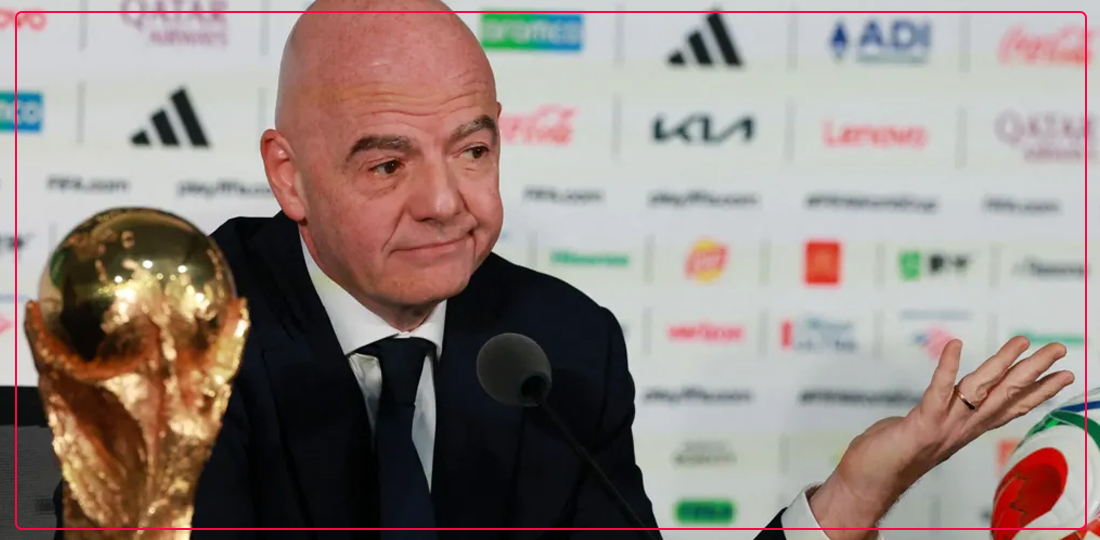
FIFA, the highest body of world football, earns an astonishing amount from the World Cup. FIFA earned a record 7.6 billion US dollars (approximately 5.6 billion pounds) from the 2022 World Cup held in Qatar. With the expanded format of 48 teams in the 2026 World Cup hosted by the USA, Canada, and Mexico, that record is expected to be surpassed even further.
According to Marion Laboure, a senior strategist at Deutsche Bank Research, FIFA's total revenue will reach around 13 billion dollars in a four-year cycle, and 'the main winner is undoubtedly FIFA.'
FIFA's main sources of income are broadcasting rights, licensing, hospitality services, sponsorship deals, and ticket sales. Laboure says, 'FIFA also operated an official ticket resale market, where a 15 percent fee was charged from both buyers and sellers.'
There are signs that this trend will increase in future competitions. FIFA is even considering the possibility of expanding the World Cup to up to 64 teams in the future, which could include teams from giant markets like China and India. This is expected to add more audience and revenue.
Fans – At a Loss
Although the dream of watching the World Cup live has come true, the competition has proven to be very expensive for fans financially.
FIFA's dynamic pricing policy, which increased prices due to excessive ticket prices and demand, was widely criticized.
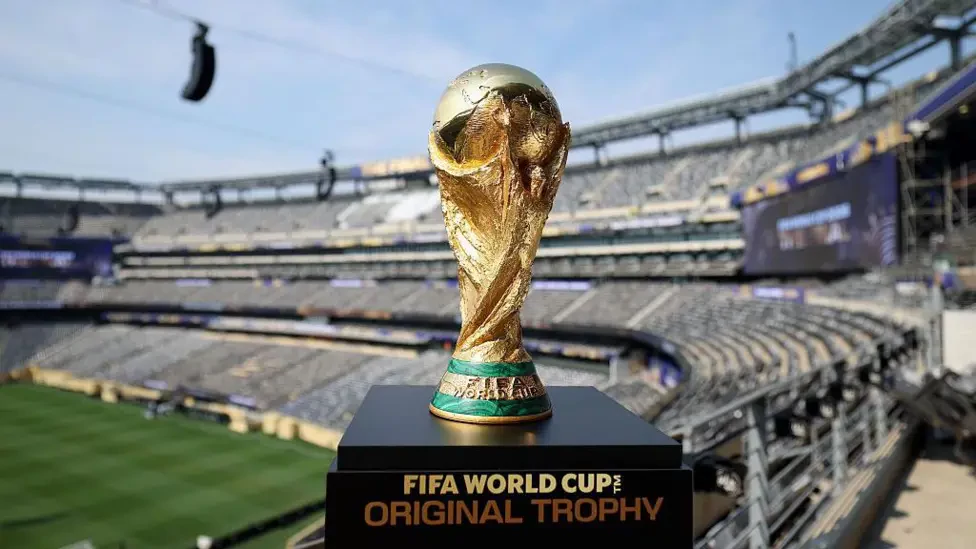
Even US President Donald Trump, when asked about the possibility of tickets for the opening match between the US and Paraguay reaching $1,000, said, 'I wouldn't pay that much.' The official ticket price for the final match at MetLife Stadium in New Jersey was $32,970, while some tickets were listed for over $2 million on the resale market.
FIFA President Gianni Infantino defended it, claiming that ticket prices were not unusual compared to other sports competitions in the US. Not just tickets, but air travel, hotels, and food expenses also burdened the fans.
A famous example of this was the New Jersey Transit rail service. The fare for the approximately 30-minute train journey to MetLife Stadium, which normally costs $12.90, was increased to $150 during the competition. Although the price was reduced after widespread protests, it remained more expensive than usual.
Broadcasters and Sponsors – Winners
Although broadcasters spent a large sum to buy the broadcasting rights for the competition, they are also expected to earn significant income from the huge viewership and advertising.
FIFA introduced hydration breaks in this World Cup. Infantino stated that it was purely a 'football-related decision' and that FIFA did not earn any additional income from it.
However, this 90-second interval, allowing players to drink water, created new business opportunities for broadcasters and sponsors. Especially in the US, where advertising between games is a tradition, it was used effectively.
Fox Sports, which paid approximately $485 million for broadcasting rights in the US, presented the hydration break as a sponsored event by a brand.
According to experts, the price of a 30-second advertisement on Fox during the World Cup ranged from $200,000 to $300,000, and for games involving the US team, it reached up to $750,000.
Based on this, it is estimated that up to $250 million could be earned from hydration break advertisements in the US alone. Laboure says, 'The hydration break is actually extra time for advertising. It is very unlikely to be removed. The expanded World Cup has also become FIFA's new business model.'
In the UK, however, BBC and ITV viewers were spared such advertisements, as the BBC does not have advertisements and ITV has regulatory limits.
Official World Cup sponsors are expected to gain good business benefits despite spending huge amounts to associate their brands with the competition. Brands like Adidas and Coca-Cola were prominently visible throughout the competition.
Adidas reportedly spent around £50 million on its 'Backyard Legend' advertisement featuring Lamine Yamal, Jude Bellingham, and Lionel Messi in competition with its rival Nike.
However, some unauthorized brands also benefited. For example, Levi's logo outside Levi's Stadium in San Francisco gained more attention after it was covered up.
David Beckham – Winner
Adidas's main advertisement also included an artificial intelligence (AI) generated version of Sir David Beckham. In reality, he might not have been able to make time to participate in the advertisement shoot personally.
Beckham, who became Britain's first billionaire athlete, now appears in countless advertisements from Home Depot to Bank of America. With so many brands associated with him, one might forget which company he actually represents.
Although he retired from football over a decade ago, Beckham remains one of the most influential faces of football in the United States. The club he co-owns, Inter Miami, is now estimated to be worth $1.45 billion, making it the most valuable club in Major League Soccer (MLS).
He may not have won the World Cup as a player, but commercially, he has become one of the biggest success stories from the World Cup.
Host Cities – No Benefit as Expected
The 16 host cities in the USA, Canada, and Mexico welcomed millions of fans and tourists during the World Cup. This temporarily boosted business in hotels, restaurants, and local establishments.
For example, Scottish fans livened up the city of Boston and won the hearts of the locals. However, according to experts, the long-term economic benefits from such competitions are very limited.
FIFA had estimated that the World Cup would contribute $41 billion to the global economy, of which $17 billion would be added to the US economy, creating approximately 185,000 jobs. Most of these jobs were said to be concentrated in the hospitality and hotel sectors.
However, according to Alexander Budzier, a management expert at Oxford University and CEO of Oxford Global Projects, the claim of long-term economic prosperity from such major sporting events is not confirmed in practice.
He suggests that many tourists avoid traveling during the competition to avoid the crowds, leading to even fewer tourists than usual in the host cities.
'Jobs are created, but wealth is not created,' he says. According to him, most new jobs are limited to the low-paying hotel and restaurant sectors.
Official US statistics also showed an increase in hiring in the hotel and restaurant sector in May before the competition, but this increase did not last long.
According to Budzier, the real economic benefit of such competitions comes only from infrastructure development. For example, he cites the redevelopment and new housing construction in the Stratford area after the London Olympics in 2012 as a successful example.
However, he states that with most games in this World Cup using pre-existing stadiums, hotels, training centers, and transportation infrastructure, there is little possibility of significant economic benefit from new development projects.
Hotel Industry – Weaker Business Than Expected
Although it was anticipated that the World Cup would put immense pressure on hotels, the reality was different. According to industry organizations, hotel bookings in host cities were lower this year compared to last year.
According to the British Columbia Hotel Association, bookings in June and July in Vancouver, Canada, were weaker compared to previous years, despite hosting seven games.
The association stated that competitions like the World Cup do not create a situation where all hotels are full for 40 consecutive days, but rather there is high demand only on certain game days.
US hotel owners were also disappointed by the high business expectations before the competition. The American Hotel & Lodging Association (AHLA) accused FIFA of creating an artificial shortage by pre-booking an excessive number of hotel rooms for its own purposes. FIFA denied such allegations.
According to Marion Laboure of Deutsche Bank Research, a similar situation was observed in the 1998 France World Cup, where expected demand was not met.
According to her, by April, 80 percent of hotel operators in the US reported that bookings were lower than initial estimates. Two-thirds of hotel operators in New York and about 80 percent of hotel owners in Seattle also reported weaker than expected business. Some even called the World Cup 'a competition that did not have much impact commercially.'
Betting Companies – Biggest Earnings
The 2026 World Cup is estimated to become the biggest sports betting competition in history.
According to financial services company Macquarie, approximately $50 billion US dollars will be wagered throughout the World Cup. On average, it is estimated that $500 million will be bet on each game.
The main reason for this is the increase in the number of teams and matches in the competition. While there were 64 games in 2022, more than 100 games will be held this time.
Flutter Entertainment (a betting company) projects that the total amount wagered in this World Cup will double compared to the previous World Cup, due to the rapid expansion of sports betting in the US and the growth of markets like Brazil.
According to Macquarie analyst Chad Benne, the trend of betting only before the game starts is declining. Currently, most people are adopting the practice of changing their bets instantly based on the on-field situation while the game is in progress.
Until 2018, sports betting was not legally permitted anywhere except in the US state of Nevada. However, following a decision by the US Supreme Court, many states have legalized it. Nevertheless, sports betting remains illegal in some states like California and Texas. Therefore, the use of 'prediction markets,' which are becoming popular among young people, has increased rapidly. Since they are not legally classified as gambling, they allow people to bet on game outcomes from any state.
This specific news has been automatically translated by AI. As a result, there may be some inaccuracies or language errors.
_6m81ulcfI8.webp)
_YDrQKoMDSE.jpg)