Where Are the Founding Leaders of Nepal's Maoist Insurgency Now, 30 Years On?

Kathmandu. The core leadership of the CPN (Maoist), which launched an armed rebellion against the state power in 2052 BS (1996 AD) raising issues of nationalism, democracy, and people's livelihood, is currently scattered. Among the leaders who were in the Central Committee when the People's War began, some are still active in politics while others have become inactive.
Three decades after the start of the Maoist People's War, only four leaders from the original Central Committee—Agni Sapkota, Pampha Bhusal, Dev Gurung, and Matrika Yadav—have remained with the main leader Pushpa Kamal Dahal 'Prachanda'.
When the armed rebellion began with 40-point demands presented to the government, the Maoist Central Committee had 19 members. Prachanda was the General Secretary of the party at that time. The six members of the Politburo included Prachanda, Mohan Baidya 'Kiran', Dr. Baburam Bhattarai 'Laldhwaj', Ram Bahadur Thapa 'Badal', Posta Bahadur Bogati 'Diwakar', and CP Gajurel 'Gaurav'.
Central Committee members included Haribol Gajurel 'Shitalkumar', Yan Prasad Gautam 'Alok', Top Bahadur Rayamajhi 'Anil', Dev Prasad Gurung 'Kanchabahadur', Pampha Bhusal 'Bidyut', Dandapani Neupane 'Dipendra', and Agni Sapkota 'Kanchan'. Others were Phanindra Acharya 'Anal', Lokendra Bista 'Abhyas', Haribhakta Kandel 'Pratik', Matrika Yadav 'Ramsingh', Dinesh Sharma 'Sagar', and Narayan Sharma 'Kamalprasad'.
The 10-year-long People's War concluded on Mangsir 7, 2062 BS (November 23, 2005 AD) following the 12-point agreement between the then seven parliamentary parties and the then rebel Maoists. Based on that agreement, the People's Movement of 2062/063 (2006 AD) overthrew the traditional monarchy, leading to the establishment of the Federal Democratic Republic in 2065 BS (2008 AD).
In the 20 years since the establishment of the Republic, the Maoist Centre (currently the Communist Party of Nepal) has consistently remained around the center of power. However, due to its failure to address the issues it originally raised, the Maoist movement is currently in a weakened state.
Due to power struggles and conflicts over authority, the Maoist party has split into nearly two dozen factions. The cycle of splits and mergers continues even 20 years after entering the peace process.
For a restoration of power through the elections scheduled for Falgun 21 (March 6), Prachanda formed the Communist Party of Nepal on Kartik 19 (November 5) by uniting 26 components, including the CPN (Unified Socialist), Nagarik Unmukti Party, and Nepal Socialist Party. This party has been participating continuously in the Constituent Assembly, Federal Parliament, Provincial Assembly, and local level elections since 2064 BS (2007 AD). Under the guise of party reorganization, Prachanda, who abandoned the election symbol, has plunged into the elections for a test of strength. Accused of engaging in power-centric politics by aligning with the Congress or the UML at different times, Prachanda is contesting the elections without an alliance after 12 years.
The Biplav-led CPN (Maoist), which had been boycotting every election since 2070 BS (2013 AD), is also participating in the elections this time. Some former Maoist components, including the Jan Janata Party led by Prabhu Sah and the Pragatisheel Loktantrik Party patronized by Baburam, are also participating in the elections.
Factions such as the Revolutionary Communist Party led by CP Gajurel, CPN (Bahumat) led by Dharmendra Bastola, and the Scientific Socialist Communist Party led by Bishwabhakta Dulal 'Ahuti' have boycotted the elections.
The Revolutionary Communist Party is currently stagnant. A separate party was formed in Ashar 2069 BS (June/July 2012 AD) under Kiran's leadership, taking nearly half of the Maoist faction. The Revolutionary Communist Party, which has boycotted all elections, now emphasizes abolishing the current system and establishing a People's Republic.
Netra Bikram Chand 'Biplav', who joined Kiran's party accusing Prachanda of betraying the dreams of the People's War and its brave fighters after Kiran resigned following the Janajeevan rebellion, later reorganized the Communist Party of Nepal under his own leadership. After engaging in an integrated revolution against the state, he is participating in parliamentary elections after 12 years.
As leaders and cadres of the CPN (Maoist) from the war era leave, the Biplav-led party appears like a soldier without a commander.
Meanwhile, Dr. Baburam Bhattarai, who formed the Alternative New Power in 2073 BS (2016 AD) after leaving the Maoists, has formed the Pragatisheel Loktantrik Party after moving through various parties. He resigned from the chairmanship of the former Naya Shakti Party in the first week of Ashoj (September/October).
Bhattarai, who contested from Gorkha-2 in the election scheduled for Falgun 21, withdrew his candidacy after the electoral results appeared unfavorable. Leaders including Ram Bahadur Thapa 'Badal', Top Bahadur Rayamajhi, Lekhraj Bhatt, and Mani Thapa joined the CPN UML. Rayamajhi is currently in jail in connection with the Bhutanese Refugee case. Mani Thapa, who left the UML, is inactive.
Gopal Kirati, who left the Maoists in 2074 BS (2017 AD), has rejoined the CPN. Leaders like Dharmendra Bastola and Ahuti are leading small parties. Lokendra Bista has retired from politics and is running an agricultural farm.
Hundreds of Maoist fighters who fought in the direct war have gone to the Gulf countries for their livelihood. It is alleged that thousands of injured and disabled fighters from the war are still forced to live carrying bullets and shrapnel in their bodies.
Despite the Maoists participating in the government multiple times, the leadership faces accusations of failing to properly manage the families of martyrs, the disappeared, the injured, and the disabled.
Where are the 19 Central Committee members from the war era?
Pushpa Kamal Dahal 'Prachanda'
Prachanda, who was also the Supreme Commander of the People's War, has served as Prime Minister three times: in 2064 BS (2007 AD), 2073 BS (2016 AD), and 2079 BS (2022 AD). Born on Mangsir 26, 2011 BS (December 11, 1954 AD) in Kaski, Prachanda has formed the Communist Party of Nepal after abandoning 'Maoism', the ideology he embraced for 30 years.
In 2045 BS (1988 AD), he was the General Secretary of the then CPN (Unity Centre). In 2047 BS (1990 AD), he formed the CPN (Unity Centre) by uniting various leftist components. In Ashar 2051 BS (June/July 1994 AD), the first national conference held in Chitwan changed the party's name from Unity-Centre to CPN (Maoist). Prachanda was the General Secretary then. After the second national conference in 2057 BS (2000 AD), Prachanda became the party Chairman.

Mohan Baidya 'Kiran'
Kiran, who was a member of the Constituent Assembly for a short period after the 2064 BS (2007 AD) general election, has not held any political office since then. He was the General Secretary before Prachanda and resigned from his post after the failure of the Sector Scandal in 2045 BS (1988 AD). He is known as a philosophical leader and aesthetic thinker of the leftist movement.
Born on Shrawan 15, 2003 BS (July 30, 1946 AD) in Khairagaun, Pyuthan, Baidya was second in the party hierarchy when the People's War began. He provided ideological leadership throughout the People's War and later rebelled in Ashar 2069 BS (June/July 2012 AD) to form CPN (Maoist). After the party split in 2071 BS (2014 AD), he reorganized the Revolutionary Communist Party and has not yet abandoned the remnants of the war-era mentality of capturing state power through armed force.
Kiran, elected General Secretary at the general convention last year in Mangsir (November/December), resigned citing ill health after the Janajeevan rebellion. Suffering from pneumonia, Kiran is currently resting at home.
Dr. Baburam Bhattarai 'Laldhwaj',
Born on Ashar 4, 2011 BS (June 18, 1954 AD) in Khoplang, Gorkha, Bhattarai was third in the Maoist hierarchy during the war. Known as an intellectual leader in Nepali politics, he became Prime Minister in 2068 BS (2011 AD). After the promulgation of the new constitution in 2072 BS (2015 AD), he left the Maoists and formed the Naya Shakti Party.
After failing in the 2074 BS (2017 AD) elections, Bhattarai merged his party with Upendra Yadav's Federal Socialist Party, and after moving through Jaspa Nepal and Nesp, he is now the patron of the Pragatisheel Loktantrik Party. Bhattarai was elected from Gorkha-2 in the 2064, 2070, and 2074 BS elections. He gave up his constituency for Prachanda in the 2079 BS election and later withdrew his candidacy this time after filing nominations.
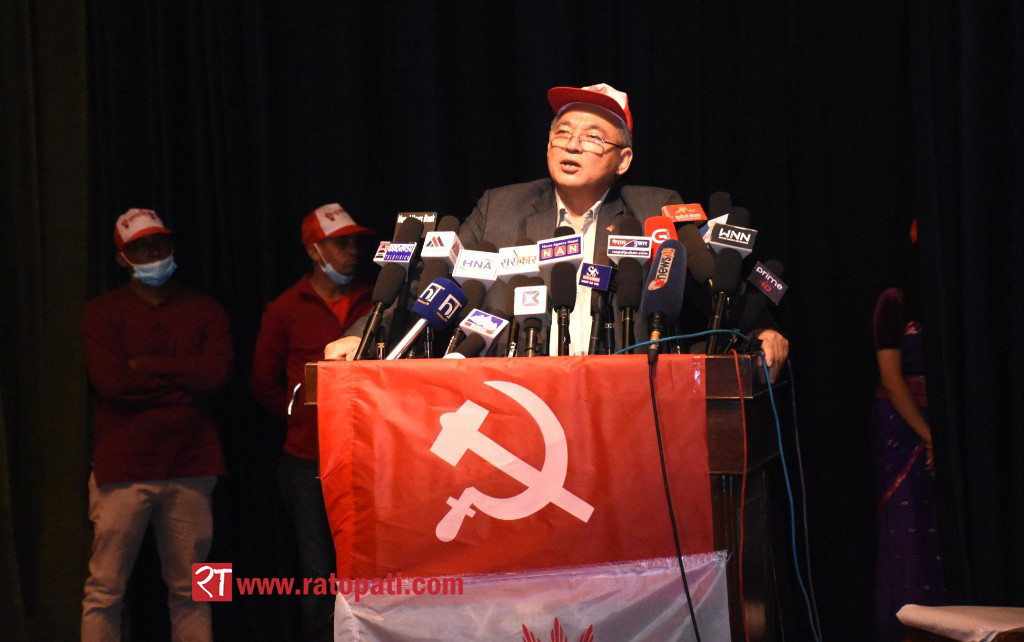
Ram Bahadur Thapa 'Badal'
Badal, who was fourth in the People's War hierarchy, was a military strategist. He was born on Baisakh 19, 2012 BS (May 2, 1955 AD) in Sundar Gaun, Gulmi. After the peace process, he served as the Defense Minister. In 2069 BS (2012 AD), he rebelled against the party and joined Baidya's Maoists, returning to the mainstream in 2073 BS (2016 AD).
Badal was a Secretariat member of the CPN formed by the merger of UML and Maoists. He served as Defense Minister in Prachanda's government in 2065 BS (2008 AD) and as Home Minister in Oli's government in 2074 BS (2017 AD). After the dissolution of the CPN, he remained with the UML. He was elected Vice-Chairman at the 11th General Convention of the UML.
Posta Bahadur Bogati 'Diwakar'
Posta Bahadur Bogati donated all his property in Nuwakot to a local school before joining the war. Born on Shrawan 3, 2010 BS (July 18, 1953 AD) in Tupche, he was considered a modest and simple leader within the Maoists. After the peace process, he held the responsibilities of Energy Minister and Education Minister. He passed away due to a heart attack on Bhadra 31, 2071 BS (September 17, 2014 AD).

CP Gajurel 'Gaurav'
CP Gajurel is considered an ideological leader. He also has expertise in diplomatic affairs and international relations.
Born on Baisakh 17, 2005 BS (April 30, 1948 AD) in Sindhuli, Gajurel led the Foreign Department throughout the People's War. Although there was talk of him becoming the Foreign Minister after the peace process, it did not materialize due to internal party conflicts. After the Maoist split, he joined the party led by Kiran. He is currently the General Secretary of the Revolutionary Communist Party.
Dev Prasad Gurung 'Kanchabahadur'
Considered a studious and ideological leader within the party, Gurung is currently a leader of the CPN. He joined Kiran's party in 2069 BS (2012 AD) and returned to the mainstream in 2073 BS (2016 AD). As the General Secretary from the eighth general convention of the Maoists, he worked with Prachanda during the war to collect weapons.
Born in Manang in 2010 BS (1953/1954 AD), Gurung was a Central Committee member of the Maoists when the People's War began. After the peace process, he served as the Law Minister.

Top Bahadur Rayamajhi 'Anil'
Top Bahadur Rayamajhi, who worked closely with Baburam Bhattarai while in the Maoists, is considered a leader with a rebellious nature. Although Bhattarai left the Maoists in 2073 BS (2016 AD), Rayamajhi remained in the mainstream.
He successfully became a minister multiple times after the peace process. After the dissolution of the CPN, he joined the UML. Elected Secretary from the 10th General Convention of the UML, he won the House of Representatives election in 2079 BS (2022 AD). Born on Kartik 25, 2018 BS (November 10, 1961 AD) in Arghakhanchi, Rayamajhi is currently in jail awaiting trial in connection with the Bhutanese Refugee case.
Agni Sapkota 'Kanchan'
Born on Shrawan 14, 2011 BS (July 29, 1954 AD) in Sindhupalchowk, Sapkota is a former Speaker. Entering politics from a teaching background, he served as a minister multiple times after coming to the peace process. Elected Vice-Chairman at the eighth general convention of the Maoists, he is currently a leader of the CPN.
Haribol Gajurel 'Shitalkumar'
Former Agriculture Minister Gajurel was recently expelled from the Prachanda-led CPN after facing party action. He was expelled from the party for supporting an independent candidate, Maheshwar Dahal, from Sindhuli-2 in the upcoming House of Representatives election.
Gajurel, who was Prachanda's chief political advisor when he last served as Prime Minister, resigned, alleging that the government was not working effectively for good governance and social justice. Born on Baisakh 6, 2012 BS (April 18, 1955 AD) in Sindhuli, he was a Central Committee member when the People's War began.
In 2047 BS (1990 AD), he rebelled against Mohan Bikram and joined the Maoists. After the peace process, he served as Agriculture Minister. Gajurel, who was the Deputy General Secretary of the former Maoists, was a leader of the CPN for a few months.
_cmqaytMjqM.jpg)
Pampha Bhusal 'Bidyut'
Born in Arghakhanchi in Shrawan 2019 BS (July/August 1962 AD), Pampha Bhusal was the only female Central Committee member in the Maoists when the People's War started. When the Maoist Centre elected 22 office bearers at its eighth general convention, Bhusal was the only female office bearer.
Bhusal, considered a capable leader of the People's War, served as a minister multiple times after the peace process. She was defeated in Lalitpur-3 in the previous election. She is currently a Central Committee member of the CPN.
Matrika Yadav 'Ramsingh'
Yadav, known for his rebellious nature, was born in Saptari in 2016 BS (1959/1960 AD). During the war, he was the only Central Committee member from the Madhesi community. After the death of Ram Briksha Yadav in 2051 BS (1994 AD), he was active in expanding the Maoist organization in the Madhes region.
He gained notoriety in 2064 BS (2007 AD) when, as Forest Minister, he locked a Local Development Officer in the ministry. After the peace process, he separated from the party for some time but later returned to the Maoist Centre.
Haribhakta Kandel 'Pratik'
Haribhakta Kandel, who was active in expanding international relations from abroad during the People's War, joined Kiran's party in 2069 BS (2012 AD). He has not held any political office in leftist politics so far. Born on Shrawan 14, 2011 BS (July 29, 1954 AD), Kandel is currently in the Revolutionary Communist Party.
Narayan Sharma 'Kamalprasad'
Born on Poush 4, 2014 BS (December 19, 1957 AD) in Dang, Sharma was a Central Committee member of the Maoists at that time. He became a member of the Constituent Assembly in 2064 BS (2007 AD) and later rebelled from the Unified CPN (Maoist) to join Kiran's party. He returned to the Maoists after 2073 BS (2016 AD). He later formed the All Nepal Communist Party under his own leadership and merged with the Nepal Communist Party led by Loknarayan Subedi on Bhadra 30.
Dandapani Neupane 'Dipendra'
Neupane, known as an intellectual leader, was arrested in Kathmandu on Jestha 7, 2056 BS (May 20, 1999 AD) during the People's War. Since then, he has been on the list of the disappeared. Born on Chaitra 12, 2003 BS (March 25, 1947 AD) in Chitwan, he is the highest-ranking leader on the list of the disappeared.
Dinesh Sharma 'Sagar'
Sharma was born on Shrawan 7, 2016 BS (July 22, 1959 AD) in Kavre. He was a relative of the famous leader Yan Prasad Gautam 'Alok', who was killed during the war. His wife was disappeared by the state during the war period. He separated from the UCPN (Maoist) along with Kiran and is active in the Revolutionary Communist Party.
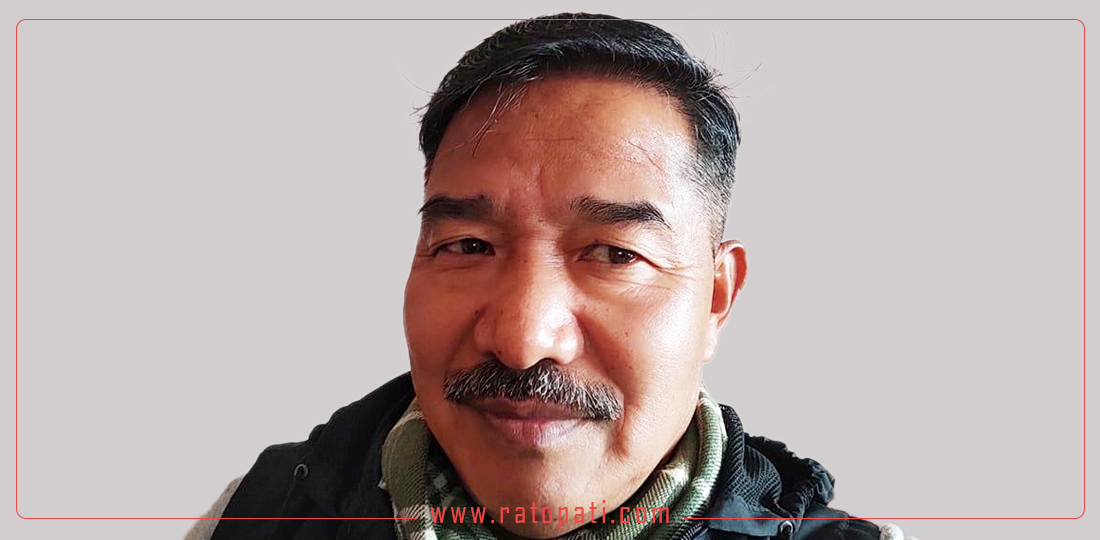
Lokendra Bista 'Abhyas'
Lokendra Bista served as the Tourism Minister after the peace process. A staunch critic of Prachanda, he was a Central Committee member during the war. Born in Rukum in 2021 BS (1964/1965 AD), Bista retired from politics and spent some time farming 'Dragon Fruit' in Dang. Before that, he also cultivated Marsi rice in Kavre for some time. He has now quit 'Dragon Fruit' farming and is inactive.
Yan Prasad Gautam 'Alok'
Yan Prasad Gautam 'Alok', known as a sharp orator within the party, was once seen as a competitor to Prachanda. During the war, the party took action against him on charges of sexual misconduct and conspiracy against the party leadership.
He was killed in an army operation in Uwa, Rolpa, in 2059 BS (2002 AD). In the Maoist circles, his tendency is still referred to as the 'Alok tendency'. He was born in Kavre in Baisakh 2017 BS (April/May 1960 AD).
Phanindra Acharya 'Anal'
Although he was in the Maoist Central Committee when the People's War began, Phanindra Acharya did not participate in the war. Throughout the People's War, he was active in business and social activities in Chitwan, and became active in party activities after the peace process. He is currently not in an active role in the party.
This specific news has been automatically translated by AI. As a result, there may be some inaccuracies or language errors.